Dog Grooming Tips for Beginners: How to Groom Your Dog at Home
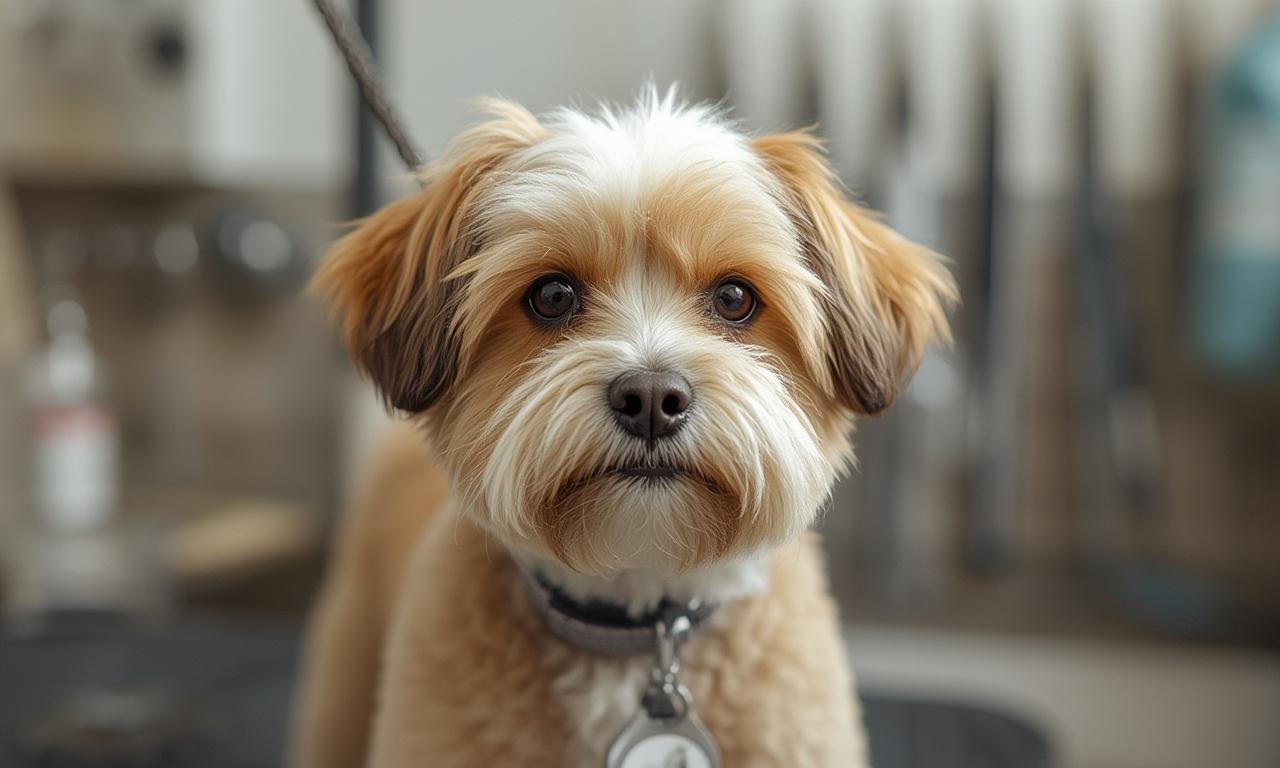
Grooming isn’t just about looks. Regular brushing, nail trims and ear checks keep your dog comfortable and help you spot skin problems, lumps or parasites early. These dog grooming tips for beginners will help you groom your dog at home with confidence, even if you’ve never done it before.

Basic grooming tools
- Brush suited to the coat: slicker brush for long or curly coats, bristle brush or rubber mitt for short coats, undercoat rake for double coats.
- Metal comb to find hidden tangles.
- Nail clippers or a grinder, plus styptic powder in case you cut too short.
- Dog shampoo (never human shampoo).
- Ear cleaner recommended by your vet and cotton pads.
- Dog toothbrush and toothpaste.
- Treats to make every session positive.
Step 1: Brushing
Brush in the direction of hair growth, working in small sections. Short coats need a weekly brush; long, curly and double coats may need brushing every day or two. Use the comb afterward to check for knots behind the ears, under the legs and around the collar. Never bathe a matted dog, because water tightens mats.
Step 2: Bathing
Most dogs need a bath every four to eight weeks, depending on coat and lifestyle. Our detailed guide explains how often you should bathe a dog. Use lukewarm water, rinse very well and dry thoroughly.
Step 3: Nail trimming
- Hold the paw gently and press the pad to extend the nail.
- Cut small slivers from the tip, at a slight angle.
- On light nails, stop before the pink “quick”. On dark nails, stop when you see a dark dot in the center of the cut surface.
- Reward after every nail or two.
If you hear clicking on the floor, nails are too long. Most dogs need a trim every three to four weeks.

Step 4: Ear care
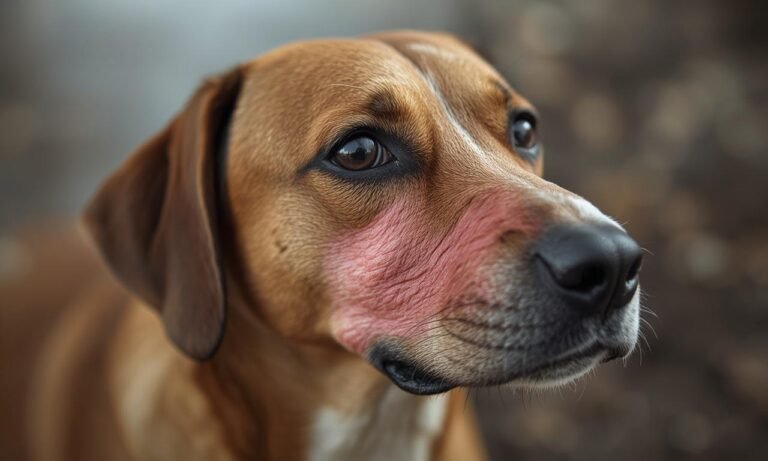
Check ears weekly. Healthy ears are pale pink with little smell. To clean, fill the ear canal with a vet-approved cleaner, massage the base, let your dog shake, then wipe the outer ear. Don’t push cotton swabs into the canal. Redness, a bad smell or head shaking means a vet visit.
Step 5: Teeth
Brushing a few times a week with dog toothpaste helps prevent tartar and bad breath. Start slowly by letting your dog lick the paste first.
Step 6: Eyes and paws
- Wipe tear stains with a damp, soft cloth.
- Trim hair between paw pads to prevent slipping and debris build-up.
- Check pads for cracks, cuts or burrs after walks.
Make grooming stress-free
- Keep sessions short, especially at first.
- Groom when your dog is tired after a walk.
- Use lots of treats. Small, healthy ones work best. See our healthy training treats.
- Start handling puppies early as part of socialization.
When to see a professional groomer
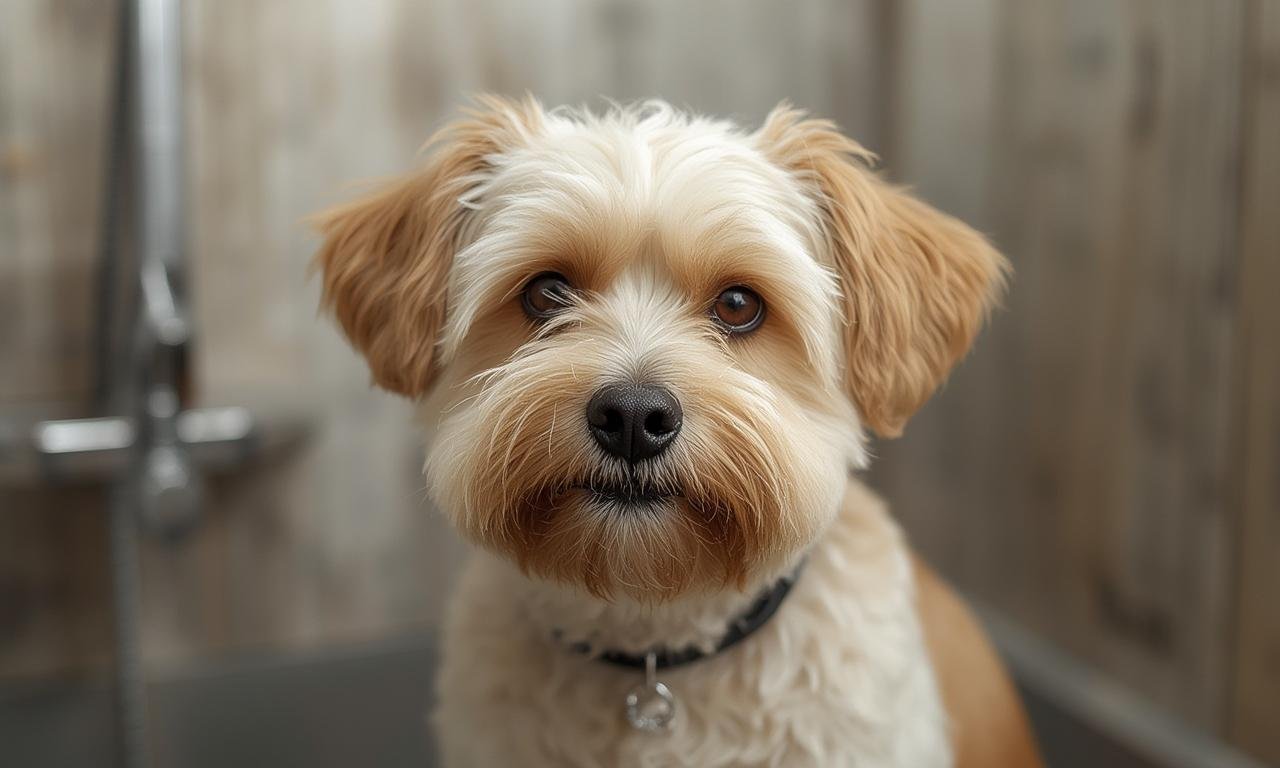
Breeds with continuously growing coats, like Poodles and Shih Tzus, usually need professional cuts every four to eight weeks. Also see a pro for severe matting or if your dog is very anxious. If you notice redness, flaking or hair loss while grooming, read about dog skin problems and talk to your vet. The American Kennel Club has breed-specific grooming standards.
Frequently asked questions
How often should I groom my dog?
Brush weekly at minimum, check ears weekly, trim nails monthly and bathe every one to two months, adjusting for coat type.
Can I use human clippers on my dog?
It’s best not to. Dog clippers are designed for thicker coats and run cooler on the skin.
What if I cut the quick?
Apply styptic powder or cornstarch with gentle pressure. The bleeding usually stops in a few minutes.