Best Litter Box for Large Cats: Size Guide and Extra Large Options
Quick answer: The best litter box for large cats is one that is at least 1.5 times your cat’s body length (nose to base of tail), with enough height for them to turn and squat comfortably. For big cats like Maine Coons, an extra large open box, a high-sided box, or a large storage tote with an entry cut into one side usually works better than most standard or covered boxes.
Most litter boxes sold in stores are too small, especially for large cats. A cramped box is one of the most common reasons cats pee or poop next to the box instead of in it. If you share your home with a Maine Coon, Ragdoll, Norwegian Forest Cat or simply a big-bodied cat, choosing the right size and style can prevent a lot of cleanup.
This guide explains how to measure your cat, compares the main litter box types, and covers setup rules that work for cats of any size.
How big should a litter box be?
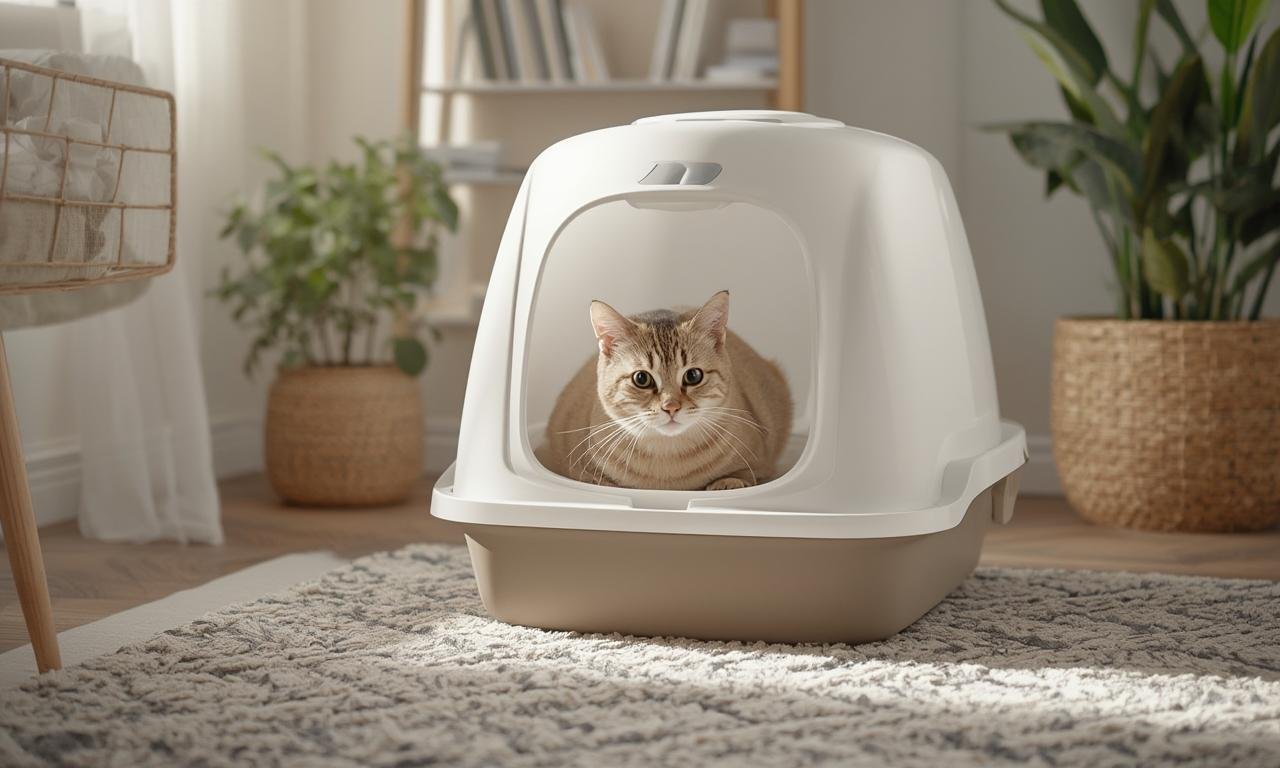
Cat behavior experts commonly recommend a box that is at least 1.5 times the length of your cat, measured from nose to the base of the tail. Some recommend the box be as long as your cat including the tail. Larger is almost always better.
| Cat body length (nose to tail base) | Minimum box length | Typical example |
|---|---|---|
| 14 in (36 cm) | 21 in (53 cm) | Small adult cat |
| 18 in (46 cm) | 27 in (69 cm) | Average adult cat |
| 22 in (56 cm) | 33 in (84 cm) | Large cat, e.g. Ragdoll |
| 26 in (66 cm) | 39 in (99 cm) | Very large cat, e.g. Maine Coon |
Many “jumbo” boxes on the market are only 22 to 24 inches long, which is fine for average cats but tight for large breeds. That is why many owners of big cats use a large under-bed storage tote or a dog litter pan instead.
5 types of litter boxes compared
| Type | Pros | Cons | Good for large cats? |
|---|---|---|---|
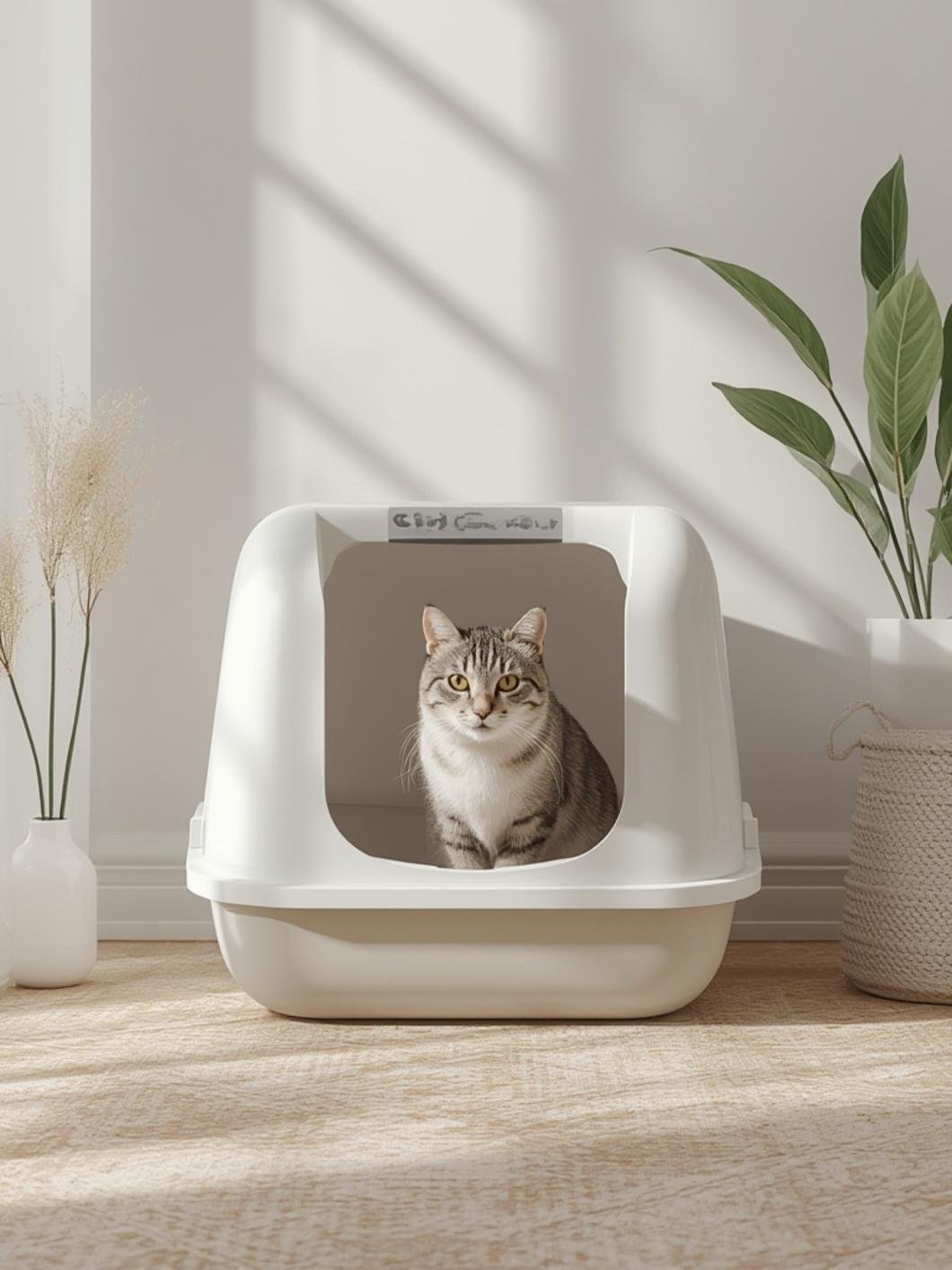
| Extra large open box | Roomy, easy to clean, most cats accept it | Litter scatter, odor is visible | Yes, usually the best choice |
| High-sided box | Stops kicked litter and high peeing | Can be hard for seniors to step into | Yes, if there is a low entry |
| Covered (hooded) box | Hides mess, reduces scatter | Traps odor, often too short inside | Often too cramped |
| Top-entry box | Keeps dogs out, less tracking | Requires jumping; hard for big or older cats | Rarely |
| Self-cleaning (automatic) box | Less daily scooping | Expensive, noisy, often small waste area | Only large-cat models, check weight limits |
The best litter box options for large cats
1. Extra large open box
A simple, very large open box is the most reliable choice for big cats. It gives them room to turn around, dig and squat without hitting the sides. Look for a box at least 24 inches long, ideally more, with smooth plastic that does not hold odor.
2. High-sided box with a low entry
If your cat kicks litter everywhere or pees high against the wall, a box with tall sides and a cut-down entry is a good fit. Make sure the entry is low enough for older cats with stiff joints.
3. DIY storage tote box
A large plastic storage bin, often 30 to 40 inches long, is one of the most popular solutions among owners of big cats. Cut a smooth U-shaped entrance on one long side, sand the edges, and you have a roomy, high-sided box that costs less than many branded options.
4. Automatic litter boxes for large cats
Self-cleaning boxes can save time, but many have a small usable area and minimum or maximum cat weight limits. If you choose one, check the interior dimensions, the weight range, and whether it is quiet enough for your cat. Keep a regular box available while your cat gets used to it. Automatic boxes also make it harder to notice changes in urine or stool, which can be early signs of illness.
Litter box setup rules that work
- Number of boxes: one per cat, plus one extra.
- Location: quiet, easy to reach, away from food and water, and not in a dead-end where a cat can be cornered.
- Spread them out: in multi-level homes, put a box on each floor.
- Litter: most cats prefer unscented, fine-grained clumping litter about 2 to 3 inches deep.
- Cleaning: scoop at least once a day and wash the box with mild soap and water every few weeks.
- Avoid liners and strong scents, which many cats dislike.
When your cat stops using the box
If your cat starts going outside the box, think of it as a message, not bad behavior. Common causes include a box that is too small or dirty, a stressful change at home, conflict with another cat, or a medical problem such as a urinary tract infection, bladder inflammation, kidney disease, diabetes or arthritis. A male cat straining to pee with little or no urine is an emergency, because it can be a urinary blockage.
Read our detailed guide to why cats pee outside the litter box for a step-by-step plan.
Bringing home a new litter box
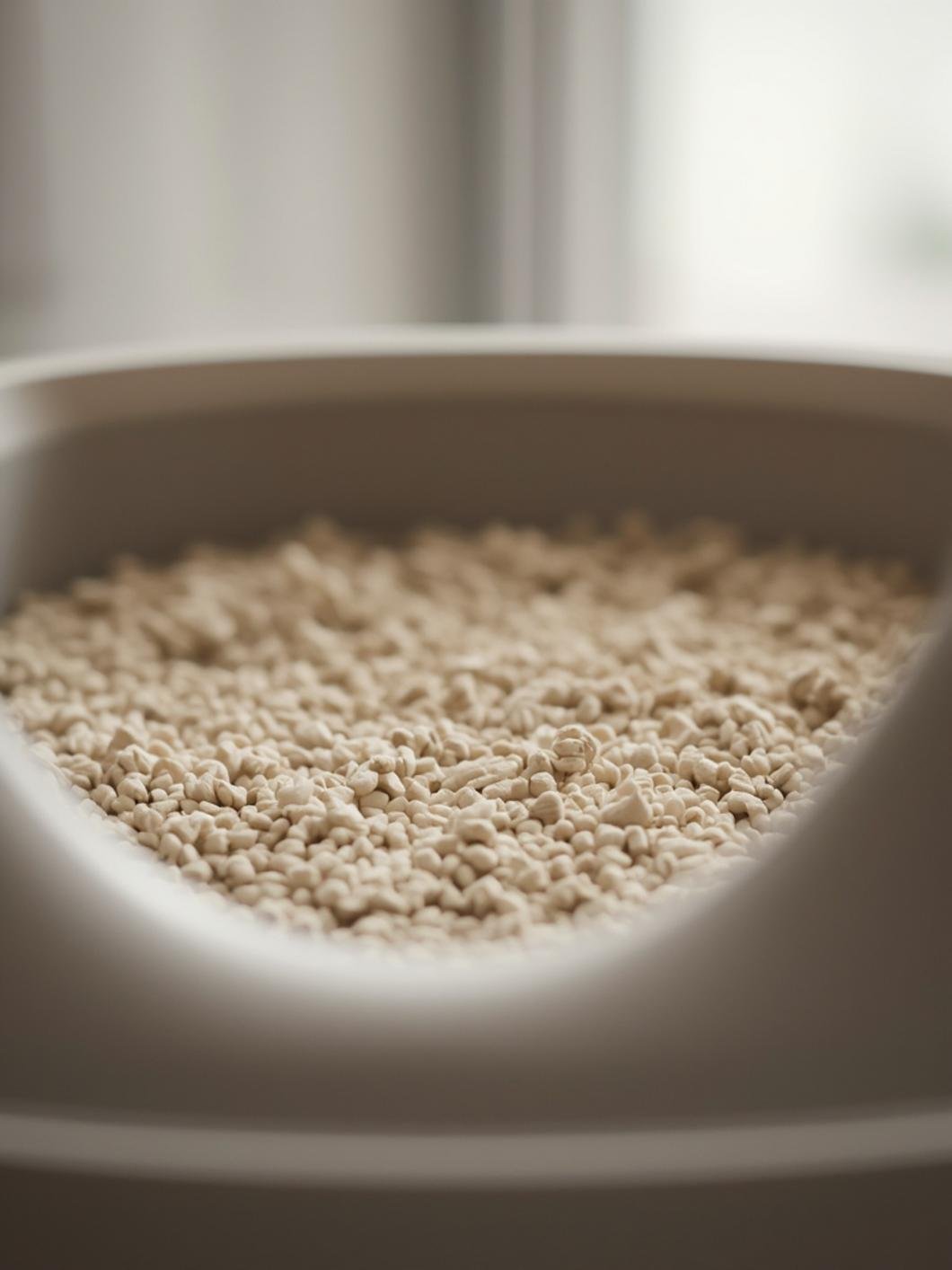
Set up the new box next to the old one rather than replacing it right away. Use the same litter your cat already likes, and add a scoop of used litter so it smells familiar. Once your cat uses the new box reliably, you can remove the old one. For more on choosing a family cat, see the best cat breeds for families.
Frequently asked questions
What size litter box does a Maine Coon need?
Many Maine Coons need a box around 30 to 40 inches long. Large storage totes or dog litter pans often fit them better than standard cat boxes.
Do large cats prefer covered or uncovered litter boxes?
Studies suggest most cats do not have a strong preference, but covered boxes are often too small inside for large cats and can trap odor. An extra large open box is usually the safer choice.
How many litter boxes do I need for two cats?
Three: one for each cat plus one extra, placed in different locations.
How often should I change cat litter completely?
For clumping litter, scoop daily and replace all the litter every 2 to 4 weeks. Non-clumping litter usually needs a full change at least weekly.
Are self-cleaning litter boxes good for big cats?
Some are, but many have small interiors or weight limits. Check the dimensions and supported weight before buying.