Cat Peeing Outside the Litter Box? 9 Common Causes and Simple Fixes That Really Work
Quick answer: A cat peeing outside the litter box usually has a medical problem (urinary infection, bladder inflammation, crystals, kidney disease, diabetes or arthritis) or a litter box issue (dirty, too small, wrong litter or bad location), or is stressed. See a vet first. A male cat straining with little or no urine is an emergency.
Few things test the bond between a person and their cat like stepping into a damp patch of carpet at 6 a.m. If your cat has started peeing outside the litter box, you’re probably frustrated, confused, and maybe a little worried. That’s completely normal.
Here’s the important part: cats don’t pee on your bed to get back at you. Something is wrong, either with their health, their litter box setup, or how they feel in their home. The good news is that most cases have a clear cause and a fix. Let’s find yours.
Step One: Rule Out a Medical Problem
Before you change anything about the litter box, call your vet. A lot of litter box problems start with a health issue, and some are emergencies.
Go to a vet or emergency clinic right away if your cat, especially a male cat:
- Strains in the litter box but produces little or no urine
- Goes in and out of the box repeatedly
- Cries while trying to pee
- Seems lethargic, hides, vomits or has a painful belly
Male cats can develop a urinary blockage, which can become life-threatening within hours to a day or two. Don’t wait to see if it passes.
Other medical causes your vet may look for include:
- Feline idiopathic cystitis (FIC): painful bladder inflammation, often linked to stress
- Bladder stones or crystals
- Urinary tract infection, more common in older cats
- Kidney disease, diabetes or hyperthyroidism, which make cats drink and pee more
- Arthritis, which makes climbing into a high-sided litter box painful
- Cognitive changes in senior cats
A cat who associates the litter box with pain may start avoiding it, even after the medical problem is treated. That’s why fixing the setup matters too.
Marking or Peeing? Know the Difference
Before fixing anything, notice where and how your cat is going. It tells you a lot.
- Urine marking (spraying) is usually a small amount on vertical surfaces: walls, doors, curtains, furniture legs. The cat backs up, raises the tail, and sprays. It’s a communication behavior, often tied to stress, territory, or other cats.
- Inappropriate urination is usually a larger puddle on horizontal surfaces: rugs, beds, laundry, bath mats. It often means your cat doesn’t want to use the litter box for some reason.
Both are fixable, but the approach is a little different. Spaying or neutering greatly reduces marking in many cats, so if your cat isn’t fixed yet, talk to your vet.
9 Common Reasons Cats Avoid the Litter Box
1. The litter box isn’t clean enough
Cats have a much stronger sense of smell than we do. A box that seems “fine” to you may be off-putting to your cat. Scoop at least once a day, ideally twice, and fully empty and wash the litter box regularly with mild unscented soap and water.
2. Not enough boxes
A common guideline is one litter box per cat, plus one extra. So two cats means three boxes. In multi-cat homes, one cat may “guard” a box, or a timid cat may avoid using a box another cat just used.
3. The box is too small
Many commercial boxes are too small for adult cats, especially large breeds. A good rule is a litter box about one and a half times your cat’s length, nose to base of tail. Large storage bins with a cut-out entrance work brilliantly and are inexpensive.
4. Covered boxes and liners
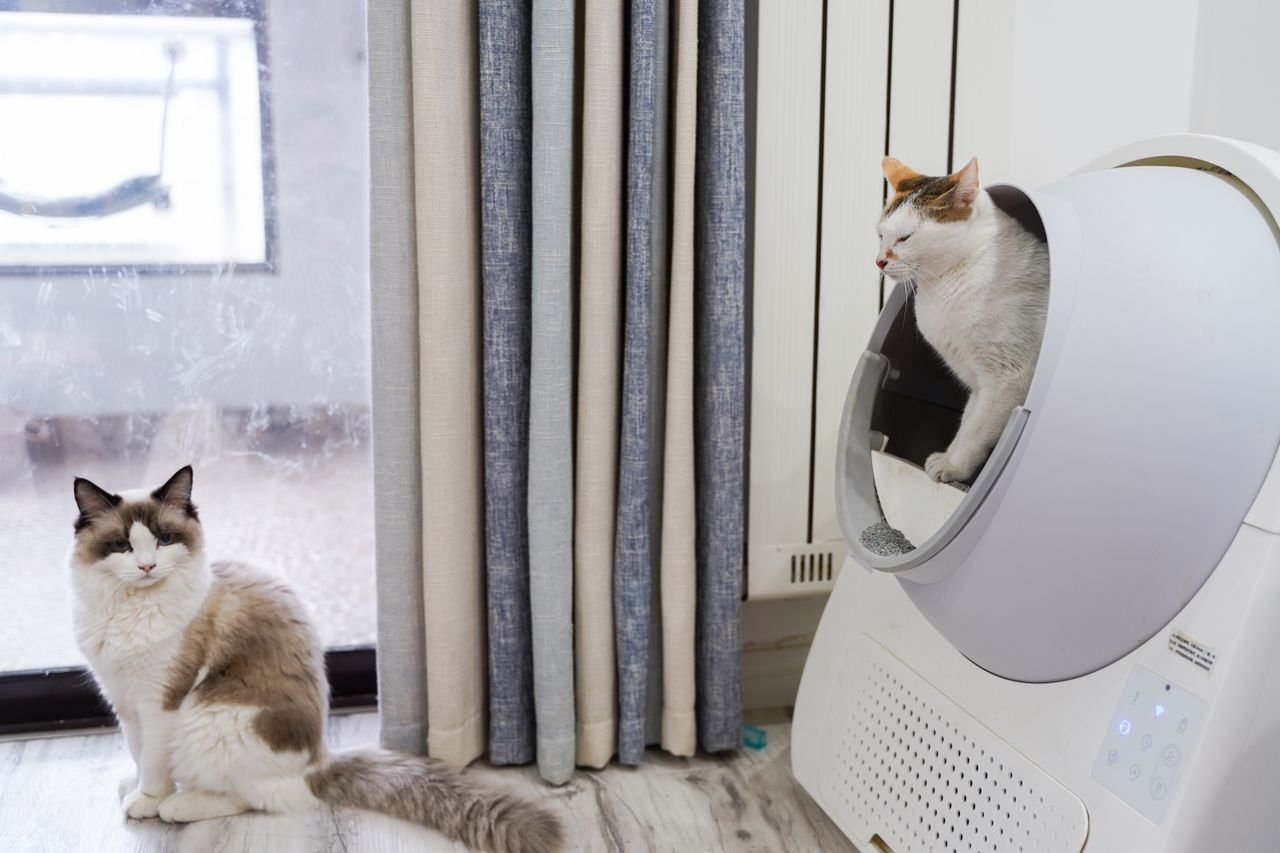
Covered boxes keep odor in, which is nice for us but not always for cats. Some cats also feel trapped inside with no escape route. Liners can catch claws and annoy some cats. If your cat has stopped using a covered litter box, try removing the lid.
5. The litter itself
Most cats prefer unscented, fine-grained clumping litter. Scented litter, crystals or pellets can turn some cats off. If you recently switched brands, that might be the whole story. Offer a second litter box with the old litter side by side and see which your cat picks.
6. A bad location
A box next to a noisy washing machine, in a busy hallway, or right beside the food bowl is a tough sell. Cats want a quiet, easy-to-reach spot with a clear view and a way out. In multi-level homes, put a litter box on each floor.
7. Hard-to-reach or uncomfortable boxes
Older cats, kittens, and cats with arthritis may struggle with high sides or stairs. A low-entry litter box on the main living floor can solve the problem overnight.
8. Stress and changes at home
Moving house, new furniture, a new baby, a new pet, visitors, renovations, or even a stray cat outside the window can unsettle cats. Stress can show up as peeing outside the litter box or urine marking.
9. Conflict with other cats
Cats can bully each other in subtle ways: staring, blocking doorways, or ambushing near the litter box. A cat who feels unsafe may simply go somewhere else. Watch for these quiet power plays.
Setting Up the Ideal Litter Box
If you’re not sure where to start, set up one “perfect” litter box as a test:
- Large and uncovered, at least one and a half times your cat’s length
- Low entry for seniors and kittens
- Unscented clumping litter, about 2 to 3 inches deep
- Quiet location away from food, water and loud appliances
- Two exits in view so your cat doesn’t feel cornered
- Scooped daily, with the whole box washed regularly
Many cats immediately use a well-set-up box. If yours does, you’ve found the problem.
A Litter Box Cleaning Routine That Works
Most people know they should scoop, but it helps to have a clear routine:
- Daily: scoop clumps and solids at least once, ideally morning and evening. Top up litter so it stays about 2 to 3 inches deep.
- Weekly: check the box for scratches, stains and lingering smells. Wipe the outside and the floor around it.
- Every 2 to 4 weeks: empty the box completely, wash it with warm water and mild unscented soap, dry it fully, and refill with fresh litter. Clumping litter can stretch a little longer if you scoop diligently.
- Once or twice a year: replace plastic boxes. Scratches trap odor that cleaning can’t reach.
Avoid strong disinfectants, bleach or citrus-scented cleaners inside the box. To your cat, a box that smells like chemicals can be almost as off-putting as a dirty one.
Choosing a Litter Your Cat Will Actually Use
Walk down any pet store aisle and you’ll find clay, silica crystals, pine, wheat, corn, walnut shells and paper pellets. Each has fans, but cats tend to prefer litter that feels like soft, fine sand, probably because that’s what their wild ancestors dug in.
If you want to try something new, don’t switch overnight. Offer the new litter in a separate box next to the old one, or mix it in gradually over a couple of weeks. Let your cat vote with their paws. If they keep choosing the old litter, that’s your answer, even if the new one looks better on the label.
Dust can also be a factor. Very dusty litters can bother some cats (and people) with sensitive airways, so a low-dust option may be worth trying if your cat sneezes after using the box.
How to Clean Up Accidents Properly
Cleaning matters more than most people realize. If your cat can still smell urine, they’re likely to go there again.
- Blot up as much as possible with paper towels. Don’t rub.
- Use an enzyme cleaner made for pet urine. Enzymes break down the odor compounds that regular cleaners leave behind.
- Avoid ammonia-based cleaners. Urine contains ammonia, so these can actually attract cats back to the spot.
- Let the area dry fully, then cover it temporarily with foil, a plastic runner or furniture to discourage repeat visits.
- Wash fabrics on a hot cycle with an enzyme laundry booster if the label allows.
A UV flashlight can help you find old spots you didn’t know about.
Reducing Stress for a Happier Cat
Stress is a huge factor in litter box problems, especially in cats with FIC. These changes help:
- More resources: extra litter boxes, food bowls, water bowls, scratching posts and beds in different spots, so cats don’t have to compete.
- Vertical space: cat trees and shelves give cats safe places to watch the room.
- Hiding spots: boxes, covered beds and quiet rooms.
- Daily play: two short sessions with a wand toy mimic hunting and burn off stress.
- Predictable routines: regular feeding and play times.
- Block views of outdoor cats with window film if a neighbor’s cat is causing tension.
Some owners also use synthetic feline pheromone diffusers. Results vary, but they’re low-risk to try alongside other changes. For more ideas on keeping indoor cats content, the American Association of Feline Practitioners’ Cat Friendly site has great owner resources.
Multi-Cat Homes: Extra Tips
When several cats share a home, litter box problems often come down to social tension. Try these:
- Spread litter boxes around the home rather than lining them up in one room. Three boxes side by side count as one big box to a cat.
- Provide separate feeding stations.
- Watch for the cat who seems to get “blocked” in hallways or chased away from resources.
- If tension is serious, separate the cats and reintroduce them slowly, the same way you would with a new cat.
If you’re thinking about adding another cat, our guide to the best cat breeds for families covers temperaments that tend to get along well.
What Not to Do
- Don’t punish your cat. Yelling, spraying water or rubbing their nose in it only increases fear and makes things worse.
- Don’t move the litter box suddenly to a new location your cat doesn’t know. If you need to move it, add a second box in the new spot first.
- Don’t switch everything at once. Change one thing at a time so you know what helped.
- Don’t assume it’s behavioral without a vet check.
Senior Cats and the Litter Box
Older cats often develop arthritis, kidney disease or cognitive changes, all of which can affect litter box habits. Signs of arthritis in cats are subtle: less jumping, stiffness after naps, or going right next to the box instead of in it. A low-entry litter box, extra boxes on every floor, soft litter, and night lights can make a big difference. Senior cats also benefit from regular vet checkups, including blood and urine tests.
If your senior cat is also vomiting more often, our guide to a cat throwing up explains when to worry.
Kittens and New Cats
Most kittens learn to use a litter box quickly, often by watching their mother. If a kitten or newly adopted cat has accidents, start small: keep them in one room with a litter box, food, water and a bed for the first days, then gradually expand their territory as they use the box reliably. Use the same type of litter the shelter or breeder used, at least at first.
Gently placing a kitten in the box after meals, naps and play sessions helps too, since those are the times they’re most likely to need to go. Praise quietly, and never scold accidents. Young kittens simply can’t hold it for long, and a box that’s far away or behind a closed door may be out of reach when nature calls.
Be a Detective: Keep a Simple Diary
When you’re cleaning up the third accident of the week, it’s easy to lose track of the details. A quick note on your phone each time helps you and your vet spot patterns. Write down:
- The date and approximate time
- Where it happened, and whether it was a puddle or a spray on a wall
- Roughly how much urine there was
- Anything unusual that day: visitors, a new litter, a fight between cats, a trip to the groomer
- Whether you saw any straining, crying or blood
After a week or two, patterns often appear. Maybe accidents only happen on the days the cleaner comes, or always in the same corner of the guest room, or only when a neighbor’s cat shows up at the window. Those clues point you straight to the fix.
Real-Life Style Example
Here’s a made-up example that shows how the pieces fit together. Mia is a five-year-old cat who suddenly starts peeing on the bath mat. Her owner books a vet visit, and the urine test is normal. Looking back at her notes, she realizes the accidents began the same week she switched to a cheaper scented litter and moved the box from the bathroom to the laundry room next to the dryer.
She sets up a second box back in the bathroom with Mia’s old unscented litter, cleans the bath mat area with an enzyme cleaner, and puts a rubber runner over the spot for a few weeks. Within days, Mia is using the bathroom box again. Simple fixes often work, but only once you’ve worked out what changed.
A Simple Plan to Follow
- Book a vet visit and get a urine test.
- Clean all accident spots with an enzyme cleaner.
- Add at least one extra litter box (one per cat, plus one).
- Upgrade to a large, uncovered box with unscented clumping litter.
- Move boxes to quiet, easy-to-reach spots.
- Scoop daily and wash boxes regularly.
- Add play, vertical space and hiding spots to reduce stress.
- Track progress for a few weeks before making the next change.
Will Pet Insurance Help?
If the cause is medical, pet insurance may help with the cost of exams, urine tests, imaging and treatment, depending on your policy. Urinary problems are common in cats and can come back, so be aware that issues noted in your cat’s records before coverage starts may be treated as pre-existing. Our guide to pre-existing conditions explains how that works, and you can read our honest take on whether pet insurance is worth it.
Quick Answers About Litter Box Problems
Why does my cat pee right next to the litter box?
Often it’s the box itself: too small, too dirty, too high to climb into, or the litter feels wrong. Pain from arthritis or a urinary problem is another common reason.
Why is my cat peeing on my bed?
Beds are soft, absorbent and smell like you, which can feel comforting to a stressed cat. It can also signal a medical issue. Start with a vet visit, then look at stress and litter box setup.
How long does it take to fix?
If the cause is a dirty or poorly placed litter box, you may see improvement in days. Medical and stress-related cases can take weeks. Be patient and consistent.
Should I rehome my cat?
Most litter box problems can be solved with time, a vet’s help and some changes at home. If you’re struggling, ask your vet about a referral to a veterinary behaviorist before making a big decision.
The Bottom Line
A cat peeing outside the litter box isn’t being spiteful. They’re telling you something. Start with your vet, then make the litter box as appealing as possible: clean, large, uncovered, in a quiet spot, with plenty of boxes to go around. Reduce stress, clean accidents properly, and change one thing at a time. With a little detective work, most cats go back to good habits. And once they do, keep the routine going: a clean box, a calm home and regular vet checks are the best way to make sure the problem doesn’t come back. Your carpets, and your cat, will thank you for it. If anything changes again, especially straining, blood in the urine, or a cat who seems unwell, treat it as a fresh medical question first and call your vet before assuming it’s behavioral. For more feline health information, the Cornell Feline Health Center is a trusted resource.