
Dog Separation Anxiety: 9 Proven Ways to Help Your Pup Feel Calm and Safe Alone
Quick answer: Dog separation anxiety is panic when a dog is left alone, causing howling, destruction, house soiling or escape attempts. Treat it with very gradual alone-time training kept below the panic point, calm departures, enrichment and never leaving the dog alone long enough to panic. Severe cases often need a vet and anti-anxiety medication.
You come home to a chewed-up door frame, a soaked crate, and a neighbor’s note about “constant howling.” Meanwhile your dog greets you like you’ve been gone for a year. If that sounds familiar, you’re not alone, and your dog isn’t being spiteful.
Dogs with separation anxiety aren’t misbehaving. They’re genuinely panicking when they’re left, a bit like a person having a panic attack. The good news? It can usually get much better with patience, a smart plan and, sometimes, help from your vet. Let’s go through what’s really happening and what actually works.
What Is Separation Anxiety in Dogs?
Separation anxiety is a stress response that happens when a dog is left alone, or separated from the person they’re most attached to. It usually kicks in before you leave or within the first 30 minutes after you’re gone. Some dogs are fine with any human around; others fall apart only when one specific person leaves.
It’s different from a dog who’s simply bored or under-exercised. A bored dog might chew a shoe because it’s there. A dog with separation anxiety chews the door because they’re desperate to get to you.
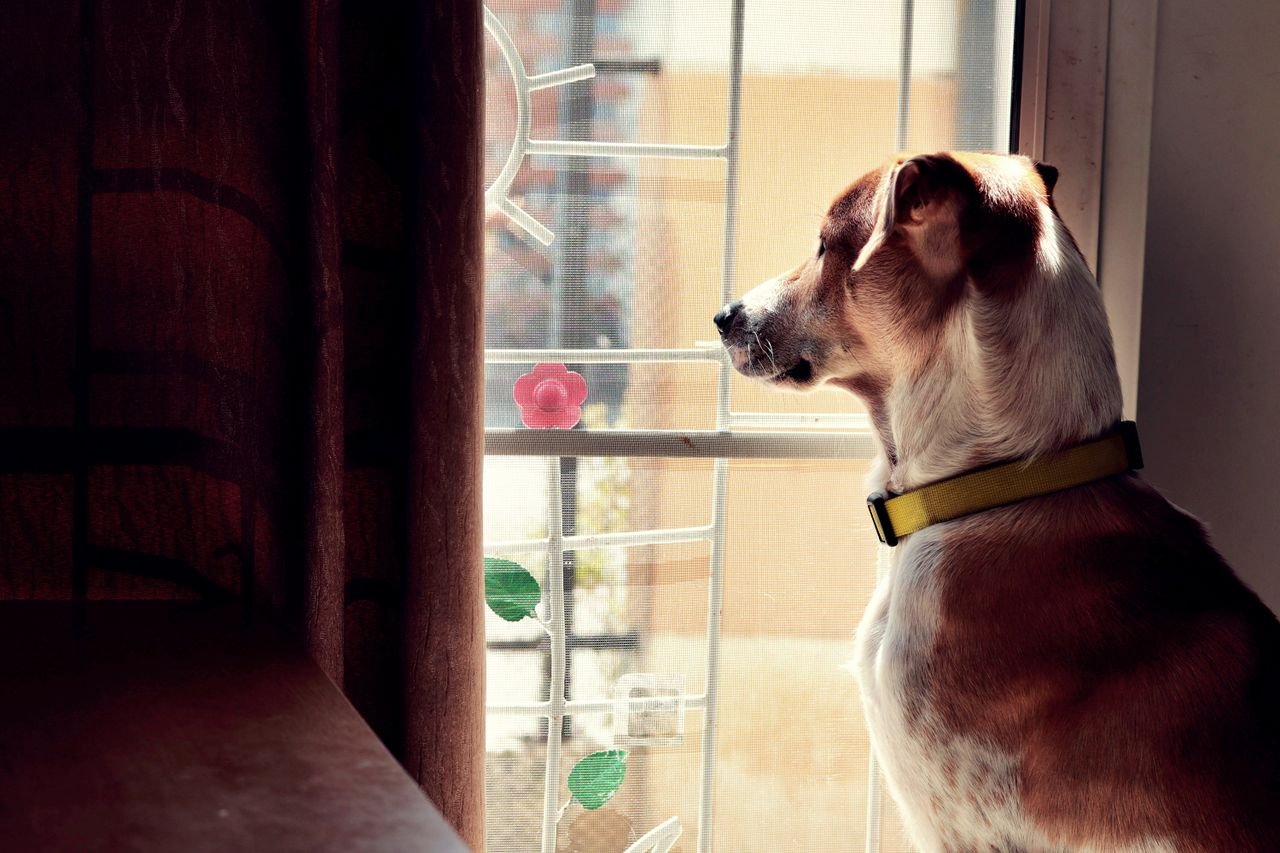
Common Signs of Separation Anxiety
Look for patterns that happen mostly or only when your dog is alone:
- Destruction near exits: scratching or chewing doors, door frames, window sills or crate bars.
- Howling, barking or whining that starts soon after you leave and goes on and on.
- Peeing or pooping indoors in a dog who’s otherwise house trained.
- Pacing, panting or drooling, sometimes leaving wet patches on the floor.
- Escape attempts, which can lead to broken teeth, torn nails or worse.
- Pre-departure stress: trembling, hiding or following you around when you pick up your keys or put on shoes.
- Over-the-top greetings when you come back.
A cheap pet camera is one of the best tools here. Watching what your dog actually does in the first 30 minutes alone tells you far more than guessing from the damage.
Separation Anxiety or Something Else?
Several other problems can look a lot like separation anxiety, and the fix is different for each. Rule these out first:
- Boredom or too little exercise. Young, energetic dogs often get into trouble because they have energy to burn. Destruction is usually random rather than focused on exits, and the dog seems relaxed on camera.
- Incomplete house training. Accidents happen when you’re home too. Our puppy potty training guide can help.
- Medical problems. Urinary infections, gut issues, pain or cognitive changes in older dogs can all cause accidents, restlessness or vocalizing. A vet check is always step one.
- Noise fears. Thunderstorms, fireworks or construction while you’re out can trigger panic that looks similar.
- Barking at triggers. Some dogs bark at people walking by, not because you’re gone. Our guide on how to stop dog barking covers that.
What Causes Separation Anxiety?
Nobody knows exactly why some dogs develop separation anxiety and others don’t, but common triggers include:
- A big change in routine, like going back to the office after working from home
- Moving house
- A new owner, especially for shelter or rehomed dogs
- Losing a family member or another pet
- Rarely or never being left alone as a puppy
- A frightening event while alone, such as a storm or break-in
Genetics and early life experiences likely play a part too. The point isn’t to blame anyone; it’s to understand that your dog is reacting to something real.
9 Proven Ways to Help a Dog With Separation Anxiety
1. Start with a vet visit
Before anything else, have your vet check for medical causes. If your dog does have separation anxiety, your vet can also talk with you about whether anti-anxiety medication might help. Some medications are specifically approved for dogs with separation anxiety, and for many dogs they make training far more effective. That’s a medical decision for your vet, not something to try on your own.
2. Stop the panic while you train
This is the part people miss. Every time your dog is left alone long enough to panic, it can reinforce the fear. While you work on the problem, try to avoid leaving your dog alone longer than they can handle. Options include:
- A trusted friend, family member or dog sitter
- Doggy daycare, if your dog enjoys it
- Taking your dog to work, if allowed
- Arranging errands around your dog’s tolerance
It’s a big ask, we know. But it’s temporary, and it makes everything else work faster.
3. Practice very short, calm absences
The core of treating separation anxiety is gradual desensitization: teaching your dog, a few seconds at a time, that being alone is safe. Step outside the door for a few seconds and come back before your dog shows stress. Over days and weeks, slowly increase the time.
Watch your dog on camera. If they start pacing, whining or panting heavily, the step was too big. Go back to a shorter time. Progress isn’t always a straight line, and that’s fine.
4. Take the drama out of departure cues
Many dogs start to worry as soon as you grab your keys, put on your coat or pick up your bag. Practice those cues without leaving: pick up keys, then sit on the couch. Put on shoes, then make coffee. Over time, those actions stop predicting your departure, and the pre-departure stress fades.
5. Keep hellos and goodbyes low-key
Big emotional farewells can ramp up separation anxiety. Calmly leave without a fuss. When you come home, wait until your dog settles a little before giving lots of attention. You’re not being cold; you’re showing that comings and goings are no big deal.
6. Use food toys, but only for mild cases
A stuffed food toy or long-lasting chew can help dogs with mild separation anxiety relax as you leave. Freeze it so it lasts longer. Just know that dogs with severe panic often won’t eat when alone at all. If your dog ignores the toy until you come home, that’s useful information: the anxiety is bigger than a treat can fix.
Our list of healthy dog treats for training has low-calorie fillers that work well in food toys.
7. Build independence when you’re home
Some dogs follow their people from room to room all day. Gently teach your dog to relax on a mat or bed while you move around the house. Reward calm settling. Use baby gates so your dog can see you but not be glued to your side. This helps them feel okay with a little distance before you ever leave the house.
8. Meet their exercise and enrichment needs
Exercise won’t cure separation anxiety on its own, but a dog who’s had a good walk, a sniff session and some brain games is in a better place to cope. Try:
- A morning walk with plenty of sniffing time
- Short training sessions
- Puzzle feeders instead of a plain bowl
- Scent games, like hiding treats around a room
9. Get professional help if it’s moderate or severe
If your dog is hurting themselves, destroying doors, or panicking within minutes, bring in an expert. Look for a veterinary behaviorist, or a certified trainer who uses reward-based methods and has specific experience with separation anxiety. Avoid anyone who suggests punishment, shock collars or “flooding” (leaving the dog to “get over it”). Those approaches tend to make fear worse.
For more guidance on spotting and managing it, the ASPCA’s separation anxiety guide is a helpful, vet-backed resource.
What Doesn’t Help Separation Anxiety
- Punishment. Scolding a dog for chewing or peeing while you were out doesn’t work. They can’t connect it to what happened earlier, and it adds fear.
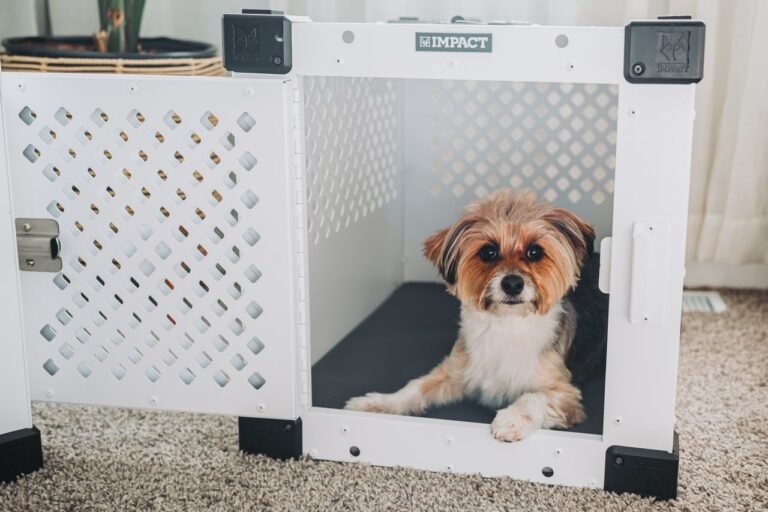
- Locking an anxious dog in a crate. Some dogs feel safer in a crate; others panic more and hurt themselves trying to escape. Watch on camera before deciding. If your dog does enjoy their crate, our guide to crate training a puppy explains how to keep it a positive space.
- Getting another dog as a fix. Sometimes it helps, often it doesn’t, because the anxiety is usually about a specific person, not company in general.
- Leaving the TV or radio on, alone. Background noise may help a little, but it rarely solves real separation anxiety by itself.
A Sample Training Week
Every dog is different, but here’s what an early week might look like for a dog who can currently handle about one minute alone:
- Day 1–2: Several short sessions a day: step out for 10–30 seconds, return calmly. Practice keys and shoes without leaving.
- Day 3–4: Mix in a few 45-second and one-minute absences, with lots of shorter ones in between.
- Day 5–6: Try 90 seconds if your dog stayed relaxed on camera. If not, stay at one minute.
- Day 7: Rest day. Fun walks, games, no alone-time practice.
It feels painfully slow at first. That’s normal. Many dogs speed up once they “get it,” and the early patience pays off.
Setting Up a Calm, Safe Space for Alone Time
Where your dog spends their alone time matters. A good setup won’t fix separation anxiety on its own, but it can lower stress and prevent injuries while you train.
- Pick a room your dog already likes. Often that’s the bedroom or living room, where your scent is strongest. Avoid the laundry room or garage if your dog never hangs out there.
- Remove dangers. Take away cords, small objects and anything your dog could swallow in a panic. Protect door frames if your dog tends to scratch.
- Close the curtains if your dog reacts to people or dogs passing outside.
- Add comfort items: a bed, a worn T-shirt that smells like you, water, and a safe chew.
- Use soft background sound. White noise or calm music can mask sudden noises from the hallway or street.
- Keep the temperature comfortable. A hot or cold room adds stress.
Some dogs feel better with more space, others with less. Your camera footage will tell you which.
A Calm Departure Routine
When you do need to leave, a predictable routine helps. Try something like this:
- Take your dog for a sniffy walk or a short play session 30 to 60 minutes before you go.
- Offer a potty break shortly before leaving.
- Give a frozen food toy or chew in their safe space, if your dog eats when alone.
- Leave quietly, without a long goodbye.
- Check the camera from your phone if you can, so you know how your dog is really doing.
- When you return, stay calm until your dog settles, then say hello.
Keep this routine for real departures, and keep doing your short practice sessions separately. The practice is what changes how your dog feels about being alone; the routine just makes the real absences a little easier.
Track Progress With a Simple Log
Separation anxiety training can feel like it isn’t working, especially on bad days. A simple log shows the bigger picture. After each practice session, jot down:
- How long you were gone
- Your dog’s body language at the start and end (relaxed, pacing, whining, lying down)
- Anything unusual that day, such as a storm, visitors or a vet visit
After two or three weeks, look back. Many owners are surprised to see their dog went from 30 seconds to several minutes, or that bad days line up with busy, stressful days. If you’re working with a vet or trainer, they’ll find your notes very useful, too.
Separation Anxiety in Puppies
Puppies cry when left, and that’s not automatically separation anxiety. They’re babies in a new place. The best prevention is teaching short, happy alone time from the very beginning: a chew in a pen while you’re in the next room, a few minutes in the crate while you shower, and gradual increases from there.
Good socialization also builds confidence. Our guide on how to socialize a puppy covers the early weeks when puppies learn the world is safe.
Separation Anxiety in Rescue and Senior Dogs
Dogs who have been rehomed, especially more than once, are often more prone to separation anxiety. Give a newly adopted dog time to settle before expecting long absences, and start alone-time practice gently in the first days.
Older dogs can develop separation anxiety too, sometimes because of hearing or vision loss, pain, or age-related cognitive changes. If a senior dog suddenly becomes anxious when alone, start with a vet visit.
Going Back to the Office? Plan Ahead
A sudden switch from working at home to long office days is one of the most common triggers for separation anxiety. If you know a change is coming, start preparing your dog weeks in advance:
- Begin short alone-time practice now, even if you’re home all day.
- Gradually shift walk and meal times toward your future schedule.
- Spend part of each day in a different room with the door closed, so your dog gets used to not being right beside you.
- Line up a dog walker or daycare before your first long day back, and do a trial run.
- Consider a gradual return, such as a few half days, if your workplace allows it.
Planning ahead is much easier than trying to fix full-blown separation anxiety after the fact. Even two or three weeks of preparation can make the transition far smoother for both of you.
Is Treatment Covered by Pet Insurance?
Some pet insurance policies cover behavioral consultations or prescribed behavior medication, while others exclude behavioral issues entirely or only offer it as an add-on. If you already have a policy, check the wording for “behavioral” coverage. If you’re shopping, ask before you buy, and remember that problems noted in your dog’s records before coverage starts may be excluded. Our guide on whether pet insurance is worth it explains how to weigh that up.
Quick Answers About Separation Anxiety
How long does it take to fix separation anxiety?
It varies a lot. Mild cases may improve in a few weeks; more severe cases can take several months. Consistency matters more than speed.
Can separation anxiety come back?
Sometimes. Big life changes, like a move or a new schedule, can bring it back. Keep up short practice sessions during transitions.
Are some breeds more prone to separation anxiety?
Very people-focused dogs may be more likely to struggle, but any dog of any breed can develop it. Individual history and personality matter more than breed. If you’re still choosing a dog, our guide to the best dog breeds for families may help you think about energy level and temperament.
Should I get a second dog?
Only if you want a second dog for its own sake. It might help a dog who simply dislikes being alone, but it often doesn’t help a dog attached to one specific person.
You’ve Got This
Living with a dog who has separation anxiety is exhausting, and it’s easy to feel guilty or frustrated. Please go easy on yourself. Your dog isn’t trying to punish you, and you didn’t cause this on purpose. With a vet check, short and steady practice, smart management and the right support, most dogs get calmer. Celebrate every extra minute your dog spends relaxed on their own.
And remember to look after yourself, too. Ask friends or family to help with dog-sitting while you train, take breaks when you need them, and don’t compare your dog’s progress to anyone else’s. Some dogs need weeks, others need months. What matters is that your dog keeps feeling a little safer each time you walk out the door and come back again.

One Comment
Comments are closed.