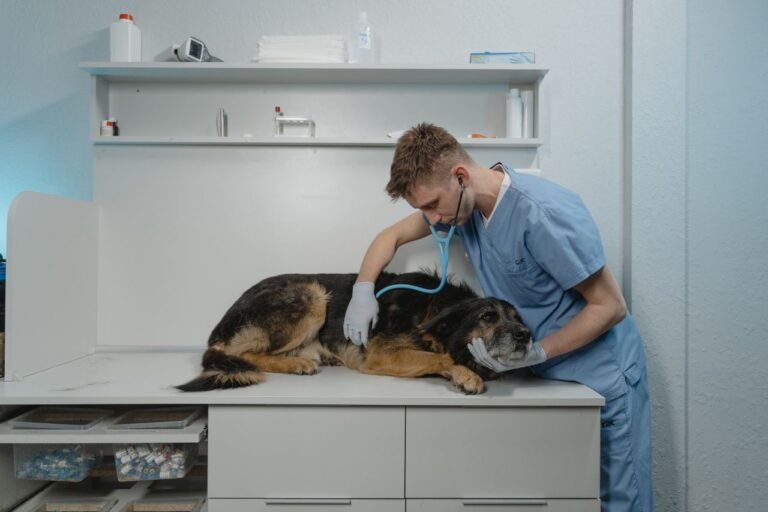
Pet Insurance Cost in 2026: Real Prices and 9 Proven Ways to Save
Quick answer: The average pet insurance cost in the U.S. is about $62 per month for dogs and $32 per month for cats for an accident-and-illness plan, according to the North American Pet Health Insurance Association (NAPHIA). Accident-only plans are much cheaper, at roughly $16 per month for dogs and $9 per month for cats. Your real pet insurance cost depends on your pet’s age, breed, ZIP code, deductible, and reimbursement rate.
If you are shopping for coverage, the price you see on a quote can feel random. It isn’t. Every insurer uses the same handful of factors, and once you understand them, you can control a big part of what you pay. This guide breaks down real numbers, explains what drives the price up or down, and shares nine proven ways to lower your bill without losing the coverage that matters.
Key Takeaways
- Average pet insurance cost (accident + illness): about $62/month for dogs and $32/month for cats in the U.S. (NAPHIA, 2024 data).
- Accident-only plans average about $16/month for dogs and $9/month for cats.
- Age, breed, species, and location are the biggest price drivers you cannot change.
- Deductible, reimbursement rate, and annual limit are the price levers you can change.
- Enrolling while your pet is young and healthy is the single best way to keep lifetime costs low.

Average Pet Insurance Cost per Month (2026 Benchmarks)
The most reliable public benchmark comes from NAPHIA’s State of the Industry report, which collects data from the insurers that cover most insured pets in North America. Here is how the average pet insurance cost breaks down by plan type:
| Plan type | Dogs (avg / month) | Cats (avg / month) | What it covers |
|---|---|---|---|
| Accident only | ~$16 | ~$9 | Injuries such as broken bones, bite wounds, swallowed objects |
| Accident + illness | ~$62 | ~$32 | Injuries plus illnesses like infections, cancer, allergies, diabetes |
| Accident + illness + wellness add-on | ~$75–$100 | ~$45–$65 | Everything above plus routine care such as vaccines and checkups |
Note that these are national averages. A young mixed-breed cat in a low-cost state might pay less than $20 a month, while a senior French Bulldog in New York City could pay well over $100. Use the averages as a starting point, not a final quote.
The U.S. market is still small but growing fast. NAPHIA reports that gross written premiums reached about $5.2 billion in 2025, yet only around 4.3% of U.S. pets are insured. That means most owners are still paying vet bills entirely out of pocket.
Pet Insurance Cost for Dogs vs. Cats
Dogs cost roughly twice as much to insure as cats. There are three main reasons:
- Higher claim frequency. Dogs get into more accidents, eat more things they shouldn’t, and are more prone to joint and orthopedic problems.
- Body size. Larger animals need more anesthesia, more medication, and longer surgeries, which pushes up the cost of every claim.
- Breed-related conditions. Many popular dog breeds carry known genetic risks, such as hip dysplasia, heart disease, or breathing problems.
Cats are not risk-free. Dental disease, kidney disease, urinary blockages, and hyperthyroidism are common and can be expensive to treat. But on average, the pet insurance cost for a cat stays well below that of a dog.
Pet insurance cost for dogs by size
- Small breeds (Chihuahua, Shih Tzu): often at the lower end, though dental claims are common.
- Medium breeds (Beagle, Border Collie): usually close to the national average.
- Large and giant breeds (Labrador, Great Dane, German Shepherd): typically above average because of joint and bloat risks.
- Flat-faced breeds (French Bulldog, English Bulldog, Pug): among the most expensive to insure because of breathing, skin, and spine problems.
7 Factors That Decide Your Pet Insurance Cost
Every insurer prices policies a little differently, but almost all of them use the same core factors.
1. Your pet’s age
Age is the biggest single driver. Premiums usually rise every year as the risk of illness increases. Many insurers also set a maximum enrollment age, often between 10 and 14 years, and some limit older pets to accident-only plans.
2. Species and breed
Breeds with well-documented health problems cost more. If you are still choosing a pet, it is worth reading about breed health before you commit. Our guide to the best dog breeds for families covers temperament and common health issues.
3. Where you live
Veterinary prices vary a lot by region. Owners in large cities and high-cost states such as California and New York usually pay more than owners in rural areas, because local vet bills are higher.
4. Deductible
The deductible is what you pay before the insurer starts reimbursing. A higher deductible (for example $500 or $1,000) lowers your monthly premium. A lower deductible (for example $100 or $250) raises it.
5. Reimbursement rate
This is the percentage of the vet bill the insurer pays after the deductible, usually 70%, 80%, or 90%. Choosing 90% instead of 70% can noticeably raise your pet insurance cost.
6. Annual limit
Some plans cap payouts at $5,000 or $10,000 per year, while others offer unlimited coverage. Unlimited plans cost more but protect you from very large bills, such as cancer treatment or emergency surgery.
7. Add-ons and wellness riders
Wellness plans cover predictable costs like vaccines, flea and tick prevention, and dental cleanings. They add convenience, but they rarely save money on their own. Run the numbers before you add one.

Real-World Pet Insurance Cost Examples
To make the numbers concrete, here are three typical profiles. These are illustrative estimates based on national averages, not quotes from a specific company.
| Pet profile | Plan settings | Estimated monthly cost |
|---|---|---|
| 2-year-old mixed-breed cat, Texas | Accident + illness, $250 deductible, 80% | $20–$30 |
| 3-year-old Labrador, Florida | Accident + illness, $500 deductible, 80% | $45–$65 |
| 8-year-old French Bulldog, California | Accident + illness, $500 deductible, 90% | $110–$180 |
Is the Pet Insurance Cost Worth It?
Think of pet insurance as protection against the bill you could not easily pay. A single emergency, such as a swallowed toy that needs surgery or a cruciate ligament tear, can cost several thousand dollars. If paying $3,000 to $8,000 on short notice would be a serious problem for you, insurance usually makes sense.
On the other hand, if you have a solid emergency fund and a young, healthy pet, you might choose to self-insure. We break down this decision in detail in Is Pet Insurance Worth It?
A simple way to decide
- Write down the largest vet bill you could pay tomorrow without stress.
- Compare it with common emergency costs in your area (ask your vet for typical prices).
- If the gap is large, compare quotes and pick a plan that covers accidents and illnesses.
9 Proven Ways to Lower Your Pet Insurance Cost
You cannot change your pet’s age or breed, but you can still lower your pet insurance cost in several smart ways.
- Enroll early. Young pets have lower premiums and no pre-existing conditions yet. Conditions diagnosed before coverage starts are usually excluded forever.
- Raise your deductible. Moving from $250 to $500 or $750 often makes a noticeable difference in the monthly price.
- Choose 80% reimbursement. It is often the best balance between monthly cost and protection.
- Skip wellness add-ons you won’t use. If you already budget for routine care, a rider may only add cost.
- Ask about multi-pet discounts. Many insurers offer 5% to 10% off for each additional pet.
- Pay annually. Some companies give a small discount or skip monthly transaction fees.
- Compare at least three quotes. Prices for the same pet can vary widely between companies. See our best pet insurance companies comparison.
- Check employer or membership discounts. Some employers, credit unions, and clubs offer pet insurance as a perk.
- Keep your pet healthy. Good food, dental care, and a healthy weight reduce claims over time. Simple habits like those in our puppy care guide pay off for years.
Common Mistakes That Raise Your Pet Insurance Cost
- Waiting until your pet is sick. Once a condition is diagnosed, it becomes pre-existing and is usually not covered.
- Choosing the lowest premium without reading the policy. Low prices can hide low annual limits, long waiting periods, or exclusions for hereditary conditions.
- Ignoring waiting periods. Most plans have a waiting period of a few days for accidents and up to 14 days or more for illnesses.
- Not understanding per-incident vs. annual deductibles. An annual deductible is usually easier to manage.
How to Get an Accurate Pet Insurance Cost Quote
Getting a realistic quote takes about five minutes. Have this information ready:
- Your pet’s exact age, breed (or main breed mix), and sex
- Your ZIP code
- Whether your pet is spayed or neutered
- Any past health problems or vet visits
Then request quotes with the same deductible, reimbursement rate, and annual limit at each company. Comparing like-for-like is the only way to see which insurer truly offers the best value. For general guidance on how pet health insurance works, the American Veterinary Medical Association (AVMA) offers a helpful overview.
Pet Insurance Cost by Age
Because age is the strongest price factor, it helps to see how premiums typically change over a pet’s life. The ranges below are general estimates for an accident-and-illness plan with a $250–$500 deductible and 80% reimbursement. Your own pet insurance cost may sit above or below these ranges.
| Age | Dogs (est. / month) | Cats (est. / month) | What to expect |
|---|---|---|---|
| 8 weeks – 1 year | $30–$50 | $15–$25 | Lowest prices; ideal time to enroll before any condition appears |
| 2 – 4 years | $40–$60 | $20–$30 | Prices rise slowly; accidents are the most common claims |
| 5 – 7 years | $55–$85 | $25–$40 | Chronic issues such as allergies, dental disease and arthritis begin |
| 8 – 10 years | $80–$130 | $35–$60 | Higher premiums; some insurers start limiting new enrollments |
| 11+ years | $120+ | $55+ | New policies may be accident-only or unavailable |
The lesson is simple: a policy started early is easier to keep and usually cheaper over the long run. If you just brought home a new pet, our guide on how to socialize a puppy is a good next read.

Pet Insurance Cost vs. Common Vet Bills
A fair way to judge any premium is to compare it with what treatment actually costs. The figures below are typical U.S. price ranges. Real prices depend on your clinic, your city and how serious the case is.
| Condition or treatment | Typical cost without insurance |
|---|---|
| Emergency visit and X-rays | $300 – $1,000 |
| Swallowed object (foreign body surgery) | $2,000 – $6,000 |
| Cruciate ligament (ACL/CCL) surgery | $3,000 – $7,000 |
| Cancer treatment (chemotherapy) | $5,000 – $10,000+ |
| Dental extractions under anesthesia | $500 – $3,000 |
| Chronic allergies (yearly medication and visits) | $500 – $2,000 per year |
At an average pet insurance cost of about $62 a month, a dog owner pays roughly $750 a year. A single foreign-body surgery can cost several times that amount. This is why many owners see insurance as a budgeting tool: you trade a predictable monthly cost for protection against a large, sudden bill. Skin and allergy problems are among the most frequent claims, which we cover in our guide to dog skin problems.
How Your Deductible Changes Pet Insurance Cost
Here is a simple example of how plan settings can change the monthly price for the same 3-year-old medium-size dog. These numbers are illustrative only.
| Deductible | Reimbursement | Est. monthly premium | Best for |
|---|---|---|---|
| $100 | 90% | $75–$90 | Owners who want the lowest out-of-pocket cost per claim |
| $250 | 80% | $55–$65 | Most owners; balanced price and protection |
| $500 | 80% | $45–$55 | Owners with some savings who want a lower premium |
| $1,000 | 70% | $30–$40 | Owners who mainly want protection against big emergencies |
A good rule: choose the highest deductible you could pay comfortably at any moment. That keeps your pet insurance cost low while still protecting you against the bills that would truly hurt.
Pet Insurance Cost in Canada, the UK and Australia
Pet insurance is priced in local currency and works a little differently in each country, but the same factors apply everywhere.
- Canada: NAPHIA data shows Canadian premiums are generally higher than U.S. premiums, partly because of higher vet costs in some provinces.
- United Kingdom: Pet insurance is far more common than in North America, and lifetime policies that keep covering ongoing conditions are popular.
- Australia: Plans are often sold as accident-only, accident and illness, or comprehensive cover with routine care options.
Wherever you live, compare policies with the same excess (deductible), benefit percentage and annual limit to get a true picture of what you will pay.

Questions to Ask Before You Buy
- Is the deductible annual or per condition?
- Are hereditary and congenital conditions covered?
- Is there an annual limit, and what happens if I reach it?
- How long are the waiting periods for accidents, illnesses and orthopedic problems?
- Will my premium increase as my pet gets older, and by how much on average?
- Are exam fees covered, or only the treatment itself?
- How quickly are claims paid, and can the insurer pay the vet directly?
Clear answers to these questions often matter more than a few dollars of difference in the monthly price.
Frequently Asked Questions About Pet Insurance Cost
What is the average pet insurance cost per month?
In the U.S., the average accident-and-illness premium is about $62 per month for dogs and $32 per month for cats, based on NAPHIA data. Accident-only plans average about $16 for dogs and $9 for cats.
Why does pet insurance cost go up every year?
Premiums rise as your pet ages because older pets have more health problems. Vet care prices also increase over time, and insurers adjust rates to match.
Is pet insurance cost lower for cats than dogs?
Yes. Cats usually cost about half as much to insure as dogs, mainly because their average claims are smaller and less frequent.
Does pet insurance cover pre-existing conditions?
Generally, no. Most policies exclude conditions that showed signs before coverage started. Some insurers may cover “curable” conditions after a symptom-free period. Always read the policy terms.
What is the cheapest type of pet insurance?
Accident-only coverage is the cheapest option. It protects against injuries but does not cover illnesses, which are often the most expensive long-term costs.
Can I change my deductible to lower my pet insurance cost?
Many insurers let you adjust your deductible or reimbursement rate at renewal. Raising the deductible is one of the fastest ways to reduce your monthly payment.
Final Thoughts
The average pet insurance cost is roughly $62 a month for a dog and $32 a month for a cat, but your price can be much lower or higher depending on age, breed, location, and plan settings. Start early, compare at least three quotes with the same settings, and choose a deductible you can comfortably afford. That simple approach gives you real protection without overpaying.
Disclaimer: This article is for general information only and is not financial or veterinary advice. Prices are estimates based on publicly reported industry averages and will vary by insurer, location, and pet. Always read the full policy and talk to your veterinarian about your pet’s specific needs.