Raw Food Diet for Dogs: The Pros and Cons of Feeding Your Dog Raw
Raw feeding has a passionate following. Supporters say a raw food diet for dogs leads to shinier coats and cleaner teeth. Many vets and public health agencies, however, warn about bacteria and nutritional imbalances. Here’s a balanced look so you can make an informed choice with your vet.

What is a raw food diet?
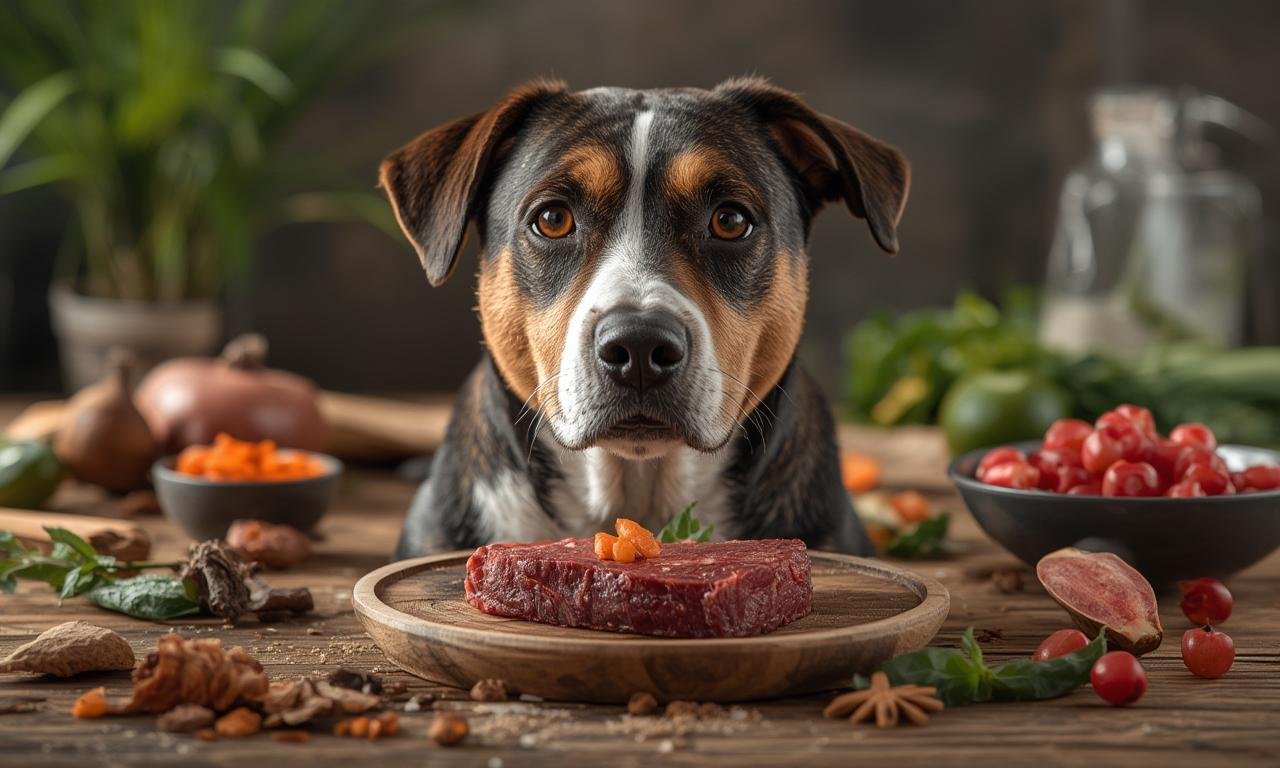
Raw diets typically include uncooked muscle meat, organ meat, raw meaty bones, and sometimes vegetables and supplements. There are two main types:
- Homemade raw: prepared at home from your own recipe.
- Commercial raw: frozen, freeze-dried or high-pressure processed (HPP) products formulated to be complete and balanced.
Claimed benefits
- Shinier coat and healthier skin
- Smaller, firmer stools
- Cleaner teeth from chewing
- Dogs often find it very tasty
Many of these reports come from owners rather than controlled studies. Some benefits, like a better coat, can also come from switching to any high-quality, higher-fat diet.
Risks of raw feeding
Bacteria
Raw meat can carry Salmonella, Listeria and E. coli. Dogs can shed these bacteria even when they look healthy, putting children, older adults and people with weak immune systems at risk. The FDA Center for Veterinary Medicine and the AVMA both advise against feeding raw or undercooked animal protein for this reason.
Nutritional imbalance
Homemade raw diets often have the wrong calcium-to-phosphorus ratio or lack key vitamins and minerals. This is especially dangerous for growing puppies.
Bones
Bones can fracture teeth or cause choking and intestinal blockages.
Raw vs. cooked vs. kibble
| Raw | Lightly cooked fresh | Quality kibble | |
|---|---|---|---|
| Bacterial risk | Higher | Low | Low |
| Palatability | Very high | High | Moderate |
| Balance (if commercial) | Can be complete | Can be complete | Usually complete |
| Cost | High | High | Lower |
If you like the idea of fresh food but not the risk, gently cooked diets are a popular middle ground. See our homemade dog food recipes guide for safe basics.
If you choose to feed raw
- Choose a commercial, complete and balanced product, ideally HPP-treated.
- Thaw in the fridge, never on the counter.
- Wash hands, bowls and surfaces with hot soapy water after every meal.
- Don’t let your dog lick faces, especially children’s.
- Avoid raw for puppies, seniors, sick dogs and homes with vulnerable people.
- Transition slowly over 7–10 days. Dogs with sensitive stomachs may struggle with rich raw diets.
- Schedule regular vet checkups and tell your vet you feed raw.
The bottom line
Raw feeding can work for some dogs when it’s commercially balanced and handled carefully, but it carries real risks that cooked diets avoid. Talk to your vet before switching, especially if you have young children at home. If you have a new puppy, read our guide on how to take care of a puppy first.
Frequently asked questions
Is raw food better for dogs than kibble?
There isn’t strong scientific evidence that raw is healthier overall. Both can be complete; raw carries more bacterial risk.
Can puppies eat a raw diet?
It’s generally not recommended because puppies are very sensitive to nutritional imbalances and infections.
Does raw food clean teeth?
Chewing may help a little, but it doesn’t replace brushing or dental care.