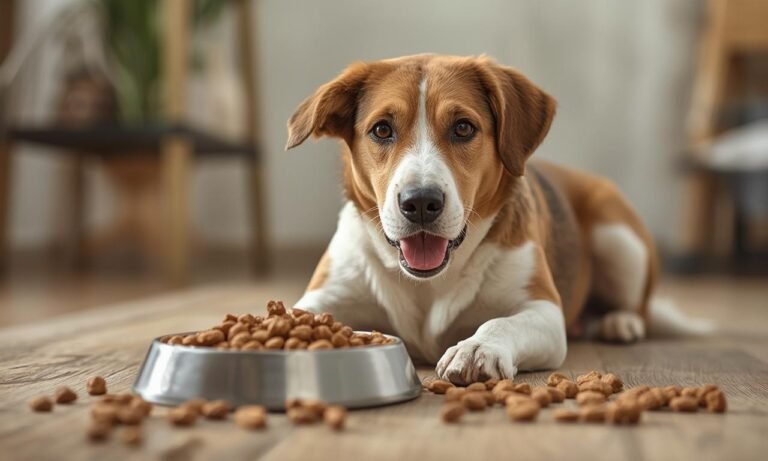
Can Dogs Eat Human Food? What’s Safe and What’s Not
Many pet owners find themselves wondering can dogs eat human food when their furry friend gives them those irresistible puppy eyes during mealtime. While sharing food with your canine companion might seem like a way to bond, it’s crucial to understand which human foods are safe and which could be harmful. Not all human foods pose dangers to dogs—in fact, many safe foods for dogs can provide nutritional benefits when given in moderation. This guide will walk you through everything you need to know about feeding your dog human food safely and responsibly.
Materials & Supplies
Before introducing human foods to your dog’s diet, make sure you have:
– Consultation with your veterinarian (essential before dietary changes)
– Food scale for proper portion measurement
– Air-tight storage containers for leftovers
– Separate cutting board for pet food preparation
– Stainless steel or ceramic dog bowls (avoid plastic)
– List of toxic foods (to keep posted on your refrigerator)
– Food processor or blender (for pureeing certain vegetables)
– Ice cube trays (for freezing portions of fruits or yogurt)
– Dog-specific treats to mix with human food options
– Food diary to track reactions to new foods
Timing / Growing Schedule
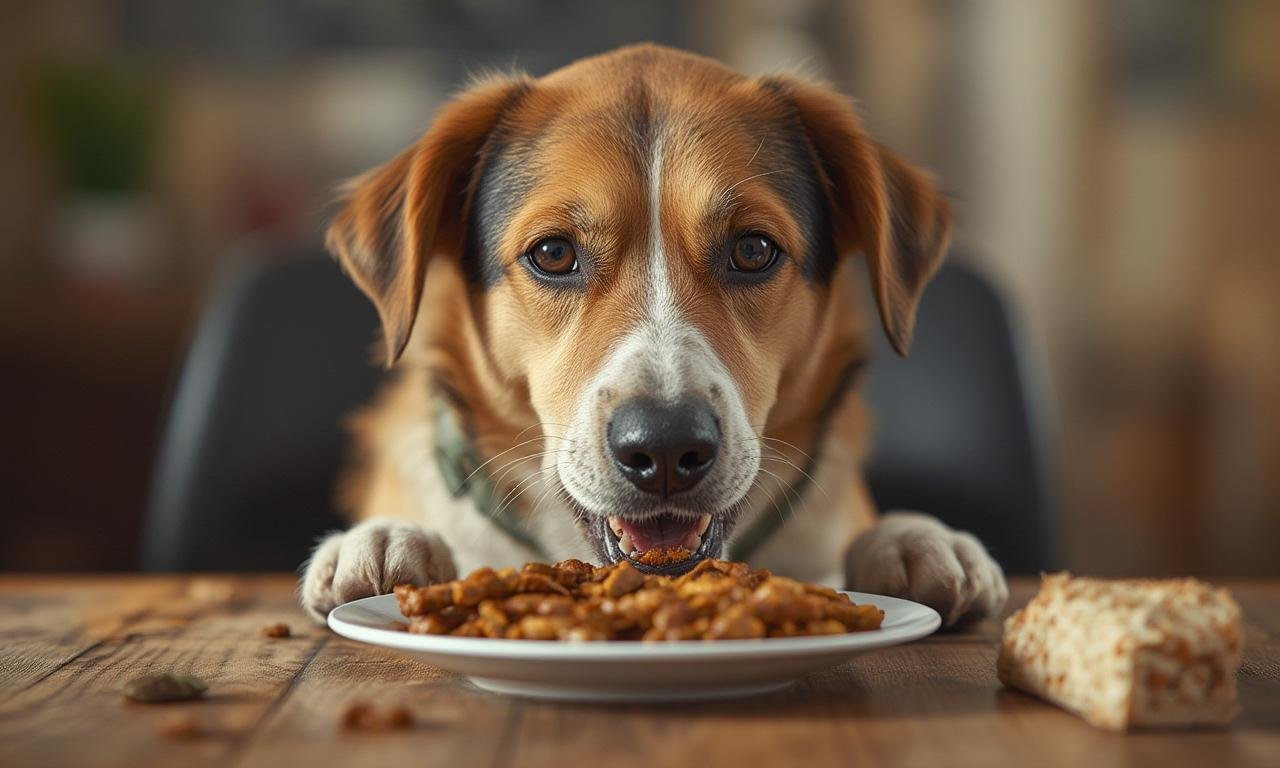
Introducing human foods to your dog’s diet should follow a careful timeline:
Initial Introduction: Begin with tiny amounts (1 teaspoon) of a single new food item.
Observation Period: Wait 24-48 hours to monitor for any adverse reactions.
Gradual Increase: If well-tolerated, slowly increase portion size over 1-2 weeks.
Rotation Schedule: Introduce new foods one at a time, never multiple new items simultaneously.
Seasonal Considerations: Some fruits and vegetables are seasonal, so plan accordingly.
Feeding Frequency: Human food treats should constitute no more than 10% of daily caloric intake.
Age Considerations: Puppies, adult dogs, and seniors have different nutritional needs and tolerances.
Meal Timing: Offer human food treats between regular meals to avoid disrupting normal eating habits.
Step-by-Step Instructions

1. Consult Your Veterinarian: Before changing your dog’s diet, get professional advice tailored to your pet’s specific health needs.
2. Research Thoroughly: Create a list of safe foods for dogs and foods to avoid.
3. Start Simple: Begin with plain, unseasoned foods like cooked chicken, carrots, or apples.
4. Prepare Properly: Remove seeds, pits, skins, and bones. Cook meats thoroughly and wash fruits and vegetables.
5. Control Portions: Even if wondering “can dogs eat human food,” remember that treats should make up only a small percentage of their diet.
6. Monitor Reactions: Watch for signs of allergies, digestive upset, or behavioral changes after introducing new foods.
7. Keep a Log: Document which foods your dog enjoys and tolerates well.
8. Create Balance: Ensure human food supplements, not replaces, a balanced commercial dog food diet.
Nutritional Benefits / Advantages
Human foods can offer significant nutritional benefits for dogs when chosen wisely:
– Lean Proteins: Chicken, turkey, and fish provide essential amino acids for muscle development.
– Vegetables: Carrots, green beans, and pumpkin offer vitamins, minerals, and fiber.
– Fruits: Blueberries and apples provide antioxidants and natural vitamins.
– Healthy Fats: Small amounts of olive oil or fish oil support coat health and reduce inflammation.
– Digestive Support: Plain yogurt can provide probiotics for gut health.
– Dental Benefits: Crunchy fruits and vegetables can help clean teeth naturally.
– Weight Management: Low-calorie options like cucumber and watermelon make good treats for dogs on diets.
– Hydration: Many fruits have high water content, supporting hydration.
Tips, Alternative Methods
– Freeze plain yogurt or pumpkin puree in ice cube trays for summer treats.
– Steam vegetables rather than serving them raw for easier digestion.
– Use a food processor to puree vegetables and mix them into regular dog food.
– Consider dehydrating fruits and meats for longer-lasting, preservative-free treats.
– Create “puzzle” treats by stuffing dog-safe human foods into toys.
– Use small pieces of cooked chicken or turkey as high-value training rewards.
– Rotate different human food treats to provide varied nutrients and prevent boredom.
– Consider homemade broths (without onions or garlic) for adding flavor to kibble.
Common Mistakes to Avoid

– Seasoning Foods: Dogs don’t need salt, spices, or flavorings that can be harmful.
– Offering Fatty Scraps: Trim fat from meats to prevent pancreatitis.
– Feeding From the Table: This encourages begging and disrupts regular feeding routines.
– Ignoring Size Differences: Small dogs need much smaller portions than larger breeds.
– Overlooking Food Allergies: Dogs can develop allergies to human foods just like commercial foods.
– Providing Cooked Bones: These can splinter and cause serious internal damage.
– Overfeeding Fruits: The natural sugars in fruits should be limited.
– Assuming All Vegetables Are Safe: Onions, garlic, and some others are toxic to dogs.
Storage / Maintenance Tips
– Store prepared human food treats in airtight containers for up to 3 days in the refrigerator.
– Label and date all stored treats.
– Freeze portioned treats in silicone molds or ice cube trays for up to 3 months.
– Keep a separate cutting board dedicated to preparing dog treats to avoid cross-contamination.
– Wash all fruits and vegetables thoroughly to remove pesticides and contaminants.
– Store toxic foods in areas completely inaccessible to your dog.
– Maintain a consistent feeding schedule even when incorporating human food treats.
– Clean food preparation surfaces thoroughly to prevent bacterial contamination.
Conclusion
Incorporating human foods into your dog’s diet can be a rewarding way to enhance nutrition and provide variety. When done thoughtfully, can dogs eat human food becomes less of a question and more of an opportunity for health benefits. Remember to introduce new safe foods for dogs gradually, maintain proper portions, and always prioritize your pet’s overall balanced nutrition. By following the guidelines in this article, you can safely share appropriate human foods with your canine companion while strengthening your bond and potentially improving their health. Always consult with your veterinarian about your specific dog’s dietary needs, especially if they have existing health conditions.
FAQs
How much human food can I safely give my dog?
Human food treats should not exceed 10% of your dog’s total daily caloric intake. The majority of their diet should still come from high-quality commercial dog food formulated to meet their nutritional needs.
Can puppies eat the same human foods as adult dogs?
Puppies have more sensitive digestive systems and specific nutritional requirements for growth. Consult with your veterinarian before introducing human foods to a puppy’s diet, as they may need to wait until they’re older.
Is it okay to give my dog fruits with the skin on?
Some fruit skins can be difficult to digest or may contain pesticide residues. It’s best to peel fruits like apples and wash all produce thoroughly before feeding to your dog.
Can dogs with health conditions eat human foods?
Dogs with medical conditions like diabetes, kidney disease, or food allergies may have strict dietary restrictions. Always consult with your veterinarian about specific foods that are safe for your dog’s particular health condition.
How can I tell if my dog is allergic to a human food I’ve introduced?
Watch for symptoms such as itching, redness, ear infections, gastrointestinal upset, or changes in behavior after introducing a new food. If you notice these signs, discontinue the food immediately and consult your veterinarian.
List

Healthy Dog Treats for Training: Nutritious Snacks to Reward Your Pup

Best Cat Food for Senior Cats: Nourish Your Older Feline
Easy Homemade Dog Food Recipes: Delicious Meals Your Pup Will Love

Best Dog Food for Sensitive Stomachs: Top Picks for Digestion-Friendly Meals

Small Dog Breeds for Apartment Living