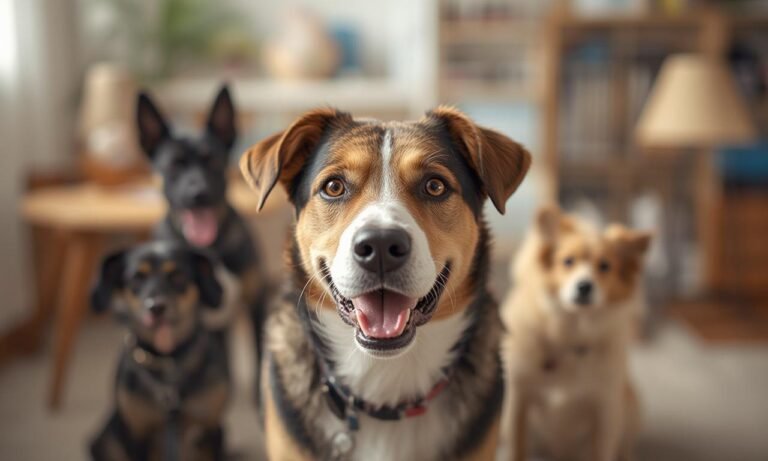
Small Dog Breeds for Apartment Living
Living in an apartment doesn’t mean you can’t enjoy the companionship of a four-legged friend. Small dog breeds for apartments offer the perfect solution for city dwellers with limited space. These compact companions provide all the love and joy of larger dogs without requiring a sprawling yard or massive living area. When considering Apartment-Friendly Small Dog Breeds, it’s important to assess not just size, but also energy levels, barking tendencies, and adaptability to indoor living. This guide will walk you through everything you need to know about selecting and raising the perfect apartment dog.
Materials & Supplies
Before bringing home your new apartment-dwelling companion, gather these essential items:
1. Appropriately sized crate or bed
2. Food and water bowls
3. High-quality dog food formulated for small breeds
4. Collar, ID tag, and leash
5. Waste bags for walks
6. Indoor potty solution (pee pads or grass patch)
7. Selection of toys (quiet toys are best for apartments)
8. Grooming supplies specific to your chosen breed
9. Baby gates (if needed to restrict access)
10. Basic first aid kit for pets
11. Enzyme cleaner for accidents
12. Chew toys to prevent destructive behaviors
Timing / Growing Schedule
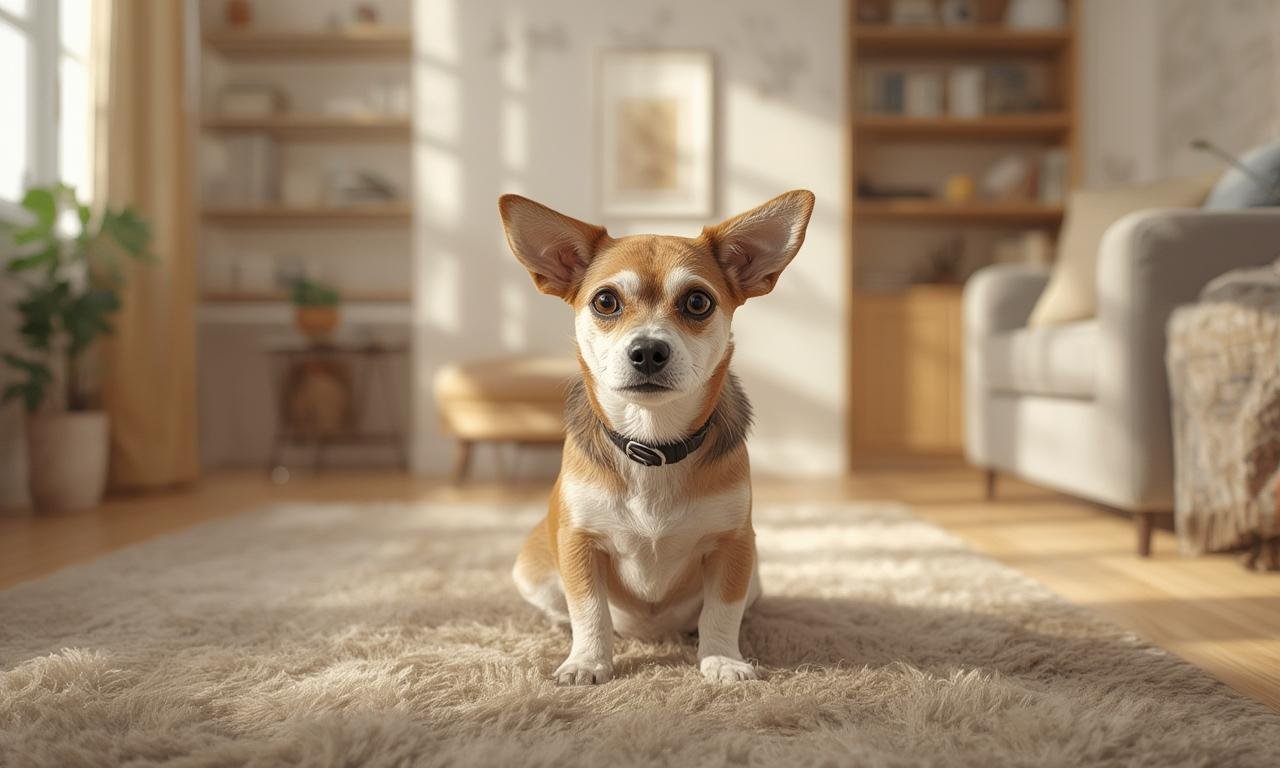
Understanding the growth and development timeline of small breed dogs is crucial for proper care:
Puppy Phase (0-6 months)
- Requires frequent potty breaks (every 2-3 hours)
- Multiple small meals throughout the day
- Early socialization and basic training begin
- Teething period (3-6 months)
Adolescent Phase (6-12 months)
- Most small breeds reach about 80% of adult size
- Transition to two meals per day
- Continue socialization and training
- Energy levels peak
Adult Phase (1-7 years)
- Most small breeds reach full size by 12 months
- Establish consistent exercise routine
- Maintain training reinforcement
- Monitor weight closely as metabolism changes
Senior Phase (7+ years)
- Adjust exercise to accommodate aging joints
- Consider senior-specific food
- More frequent veterinary check-ups
- Potential need for additional bedding/comfort
Step-by-Step Instructions
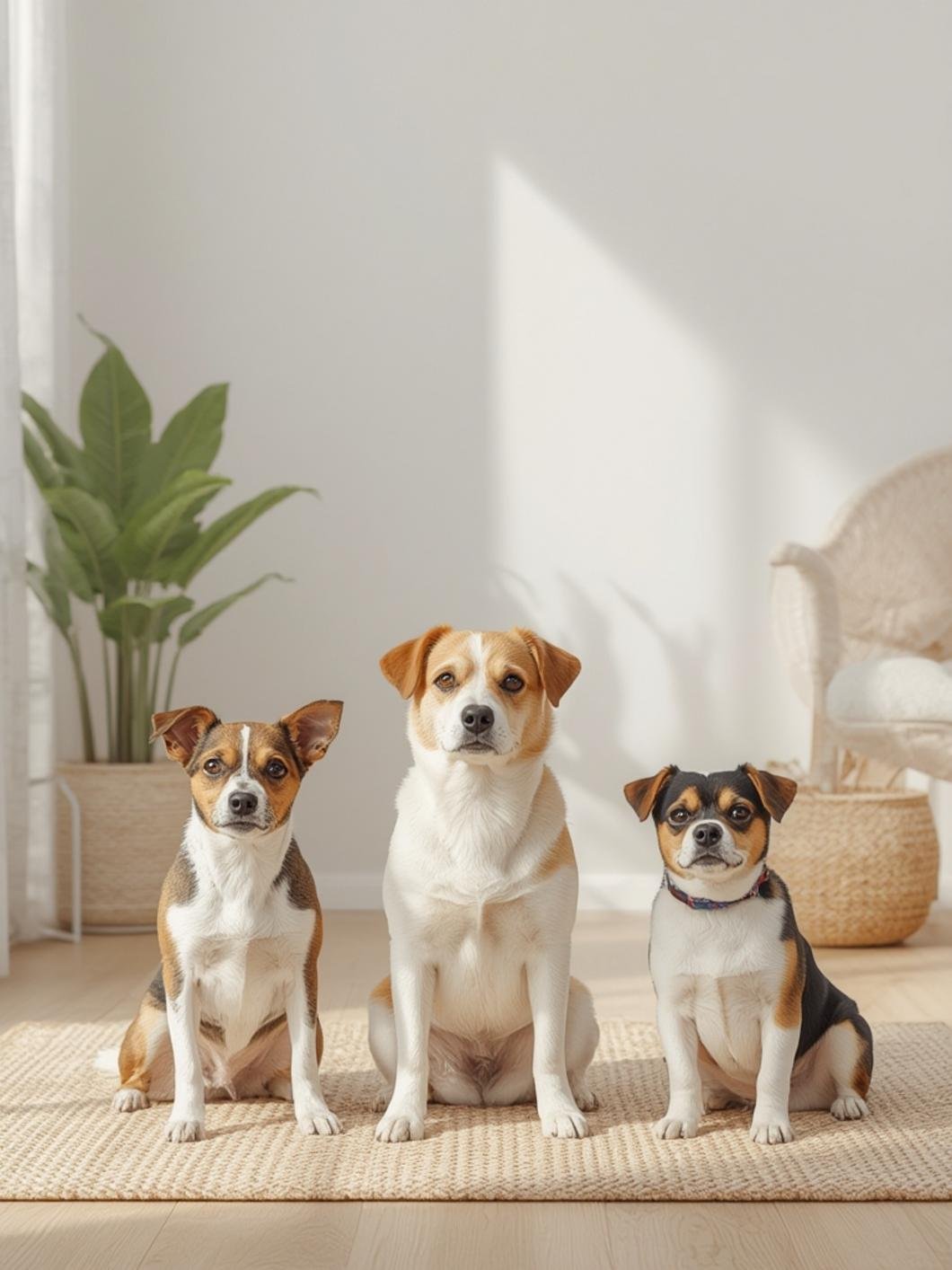
1. Assess Your Lifestyle and Space
- Consider work schedule, social commitments, and activity level
- Measure available space for dog bed, crate, and play area
- Evaluate building restrictions on pets and breed limitations
2. Research Small dog breeds for apartments
- Focus on low to moderate energy breeds
- Consider noise level (minimal barking preferred)
- Look for breeds that don’t require extensive outdoor exercise
3. Prepare Your Apartment
- Remove hazardous items and secure loose wires
- Create designated sleeping and eating areas
- Set up potty solution if you’re on a high floor
4. Find a Reputable Source
- Research responsible breeders or visit local shelters
- Ask about temperament, health history, and parents
- Consider adult dogs that are already apartment-trained
5. Create an Apartment-Friendly Small Dog Breeds Training Plan
- Establish potty schedule immediately
- Implement noise control training early
- Create positive associations with being alone
Nutritional Benefits / Advantages
Small apartment dogs offer numerous benefits beyond their compact size:
- Lower food costs compared to larger breeds
- Reduced waste production
- Less shedding and dander in small spaces
- Often live longer (15+ years for many small breeds)
- Lower exercise requirements can fit busy schedules
- Portable for travel and outings
- Can typically exercise indoors during bad weather
- Lower risk of structural damage to rental properties
- Easier to manage health issues with aging
Tips, Alternative Methods
- Consider doggy daycare for high-energy small breeds
- Install a doggy door to a balcony potty area if possible
- Use puzzle toys and interactive feeders to provide mental stimulation
- Create vertical space with secure shelves or steps for dogs to perch
- Schedule play dates with other small dogs for socialization
- Invest in sound-absorbing dog beds to minimize noise complaints
- Use calming pheromone diffusers to reduce anxiety in small spaces
- Implement scent-based enrichment activities for mental stimulation
- Consider professional dog walking services for workdays
Common Mistakes to Avoid

- Choosing a breed based solely on size (ignoring energy/barking tendencies)
- Inconsistent potty training schedules leading to accidents
- Inadequate exercise resulting in destructive behaviors
- Skipping socialization, creating fear or aggression issues
- Overfeeding, which is common with small breeds
- Insufficient mental stimulation in confined spaces
- Ignoring separation anxiety signs
- Allowing “small dog syndrome” by not enforcing boundaries
- Failing to establish a noise management strategy
- Not having a backup care plan for emergencies
Storage / Maintenance Tips
- Store dog food in airtight containers to maintain freshness
- Rotate toys weekly to prevent boredom
- Wash bedding weekly to control pet odors
- Establish a daily cleaning routine for dog areas
- Keep grooming supplies organized in a dedicated container
- Schedule regular professional grooming to minimize shedding
- Use wall-mounted storage for leashes and supplies to save space
- Consider multi-purpose furniture that serves as dog beds
- Keep vaccination records and medical information easily accessible
- Maintain a pet emergency fund for unexpected veterinary expenses
Conclusion
Finding the perfect Small dog breeds for apartments can bring immeasurable joy to your urban lifestyle. With proper preparation, training, and care, these compact companions can thrive in limited spaces while providing all the love and companionship you desire. Remember that successful apartment dog ownership requires commitment to training, socialization, and meeting your dog’s physical and mental needs. Whether you choose a quiet Shih Tzu or an adaptable Bichon Frise, Apartment-Friendly Small Dog Breeds can make your living space feel more like home. Ready to welcome a new furry family member? Start your research today and prepare for a lifetime of tail-wagging happiness.
FAQs
Which small breeds bark the least?
Breeds like the Cavalier King Charles Spaniel, Shih Tzu, and French Bulldog tend to be quieter choices for apartments. However, individual temperament varies, and proper training is essential regardless of breed.
How often do apartment dogs need to go outside?
Adult small dogs typically need to go out 3-5 times daily. Puppies require more frequent breaks, often every 2-3 hours. Some breeds can be successfully trained to use indoor potty solutions for emergencies.
Can small dogs get enough exercise indoors?
Many small breeds can meet their exercise needs through indoor play sessions, interactive toys, and brief walks. Implement “indoor agility” using furniture and toys to provide sufficient physical activity.
How do I prevent separation anxiety in my apartment dog?
Gradually acclimate your dog to being alone, starting with brief absences. Provide engaging toys, consider calming music, and maintain a consistent departure routine to reduce anxiety.
Should I adopt two small dogs for companionship in my apartment?
While two dogs can keep each other company, this doubles responsibilities and potential noise. Consider your space limitations and building regulations before adopting multiple pets.
List

Healthy Dog Treats for Training: Nutritious Snacks to Reward Your Pup

Best Cat Food for Senior Cats: Nourish Your Older Feline

Easy Homemade Dog Food Recipes: Delicious Meals Your Pup Will Love

Best Dog Food for Sensitive Stomachs: Top Picks for Digestion-Friendly Meals
Small Dog Breeds for Apartment Living