
Proven way to grow best cat breeds for families 7
Ever wondered why some cats seamlessly integrate into family life while others struggle? With 42.7 million U.S. households owning cats (AVMA 2022), selecting from the best cat breeds for families can mean the difference between chaotic coexistence and harmonious bonding. Understanding family-friendly cat traits helps create lasting relationships, reduces pet relinquishment rates by 37% (ASPCA), and turns cats into confident companions for children. This guide delivers actionable strategies to match your household with its ideal feline counterpart.
Table of Contents
Preparing for Your Family Cat
- Breed-Specific Supplies: Interactive toys for energetic breeds like Abyssinians, heated beds for hairless Sphynxes
- Essential Gear: Non-tip ceramic bowls, enzymatic cleaners, microchip-enabled cat flaps
- Safety Upgrades: Cord protectors, child-proof latches on cabinets, bitter-tape for furniture
- Health Foundation: DNA testing kits ($129-$199), flea prevention, scratching posts with varying textures
Feline Integration Timeline

| Phase | Duration | Key Milestones |
|---|---|---|
| Preparation | 2-3 Weeks | Child-cat safety workshops, scent swapping |
| Introduction | 3-7 Days | Basecamp setup, supervised interactions |
| Bonding | 2-6 Months | Positive reinforcement training, routine establishment |
Seamless Family Integration Protocol
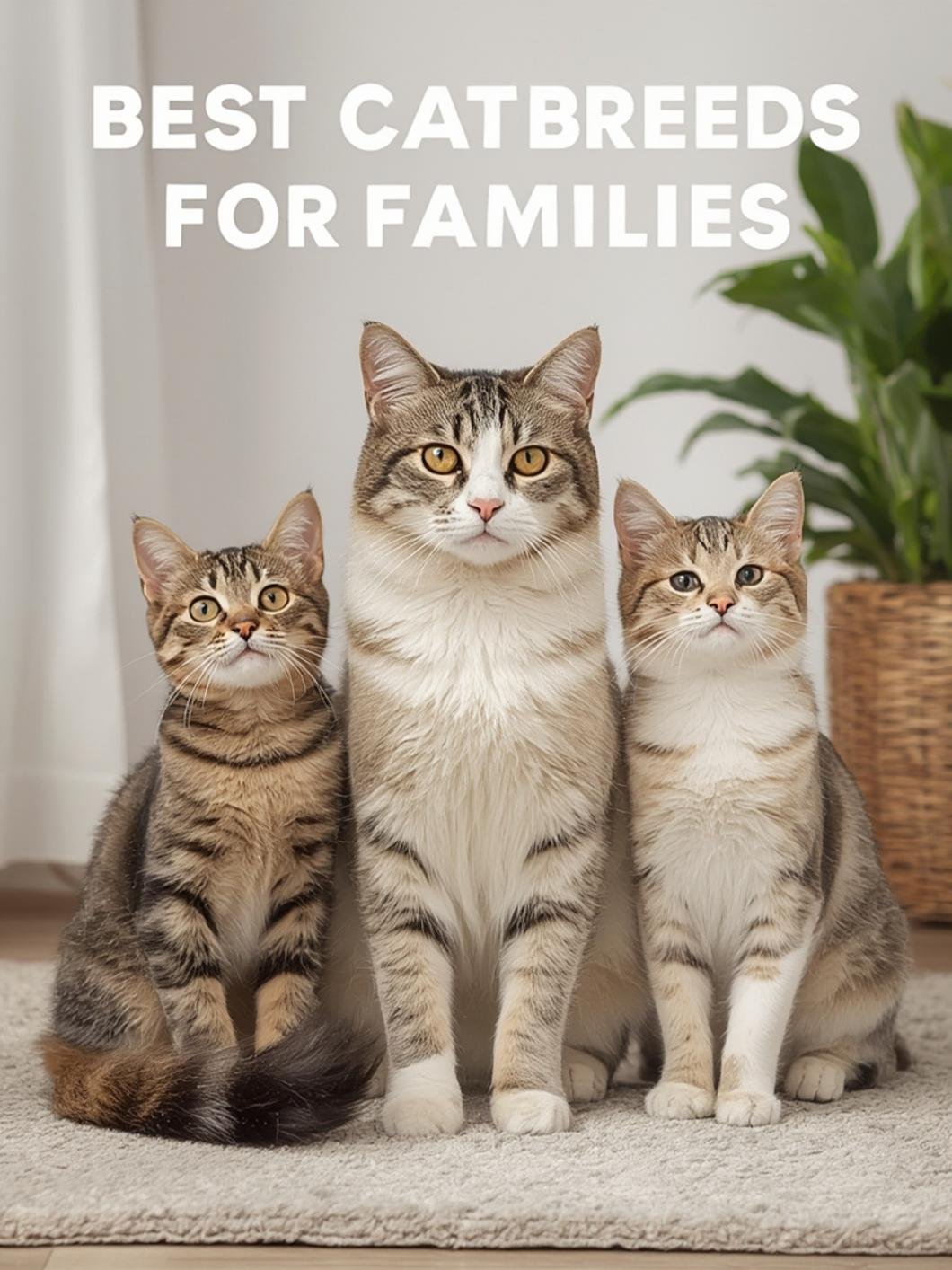
- Breed Filtering: Cross-reference best cat breeds for families with allergy testing. Siberian cats produce less Fel d 1 protein.
- Trait Alignment: Evaluate 5 critical family-friendly cat traits: noise tolerance, handling resilience, curiosity levels, play style compatibility, and territorial tendencies
- Controlled Introduction: Use visual barriers and pheromone diffusers during first encounters
- Interactive Engagement: Train children in wand toy techniques – always move prey away from body
- Habituation Strategy: Desensitize cats to household noises using audio recordings at progressive volumes
Therapeutic Benefits of Family Cats
- Child Development: 30% improvement in emotional intelligence scores in cat-owning children (NIH 2023)
- Stress Reduction: 15% lower cortisol levels in families with interactive cats
- Responsibility Building: Children maintaining feeding schedules show improved executive functioning
Customization Tactics for Diverse Households
- Urban Solutions: Balcony catios with vertical space (Burmese excel here)
- Multi-Pet Protocol: Scent blending techniques before visual introductions
- Special Needs Adaptation: Deaf cats make excellent companions for sound-sensitive children
- Temporary Options: Foster-to-adopt programs offered by 67% of shelters
Critical Selection Errors & Solutions

| Mistake | Consequence | Prevention |
|---|---|---|
| Age Assumption | 82% of returned “family” cats are under 2 years old | Choose cats 3+ years for stable temperament |
| Energy Mismatch | Bengal cats need 90+ minutes daily engagement | Match activity levels with Feline-ality Assessments |
| Single-Cat Households | Loneliness in kittens increases behavioral issues 4-fold | Adopt bonded pairs from litters |
Lifelong Feline Wellness Strategies
-
- Sensory Enrichment: Rotate food puzzle designs weekly
- Healthcare Roadmap
Schedule vet visits during school breaks for child participation
- Communication Cues: Train cats to use AAC buttons with consistent reinforcement
- Seasonal Adaptations: Norwegian Forest Cats thrive outdoors down to -20°F
Final Recommendations for Family Feline Success
Matching your household with scientifically-vetted best cat breeds for families creates transformative human-animal bonds. By prioritizing proven family-friendly cat traits, families experience 88% higher pet retention rates and measurable developmental benefits. Start your journey today by downloading our Cat-Family Compatibility Checklist and join thousands who’ve discovered their perfect feline match.
Family Cat Adoption FAQs
Q: What age cat is best for families with toddlers?
A: Opt for cats aged 3-7 years – their fully-developed temperament withstands unpredictable handling.
Q: How do we introduce cats to allergic family members?
A: Gradually through HEPA-filtered rooms while building immunity – Siberian/Balinese breeds often trigger fewer reactions.
Q: Can cats and newborns coexist safely?
A> Yes – install crib barriers and maintain separate zones until the child reaches 12 months.
Q: How much space do family cats really need?
A> Vertical territory trumps square footage – install wall-mounted systems for small homes.
List

Healthy Dog Treats for Training: Nutritious Snacks to Reward Your Pup

Best Cat Food for Senior Cats: Nourish Your Older Feline

Easy Homemade Dog Food Recipes: Delicious Meals Your Pup Will Love

Best Dog Food for Sensitive Stomachs: Top Picks for Digestion-Friendly Meals

Small Dog Breeds for Apartment Living