
Quick way to grow how to stop dog barking 7 ways
Does your dog’s barking leave you frustrated and your neighbors scowling? You’re not alone—excessive vocalization is one of the most common behavioral challenges dog owners face. Addressing how to stop dog barking is essential for household harmony, stronger human-canine bonds, and compliance with local noise ordinances. This guide blends modern training science with practical solutions, including humane dog barking deterrent devices, to restore peace effectively.
Table of Contents
Materials & Supplies
- High-Value Treats: Small, smelly rewards (freeze-dried liver, cheese bits) for positive reinforcement
- Clicker or Marker Word (“Yes!”) to pinpoint desired quiet behavior
- Interactive Toys: Puzzle feeders or lick mats to redirect anxious energy
- Calming Aids: Adaptil diffusers or thunder shirts (for stress-related barking)
- Optional Tools: dog barking deterrent devices like ultrasonic trainers or vibration collars
- Journal: Track triggers, frequency, and progress
Timing / Training Schedule

Unlike growing plants, behavior modification has flexible seasons but requires consistency. Initial results appear in 2–3 weeks with daily 10-minute sessions. Full habit change may take 3–6 months for deeply ingrained barking. Tip: Train during low-distraction periods (mornings indoors) before advancing to high-stimulus scenarios (mail carrier visits).
Step-by-Step Instructions
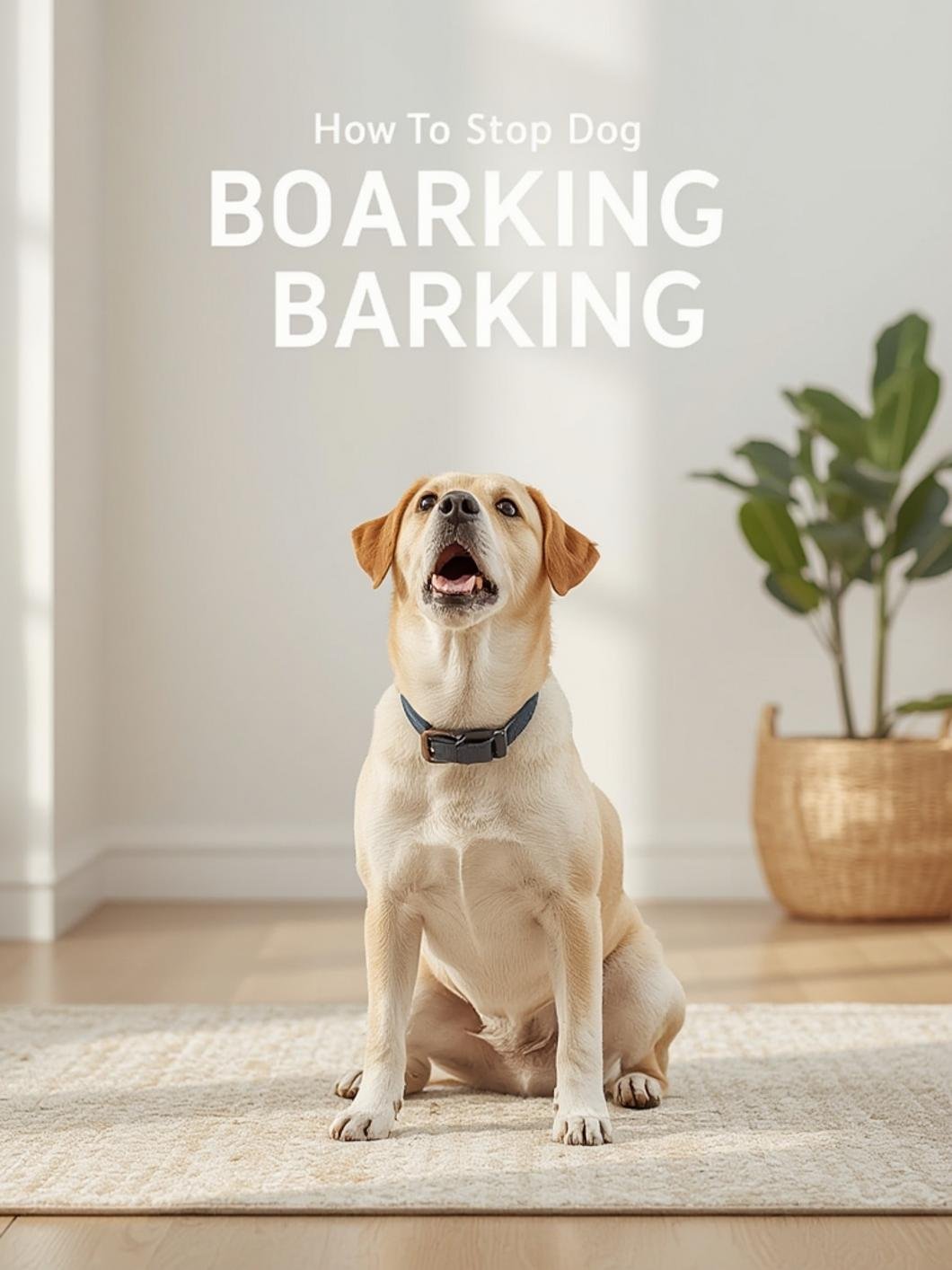
- Identify Triggers: Note if barking occurs at strangers, other dogs, or isolation.
- Teach “Quiet”: Wait for barking, say “quiet,” then reward silence within 2 seconds. Gradually delay treats.
- Redirect Energy: For boredom barking, offer a frozen Kong or scent game.
- Manage Environment: Close curtains or use white noise to block visual/audio triggers.
- Integrate Tools: Pair training with dog barking deterrent devices like citronella spray collars for persistent cases, ensuring they’re harm-free.
Mastering how to stop dog barking hinges on consistency, not punishment.
Nutritional Benefits / Advantages
Reducing stress-related barking improves your dog’s cortisol levels and digestive health. Pair training with calming supplements like L-theanine or probiotics for anxious pups. A quieter home also lowers human stress—studies show chronic noise exposure increases hypertension risks by 12%.
Tips & Alternative Methods
- Urban Dwellers: Use window films to reduce street-triggered barking
- Multi-Dog Homes: Train dogs separately to prevent “group barking” reinforcement
- Organic Approach: Play species-specific music or use lavender sprays for natural calming
- Tech Solutions: Pet cameras with treat dispensers let you reward quiet remotely
Common Mistakes to Avoid

- Yelling “No!”: This adds excitement, worsening barking. Use silence + rewards instead.
- Inconsistent Rules: Allowing “alert” barking sometimes but not always confuses dogs.
- Skipping Exercise: Underexercised dogs bark more. Aim for 30–60 mins of daily activity.
- Ignoring Fear: Dogs terrified of vacuums need desensitization, not just quiet commands.
Storage & Maintenance Tips
Store treats in airtight containers to preserve freshness between sessions. Clean dog barking deterrent devices weekly with pet-safe wipes. Refresh training every 3 months with new cues like “enough” to prevent habituation.
Conclusion
Learning how to stop dog barking transforms noisy frustration into peaceful coexistence. Whether you’re using positive reinforcement or humane dog barking deterrent devices, patience and consistency are your most powerful tools. Share your success story in the comments—what quiet win made your tail wag this week?
FAQs
Q: Are ultrasonic bark devices cruel?
A: Most emit a harmless high-pitched tone. Avoid devices with shock functions—vibration or spray models are kinder.
Q: Why does my dog bark at nothing?
A: They may hear high-frequency sounds (like appliances) or sense wildlife through smells imperceptible to humans.
Q: Can older dogs learn quiet commands?
A: Yes! Senior dogs adapt well to training with higher-value rewards like fish oil-coated kibble.
Q: Should I use a muzzle to stop barking?
A: Never for prolonged periods. Muzzles address biting, not barking, and can cause overheating/distress.
List

Healthy Dog Treats for Training: Nutritious Snacks to Reward Your Pup

Best Cat Food for Senior Cats: Nourish Your Older Feline

Easy Homemade Dog Food Recipes: Delicious Meals Your Pup Will Love

Best Dog Food for Sensitive Stomachs: Top Picks for Digestion-Friendly Meals

Small Dog Breeds for Apartment Living