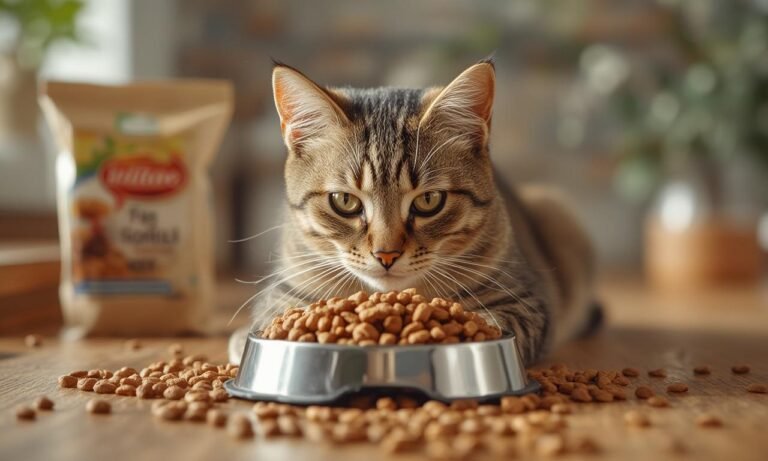
Best Dog Food for Sensitive Stomachs: Top Picks for Digestion-Friendly Meals
When it comes to caring for our canine companions with digestive issues, nothing beats homegrown ingredients for maximum quality control. Many pet owners turn to Best dog food for sensitive stomachs to alleviate their pets’ digestive distress, but growing your own ingredients can be even more beneficial. Commercial Dog Food for Digestive Issues is helpful, but homegrown options ensure freshness and purity. This guide will walk you through the process of growing select ingredients that are gentle on canine digestive systems while providing optimal nutrition.
Materials & Supplies
– High-quality organic seeds (pumpkin, sweet potato, brown rice, quinoa)
– Garden beds or containers (at least 12 inches deep)
– Organic, chemical-free potting soil
– Natural fertilizer (compost or worm castings)
– Garden tools (trowel, watering can, gloves, pruners)
– Plant markers or labels
– Harvest baskets
– Dehydrator (optional for preserving)
– Vacuum sealer (optional for storage)
– pH testing kit
– Organic pest deterrents
– Garden netting (to protect from animals)
– Thermometer (to monitor soil temperature)
Timing / Growing Schedule

Planning your growing schedule ensures a steady supply of fresh ingredients throughout the year:
Spring (March-May):
– Prepare garden beds and test soil
– Start pumpkin seeds indoors 3-4 weeks before last frost
– Plant sweet potato slips after frost danger passes
Summer (June-August):
– Maintain plants with regular watering and organic fertilization
– Plant succession crops of leafy greens every 2-3 weeks
– Monitor pumpkin growth; vines will spread significantly
Fall (September-November):
– Harvest pumpkins when fully mature (typically 90-120 days after planting)
– Dig sweet potatoes after vines yellow (approximately 100-150 days after planting)
– Begin indoor herb garden for winter use
Winter (December-February):
– Maintain indoor herb garden
– Plan next year’s garden
– Process and preserve harvested foods
Most dog-friendly vegetables reach maturity in 60-120 days, while herbs can be harvested in as little as 30 days.
Step-by-Step Instructions

1. Soil Preparation (Weeks 1-2)
– Test soil pH (aim for 6.0-7.0)
– Add compost to enrich the soil
– Remove rocks, weeds, and debris
– Loosen soil to a depth of 12-18 inches
2. Planting (Weeks 2-3)
– Space pumpkin seeds 4-8 feet apart
– Plant sweet potato slips 12-18 inches apart
– Sow quinoa seeds 1/4 inch deep, 10-12 inches apart
– Label all plantings clearly
3. Maintenance (Ongoing)
– Water consistently (1-2 inches weekly)
– Apply natural fertilizer monthly
– Monitor for pests without using chemicals
– Thin seedlings as needed for proper growth
4. Harvesting (Varies by crop)
– Pick pumpkins when fully orange with hardened skin
– Dig sweet potatoes gently after vines yellow
– Harvest quinoa when seeds resist fingernail impression
5. Processing for Best dog food for sensitive stomachs
– Wash all produce thoroughly
– Cook sweet potatoes and pumpkin until soft
– Rinse quinoa multiple times to remove saponins
– Puree or mash ingredients as appropriate for your Dog Food for Digestive Issues
– Portion and freeze in meal-sized containers
Nutritional Benefits / Advantages
Home-grown ingredients for dog food offer substantial benefits:
– Sweet Potatoes: Rich in fiber, beta-carotene, and complex carbohydrates that support digestive health
– Pumpkin: Excellent source of soluble fiber that regulates digestion; contains vitamin A and antioxidants
– Quinoa: Complete protein containing all essential amino acids; gentle on digestion
– Leafy Greens: Provide chlorophyll that aids detoxification and promotes healthy gut flora
– Herbs (Parsley, Mint): Contain natural enzymes that support digestion and freshen breath
The absence of pesticides, preservatives, and artificial additives makes homegrown ingredients particularly beneficial for dogs with sensitive digestive systems.
Tips, Alternative Methods
– Container Gardening: Limited space? Grow sweet potatoes in deep containers and train pumpkin vines vertically.
– Succession Planting: Stagger plantings every 2-3 weeks for continuous harvest.
– Companion Planting: Grow marigolds nearby to deter pests naturally.
– Hydroponic Options: Consider a small hydroponic setup for year-round herb production.
– Sprout Production: Grow nutrient-dense sprouts indoors in just 3-5 days for quick nutritional boosts.
– Frozen Treats: Freeze pureed pumpkin in ice cube trays for cooling digestive treats.
Common Mistakes to Avoid

1. Using Chemical Fertilizers or Pesticides: These can harm your dog; stick to organic methods.
2. Growing Toxic Plants Nearby: Avoid onions, garlic, grapes, or rhubarb in your dog food garden.
3. Inadequate Washing: Always thoroughly rinse produce to remove soil bacteria.
4. Improper Storage: Failing to properly store harvested foods can lead to mold or nutrient loss.
5. Overfeeding Certain Ingredients: Even healthy foods should be proportioned appropriately.
6. Inconsistent Watering: This stresses plants and can reduce nutritional content.
Storage / Maintenance Tips
Proper storage maximizes nutritional value and extends shelf life:
– Freeze cooked pumpkin and sweet potato puree in ice cube trays, then transfer to freezer bags (lasts 6-8 months)
– Store dried herbs in airtight containers away from light (maintains potency for 6-12 months)
– Vacuum seal cooked grains and freeze (maintains quality for 12-18 months)
– Keep fresh greens wrapped in damp paper towels in the refrigerator (lasts 7-10 days)
– Label all stored items with contents and date
– Rotate stored items, using oldest first
Conclusion
Growing your own ingredients for homemade dog food allows unparalleled control over what goes into your pet’s diet. The process may require time and dedication, but the health benefits for dogs with sensitive digestion are immeasurable. By cultivating ingredients specifically for Best dog food for sensitive stomachs, you’re providing your furry friend with nutrition that’s not only fresh and pure but tailored to their specific needs. Whether you’re creating Dog Food for Digestive Issues or simply enhancing commercial options with homegrown additions, your efforts contribute directly to your dog’s health and happiness. Start small, observe your dog’s response, and gradually expand your garden to become your pet’s primary source of nutrition.
FAQs
How much garden space do I need to grow significant dog food ingredients?
A 10’x10′ plot can produce substantial supplemental ingredients. For complete food production, consider 100-200 square feet depending on your dog’s size and needs.
Can I grow enough to completely replace commercial dog food?
Yes, though it requires significant planning, space, and variety to ensure nutritional balance. Most owners start with supplements before transitioning to full homemade diets.
Are there any vegetables I should avoid growing for dog consumption?
Avoid onions, garlic, leeks, tomato plants, potato plants (green parts), and rhubarb, as these can be toxic to dogs.
How do I ensure nutritional balance in homemade dog food?
Consult with a veterinary nutritionist to create a balanced recipe, and consider adding appropriate supplements to meet all nutritional requirements.
Can I preserve excess harvest for year-round use?
Absolutely. Freeze, dehydrate, or can excess produce following proper food safety guidelines to maintain a year-round supply.
List

Healthy Dog Treats for Training: Nutritious Snacks to Reward Your Pup

Best Cat Food for Senior Cats: Nourish Your Older Feline
Easy Homemade Dog Food Recipes: Delicious Meals Your Pup Will Love

Best Dog Food for Sensitive Stomachs: Top Picks for Digestion-Friendly Meals

Small Dog Breeds for Apartment Living