
Dog Eating Grass: 7 Surprising Reasons and When to Worry
Quick answer: Dog eating grass is very common and usually normal. Most dogs that eat grass are healthy and show no signs of illness before or after. Common reasons include boredom, instinct, enjoying the taste or texture, a need for more fiber, or an upset stomach. It becomes a concern when your dog eats grass suddenly and obsessively, vomits often, has diarrhea, seems lethargic, or eats grass that may be treated with chemicals.
Seeing your dog graze like a little cow can be confusing, especially if they throw up afterward. Is something wrong? Are they missing something in their diet? Should you stop them? This guide explains the seven most likely reasons behind dog eating grass, what science says, the warning signs that need a vet visit, and simple ways to reduce the habit safely.
Key Takeaways
- Dog eating grass is considered a normal behavior in most healthy dogs.
- Only a minority of dogs seem unwell before eating grass, and most do not vomit afterward.
- Boredom, instinct, taste, and fiber needs are the most common explanations.
- Pesticides, fertilizers, and toxic plants are the biggest real risks.
- Call your vet if grass eating is new, frantic, or comes with vomiting, diarrhea, weight loss, or low energy.
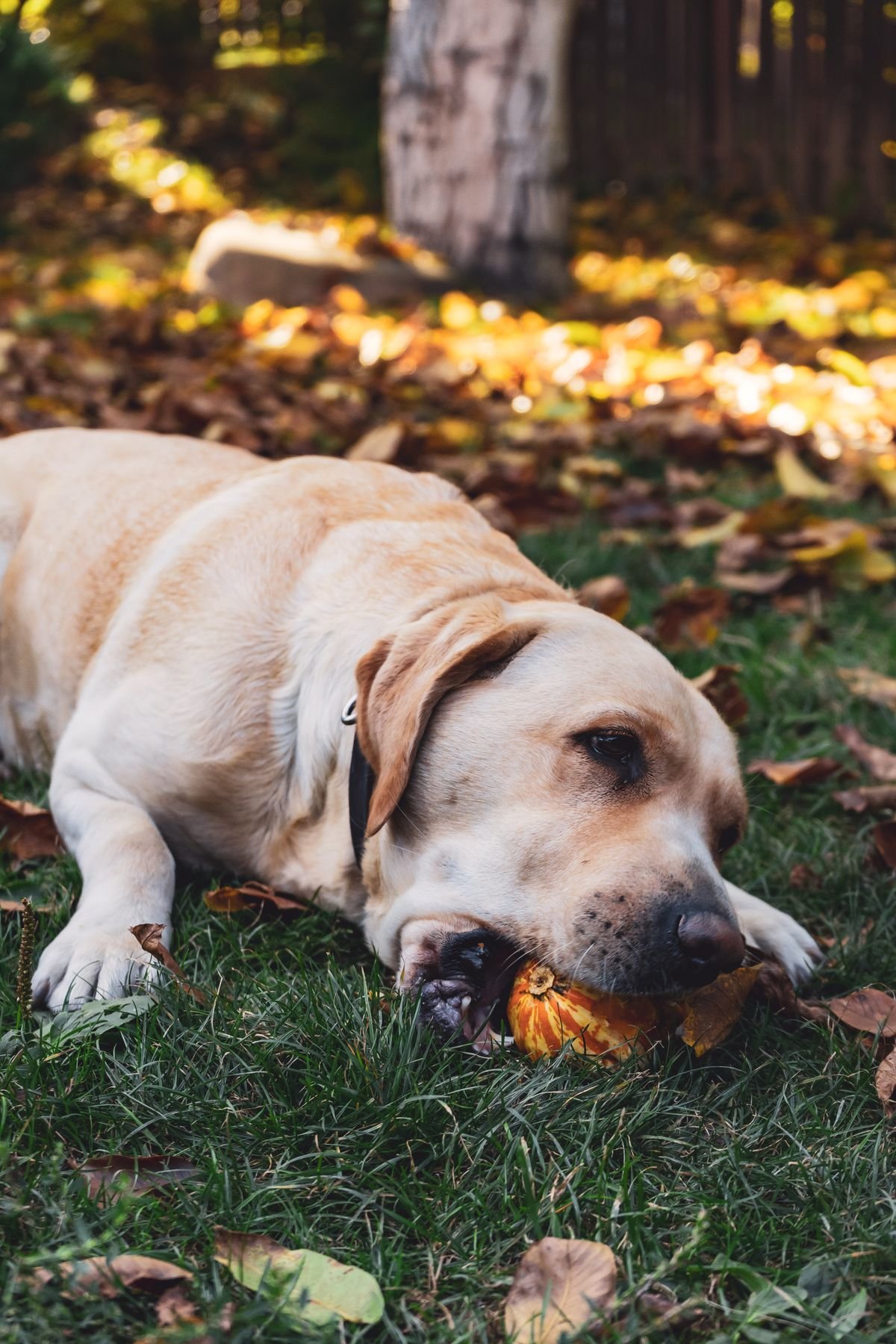
Is Dog Eating Grass Normal?
Yes, for most dogs. Grass eating (sometimes called a form of pica, which means eating non-food items) is one of the most common behaviors owners ask vets about. Research and veterinary surveys suggest that a large share of dogs eat plants regularly, and most of them are otherwise healthy. Wild relatives of dogs, such as wolves, also eat plant material, which suggests the habit is natural.
The American Kennel Club notes that most grass-eating dogs are not sick beforehand, and only a small number vomit afterward. In other words, dog eating grass is usually not a sign of a hidden emergency.
7 Reasons Behind Dog Eating Grass
1. Natural instinct
Dogs are omnivores in practice. Their ancestors ate whole prey, including the stomach contents of plant-eating animals. Some experts believe dog eating grass is a leftover instinct that may once have helped wild canines clear intestinal parasites.
2. Boredom
Dogs that do not get enough exercise or mental stimulation often find their own entertainment. Chewing grass is an easy, satisfying activity when there is nothing else to do. If your dog mostly eats grass when left alone in the yard, boredom is a likely cause.
3. They like the taste or texture
Some dogs simply enjoy fresh grass, especially new spring growth that is tender and sweet. Many owners notice their dog prefers certain types of grass or only eats it after rain. Taste is a surprisingly common and harmless reason.
4. Need for more fiber
Grass contains fiber, and some dogs may eat it to help digestion. There are case reports of dogs that stopped eating grass after switching to a higher-fiber diet. If your dog eats grass every day, ask your vet whether a diet change could help.
5. Upset stomach
This is the most popular theory: that dogs eat grass to make themselves vomit when they feel sick. It may be true for some dogs, but studies suggest it is not the main reason for most. Still, if your dog eats grass quickly and urgently, then vomits, an upset stomach is possible. Our guide to the best dog food for sensitive stomachs can help if digestive problems are frequent.
6. Anxiety or stress
Like chewing furniture or licking paws, dog eating grass can be a self-soothing behavior. Changes at home, separation from the owner, loud noises or a new pet can trigger it.
7. Attention seeking
If your dog learns that eating grass makes you run over, talk, or chase them, they may repeat it to get your attention. Dogs are very good at repeating what works.
Dog Eating Grass and Vomiting: Should You Worry?
Occasional vomiting after eating grass is usually not serious. Grass blades can tickle the throat and stomach lining, which may trigger vomiting in some dogs. If your dog throws up once, then acts completely normal, eats, drinks, and plays, you can usually monitor at home.
Contact your veterinarian if you notice any of the following:
- Vomiting more than once or twice in 24 hours
- Blood in vomit or stool, or black, tarry stool
- Diarrhea that lasts more than a day
- Lethargy, weakness, or hiding
- Loss of appetite or refusing water
- A swollen, hard, or painful belly
- Repeated retching without bringing anything up (this can signal bloat, an emergency in large dogs)
- Weight loss over several weeks
| Situation | Likely meaning | What to do |
|---|---|---|
| Nibbles grass calmly, no other symptoms | Normal behavior | Make sure the grass is chemical-free |
| Eats grass, vomits once, then acts normal | Mild stomach irritation | Monitor for 24 hours |
| Eats grass frantically every day | Possible digestive issue, boredom or anxiety | Talk to your vet and increase activity |
| Vomiting plus lethargy, pain, or blood | Possible medical problem | Call your vet the same day |
| Ate grass treated with chemicals or a toxic plant | Possible poisoning | Call your vet or a pet poison hotline right away |

The Real Risks of Dog Eating Grass
The grass itself is rarely the problem. The risks usually come from what is on it or growing near it.
Pesticides, herbicides and fertilizers
Lawn treatments can irritate the stomach or cause poisoning if swallowed in large amounts. Avoid letting your dog graze on lawns you do not know, parks that are sprayed, or roadsides. If you treat your own lawn, choose pet-safe products and follow the label’s drying time.
Toxic plants mixed with grass
Some common garden plants are toxic to dogs, including sago palm, azaleas, oleander, lilies of the valley and foxglove. The ASPCA’s toxic plant list is a useful reference to check your yard.
Parasites
Grass contaminated by other animals’ feces can carry intestinal parasites such as roundworms or hookworms. Keep your dog on a regular deworming and parasite prevention plan recommended by your vet.
Foxtails and grass awns
Sharp seed heads called foxtails can get stuck in the nose, ears, paws or throat. In summer, avoid dry, seeding grasses and check your dog after walks.
How to Stop Your Dog Eating Grass
If the habit is mild and your dog is healthy, you do not have to stop it completely. But if you want to reduce dog eating grass, these steps help:
- Increase exercise. Longer walks, fetch, and play reduce boredom-driven grazing.
- Add mental enrichment. Puzzle feeders, snuffle mats, and short training sessions keep the brain busy.
- Teach a “leave it” cue. Reward your dog for turning away from grass on command.
- Bring a chew toy outside. Give your dog something better to chew.
- Review the diet. Ask your vet whether more fiber or a different food could help. Safe high-fiber additions may include small amounts of plain cooked pumpkin or green beans, but check first. Our guide on which human foods are safe for dogs explains what to avoid.
- Offer safe dog grass. Some owners grow wheatgrass or oat grass in a pot so their dog can graze safely.
- Supervise in risky areas. Use a leash in parks and on treated lawns.
- Do not punish. Scolding can create stress, which may make the behavior worse.
What Research Says About Dog Eating Grass
Scientists have studied plant eating in dogs for years, mostly through large owner surveys. The main findings are consistent: grass is the plant dogs eat most often, the behavior appears in dogs of all ages, breeds, and diets, and most dogs that eat grass look healthy before they do it. Vomiting afterward happens in a minority of cases, and younger dogs tend to eat plants more often than older dogs.
These findings support the idea that dog eating grass is mainly a normal, inherited behavior rather than a symptom of disease. At the same time, researchers agree that a sudden change in grass-eating habits can still signal a digestive problem in an individual dog, so context matters.
What Your Vet May Check
If you bring your dog in because of frequent grass eating, your vet will usually start with simple questions about diet, routine, and other symptoms. Depending on what they find, they may suggest:
- A physical exam to check the belly, mouth, teeth, and hydration.
- A fecal test to look for intestinal parasites.
- Blood work to check organ function, especially in older dogs.
- X-rays or ultrasound if they suspect a blockage or other internal problem.
- A diet trial, for example a higher-fiber or easily digestible food for several weeks.
Writing down when your dog eats grass, how much, and what happens afterward makes the visit much more useful.
Home Care After Your Dog Eats Grass and Vomits
If your dog vomits once after eating grass and otherwise seems fine, these simple steps can help their stomach settle:
- Offer small amounts of fresh water rather than a full bowl at once.
- Skip the next meal or offer a small portion of their regular food a few hours later, unless your vet advises otherwise.
- Keep activity calm for the rest of the day.
- Watch closely for more vomiting, diarrhea, or low energy over the next 24 hours.
- Never give human medicines without asking your vet first; some common drugs are dangerous for dogs.
If symptoms return or get worse, stop home care and call your vet. Repeated episodes of dog eating grass followed by vomiting are a good reason to book a checkup, even if each episode seems mild.
Simple Enrichment Ideas to Reduce Grazing
- Scatter a few kibbles in the grass and let your dog sniff them out instead of chewing the lawn.
- Use a frozen lick mat or stuffed chew toy after walks.
- Rotate toys every few days so they stay interesting.
- Practice short training games, such as “find it,” “touch,” or “leave it,” during yard time.
- Add a second short walk or a sniff walk where your dog can explore at their own pace.
Dog Eating Grass Suddenly: What Changed?
When a dog that never cared about grass suddenly starts eating it all the time, it is worth looking for a trigger. A sudden change in behavior is more meaningful than a lifelong habit. Ask yourself:
- Did you recently change food, treats, or feeding times?
- Has your dog eaten something unusual, such as garbage, bones, or table scraps?
- Have there been changes at home, like a move, a new baby, or a new pet?
- Is your dog getting less exercise than usual because of weather or schedule changes?
- Are there other signs, like lip licking, gulping, gurgling stomach noises, or drooling?
Lip licking, gulping and frantic grass eating together can point to nausea or acid reflux. In that case, your vet may suggest a diet adjustment, smaller and more frequent meals, or medication. Sudden dog eating grass combined with other digestive signs should not be ignored.
Dog Eating Grass: Myths vs. Facts
| Myth | Fact |
|---|---|
| Dogs only eat grass when they are sick. | Most grass-eating dogs show no signs of illness beforehand. |
| Dog eating grass always leads to vomiting. | Only a minority of dogs vomit after eating grass. |
| It means your dog has a nutritional deficiency. | Dogs on complete, balanced diets eat grass too; fiber may play a role for some. |
| Grass is toxic to dogs. | Plain, untreated grass is not toxic; chemicals and other plants are the real danger. |
| You must stop the habit completely. | Occasional grazing on safe grass is usually fine for healthy dogs. |
Do Puppies and Senior Dogs Eat Grass for Different Reasons?
Puppies explore the world with their mouths. Dog eating grass in puppies is often curiosity or teething. Supervise closely, because puppies are also more likely to swallow sticks, stones, or toxic plants. Our puppy care guide covers safe chewing habits.
Senior dogs that start eating grass suddenly deserve a closer look, because older dogs are more likely to have digestive, kidney, liver or dental problems that can change appetite and behavior. A routine senior checkup is the best first step.
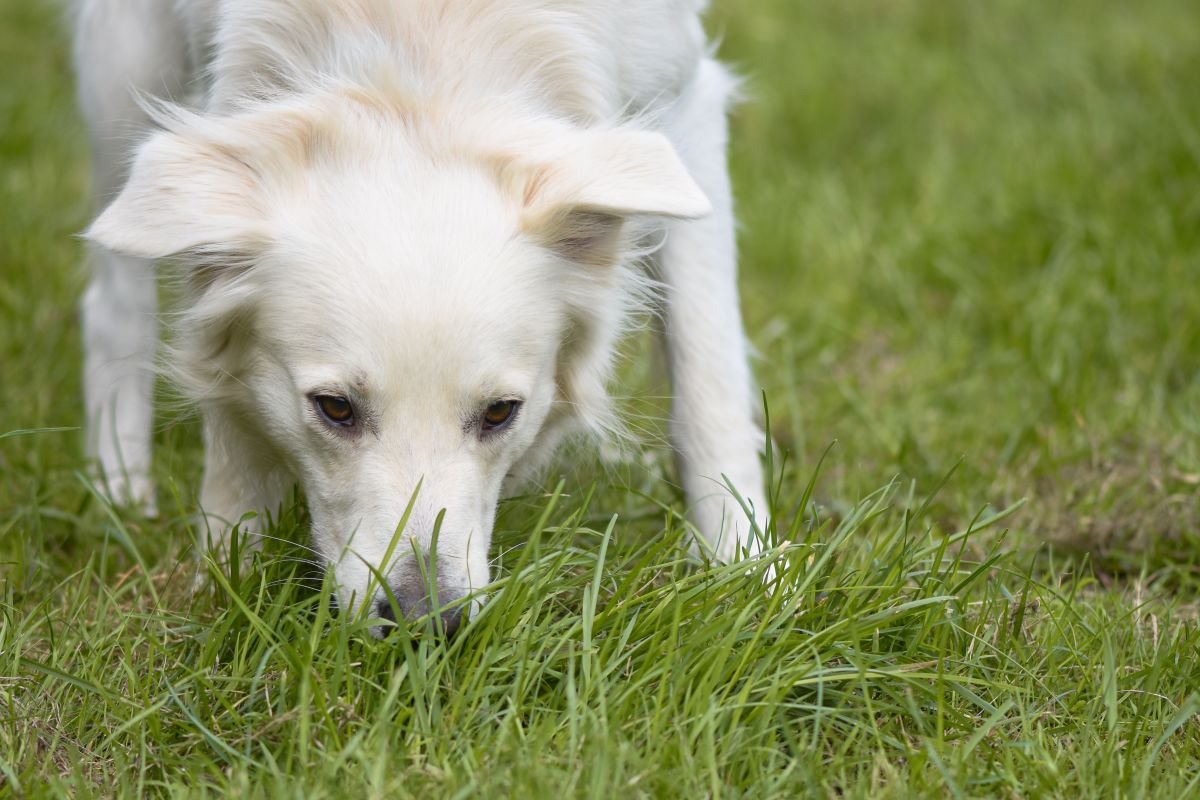
When to Call the Vet
Call your veterinarian if dog eating grass is new and intense, happens together with vomiting, diarrhea, appetite changes, or weight loss, or if you think your dog ate treated grass or a toxic plant. In a suspected poisoning, call your vet, an emergency clinic, or a pet poison hotline right away, even if your dog seems fine. Vet visits for stomach problems are among the most common pet insurance claims. If you want to be ready for unexpected bills, read Is Pet Insurance Worth It?
Frequently Asked Questions About Dog Eating Grass
Why is my dog eating grass like crazy?
Frantic, urgent grass eating can mean your dog feels nauseous or has an upset stomach. It can also be a sign of boredom or anxiety. If it continues for more than a day, or comes with vomiting or other symptoms, contact your vet.
Should I let my dog eat grass?
Occasional grass eating on untreated lawns is generally safe for healthy dogs. Avoid areas with pesticides, fertilizers, or unknown plants, and talk to your vet if the habit becomes excessive.
Does dog eating grass mean they are hungry?
Sometimes. Some dogs eat grass when meals are far apart or portions are small. Splitting daily food into more frequent meals may help, but check portions with your vet first.
Is dog eating grass a sign of worms?
It can be, though it is not a reliable sign by itself. Other signs of worms include weight loss, a pot-bellied look, scooting, or worms visible in stool. Regular deworming is the best prevention.
Why does my dog eat grass in the morning?
An empty stomach in the morning can lead to bile buildup and mild nausea. Some dogs eat grass before breakfast for this reason. A small bedtime snack, approved by your vet, sometimes helps.
What grass is safe for dogs to eat?
Untreated lawn grass, wheatgrass, and oat grass are generally considered safe in small amounts. Always avoid grass treated with chemicals and plants you cannot identify.
Dog-Safe Yard Checklist
- Use pet-safe lawn products, or none at all, in areas where your dog plays.
- Remove or fence off toxic plants such as sago palm, azaleas, and oleander.
- Pick up feces daily to limit parasites.
- Mow regularly in summer to reduce foxtails and grass seeds.
- Keep a small pot of wheatgrass or oat grass as a safe grazing option.
- Save your vet’s number and a pet poison hotline number in your phone.
A safe yard means you can relax when your dog nibbles a few blades, because the main risks are already under control.
Final Thoughts
For most pets, dog eating grass is a normal, harmless habit driven by instinct, boredom, taste, or a need for fiber. Keep the grass chemical-free, watch for warning signs like repeated vomiting or lethargy, and give your dog plenty of exercise and enrichment. If the habit changes suddenly or comes with other symptoms, a quick vet visit gives you peace of mind.
Disclaimer: This article is for general information only and is not a substitute for professional veterinary advice. If your dog seems unwell or may have eaten something toxic, contact your veterinarian immediately.