
How Cold Is Too Cold for Dogs? 9 Essential Winter Rules to Keep Your Pup Safe and Happy
Quick answer: Most dogs are comfortable down to about 45°F (7°C). Below 32°F (0°C), small, thin-coated, young, senior and sick dogs need a coat and shorter walks. Below 20°F (-7°C), all dogs are at risk of hypothermia and frostbite, so keep outings brief. Wind, wet weather and your dog’s size and coat all change the safe limit.
Your dog is at the door, tail going, leash in mouth. Outside, the car thermometer says 18°F and the wind is doing that thing where it finds every gap in your jacket. So, honestly: how cold is too cold for dogs, and should today’s walk be five minutes or forty?
There’s no single number that fits every dog. A Siberian Husky and a Chihuahua live in the same winter but not in the same body. Still, vets and animal welfare groups use a pretty consistent set of temperature ranges, and once you know them (plus a few red flags), winter gets a lot less stressful. Let’s walk through it.
The Short Answer: How Cold Is Too Cold for Dogs?
For most healthy dogs, here’s the rough guide many vets share:
- Above 45°F (7°C): comfortable for nearly all dogs.
- 32–45°F (0–7°C): fine for most, but small, short-haired, very young and senior dogs may start to feel it.
- 20–32°F (-7–0°C): small and thin-coated dogs need a coat and shorter outings. Keep an eye on everyone.
- Below 20°F (-7°C): risky for all dogs if they stay out long. Hypothermia and frostbite become real possibilities.
Those numbers are air temperature. Wind, rain, wet snow and how long your dog is outside all change the picture. A dry, still 25°F afternoon feels very different from a damp, windy 35°F evening.
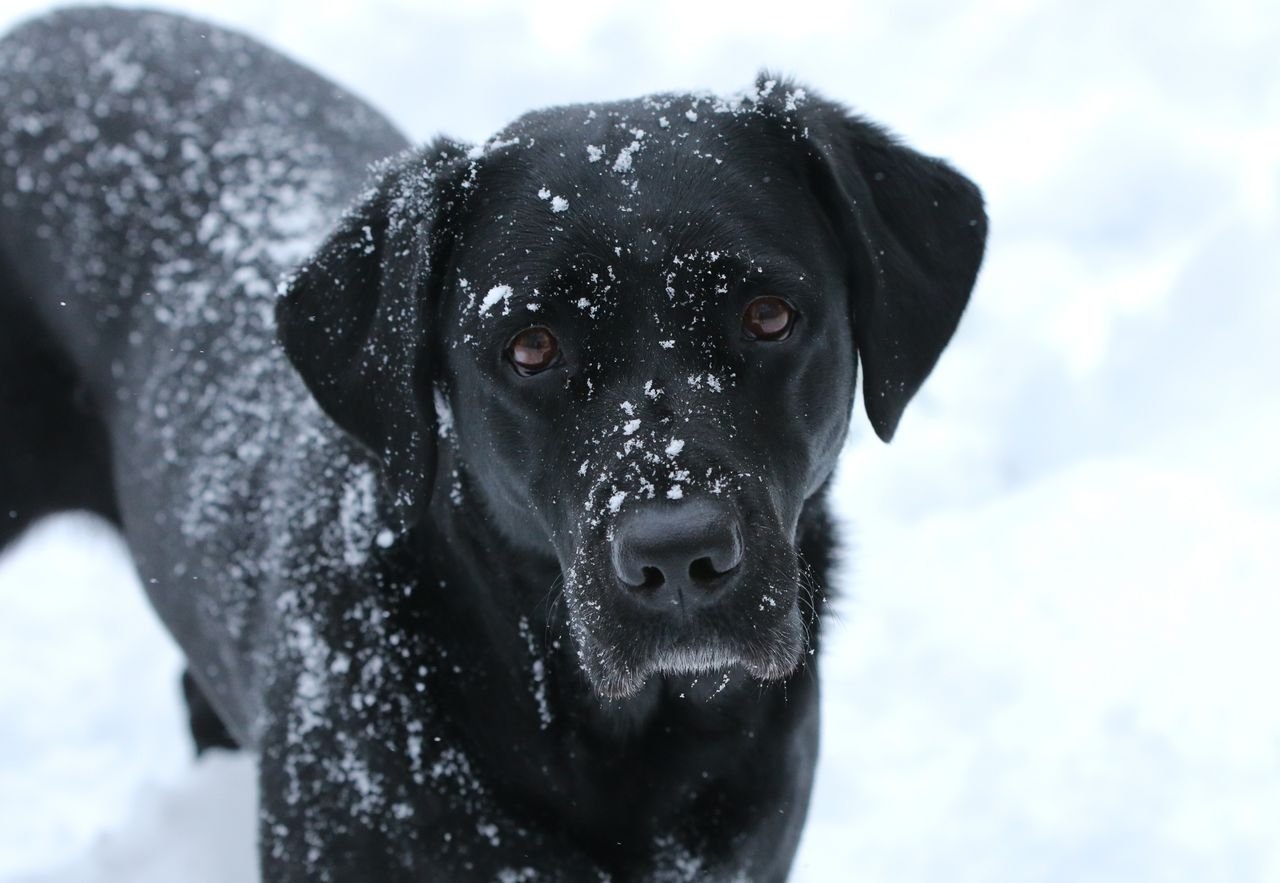
Temperature Chart by Dog Size and Coat
When people ask how cold is too cold for dogs, what they really mean is “how cold is too cold for my dog.” Size and coat are the two biggest factors, so here’s a quick chart to make it personal.
| Dog type | Usually OK | Use caution | Keep it very short |
|---|---|---|---|
| Small, short coat (Chihuahua, Min Pin, Italian Greyhound) | Above 45°F | 32–45°F | Below 32°F |
| Medium, short coat (Boxer, Beagle, Pit Bull type) | Above 40°F | 25–40°F | Below 25°F |
| Medium to large, double coat (Lab, Golden, Aussie) | Above 30°F | 15–30°F | Below 15°F |
| Cold-weather breeds (Husky, Malamute, Newfoundland) | Above 20°F | 0–20°F | Below 0°F |
Treat this as a starting point, not a rule. A ten-year-old Lab with arthritis may need the “small dog” column on a bad day.
Why Some Dogs Feel the Cold More
It isn’t just fluff. A few things change how a dog handles winter:
- Body size. Small dogs lose heat faster because they have more skin surface compared with their body mass. They’re also closer to the cold ground and wet snow.
- Coat type. Double coats trap warm air. Single, thin coats (Greyhounds, Whippets, Dobermans) don’t.
- Body fat. Lean, athletic dogs have less insulation.
- Age. Puppies can’t regulate temperature well yet, and seniors often have less muscle and slower circulation.
- Health. Dogs with heart disease, kidney disease, diabetes or hormone problems such as hypothyroidism can struggle with cold. If your dog has a medical condition, ask your vet what’s safe.
- What they’re used to. A dog who spends winter indoors in a warm apartment hasn’t built up the same tolerance as a farm dog.
If you share your home with a tiny breed, our guide to the best small dog breeds for apartments has extra tips on keeping little dogs comfortable indoors.
Rule 1: Watch Your Dog, Not Just the Thermometer
Your dog will usually tell you how cold is too cold for dogs like them, if you know what to look for. Early signs they’re done:
- Shivering or trembling
- Lifting paws, hopping, or refusing to walk
- Tucked tail and hunched posture
- Whining or pulling back toward home
- Looking for shelter, like hiding behind your legs
When you see these, head home. You haven’t failed the walk. You’ve done exactly the right thing.
Rule 2: Know the Signs of Hypothermia
Hypothermia happens when body temperature drops below normal. It can start mild and become serious quickly. Watch for:
- Strong shivering that later stops (that’s a bad sign, not a good one)
- Weakness, clumsiness or stumbling
- Slow, shallow breathing
- Pale or bluish gums
- Seeming confused, sleepy or unresponsive
If you suspect hypothermia, get your dog somewhere warm, wrap them in dry blankets (towels from the dryer are great), and call your vet or an emergency clinic right away. Don’t use a heating pad directly on the skin or hot water, because it’s easy to burn a cold dog. Gentle, gradual warming is the goal.
Rule 3: Check Ears, Tail and Paws for Frostbite
Frostbite usually hits the parts that stick out: ear tips, tail, toes and paw pads. It can be hard to spot at first. The skin may look pale or grey, feel cold and hard, and later turn red, swollen or painful. Sometimes it doesn’t show for a few days.
Don’t rub frostbitten areas, and don’t use direct heat. Warm the area slowly with lukewarm (not hot) water or warm towels and call your vet. Any suspected frostbite deserves a professional look.
Rule 4: Too Cold for Dogs? Shorten Walks, Don’t Skip Them
Even on days that feel too cold for dogs to be out long, most dogs still need exercise. Pent-up energy turns into chewing, barking and zoomies at 10 p.m. The trick is to split one long walk into two or three shorter ones when it’s cold.
On really frigid days, move some of the work indoors: a game of fetch down the hallway, a sniff-and-find game with treats, or a short training session. Ten minutes of brain work can tire a dog out surprisingly well. Our list of healthy dog treats for training has low-calorie options so the indoor games don’t turn into a weight problem.
Rule 5: Dress Them When It Makes Sense
Coats aren’t just cute photo props. For small dogs, short-coated breeds, seniors and anyone who shivers, a well-fitting coat or sweater really helps. Look for one that:
- Covers the chest and belly, not just the back
- Doesn’t rub under the front legs
- Stays dry, or has a water-resistant outer layer
- Lets your dog pee and poop without getting it dirty
Swap it for a dry one if it gets soaked. A wet coat is colder than no coat.
Dogs with thick double coats (Huskies, Bernese, Malamutes) generally don’t need one and may overheat if they’re running around.
Rule 6: Protect Those Paws
Ice, packed snow and road salt are rough on paw pads. Salt can crack and burn skin, and dogs lick it off later, which can upset their stomach. A few habits help a lot:
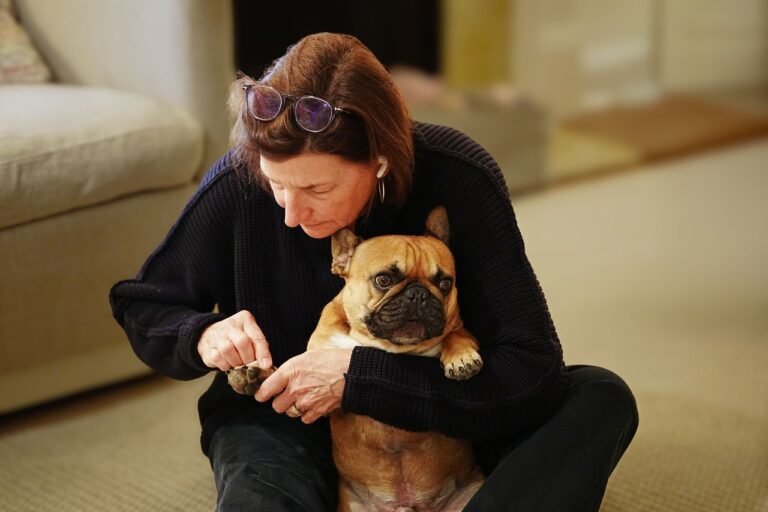
- Trim the fur between the toes so ice balls don’t form. If you’re nervous doing it yourself, our dog grooming tips for beginners walk you through it.
- Use a paw balm before walks to add a protective layer.
- Try dog boots if your dog will tolerate them. Start indoors with treats.
- Wipe paws with a warm damp cloth after every walk to remove salt and de-icer.
- Choose pet-safe ice melt for your own steps and driveway.
Rule 7: Keep Antifreeze and Winter Chemicals Out of Reach
Antifreeze often tastes sweet, and even a small amount can be deadly to dogs and cats. Clean up any drips in the garage right away, store containers sealed and up high, and consider products labeled as less toxic. If you think your dog licked antifreeze, treat it as an emergency and call your vet or a pet poison hotline immediately, even if they seem fine. The ASPCA’s cold weather tips cover more winter hazards worth knowing.
Rule 8: Never Leave a Dog in a Cold Car
We talk a lot about hot cars, but cars act like refrigerators in winter. Temperatures inside drop fast once the engine is off. If you’re running errands, leave your dog at home.
Rule 9: Make Home Cozy Too
Winter safety doesn’t end at the front door. A few small changes help indoor dogs, especially older ones:
- Raise the bed off cold tile floors, or add a thick blanket.
- Keep beds away from drafty doors and windows.
- Older dogs with stiff joints often appreciate an orthopedic or self-warming bed.
- Don’t overdo baths in winter. Wet dogs get chilled, and frequent washing can dry out skin. Our guide on how often you should bathe a dog explains a sensible schedule.
What About Dogs Who Live Outside?
Vets and welfare groups generally recommend bringing dogs indoors when it’s cold, especially overnight. If a dog does spend time outside, they need a dry, insulated, draft-free shelter raised off the ground, with the door facing away from the wind, plus fresh water that doesn’t freeze. Some cities and states also have laws about outdoor shelter and extreme weather, so check your local rules.
Honestly, even tough breeds are happier and safer inside with their people when temperatures drop well below freezing.
How Cold Is Too Cold for Dogs to Walk on Snow or Ice?
The ground temperature matters as much as the air. Icy sidewalks can cause slips, pulled muscles and torn ligaments, especially in older or heavier dogs. Packed snow mixed with salt can sting.
Stick to cleared paths, slow down on ice, and keep your dog on a leash. Frozen lakes and ponds are a hard no: every winter there are sad stories of dogs (and owners trying to save them) falling through thin ice.
How Cold Is Too Cold for Dogs Who Are Puppies or Seniors?
Puppies under about six months and older dogs are the groups to be extra careful with. Puppies are small, have less body fat, and are still building their immune system. Seniors may have arthritis, thinner coats and slower circulation.
For both, think “short and frequent.” A few minutes for potty breaks, then back inside. If you’re house training a new puppy this winter, our potty training guide has tips for keeping a routine when going outside is the last thing anyone wants to do.
How Cold Is Too Cold for Dogs? A Breed and Situation Cheat Sheet
People rarely type the general question. They type their dog’s breed, or the number on their weather app. So here are quick answers to the versions we hear most. Same caveat as before: these are rough guides for healthy adult dogs, and your vet knows your dog best.
How cold is too cold for dogs like Chihuahuas and other toy breeds?
Toy breeds feel it first. Many start shivering in the low 40s°F, and anything near freezing is usually too cold for dogs this small without a coat. Keep outings to quick potty breaks on the coldest days.
How cold is too cold for dogs like Labs and Golden Retrievers?
These double-coated dogs often love winter. Most are comfortable down to around 20°F for normal walks, but long, wet swims or soggy fur change that fast. A soaked Lab at 30°F can get chilled sooner than a dry one at 15°F.
How cold is too cold for dogs like Huskies and Malamutes?
Northern breeds were built for snow, and many happily nap outside in weather that sends us running. Even so, they’re not invincible. Very low temperatures, strong wind and no shelter can be too cold for dogs of any breed, so keep an eye on paws and ears.
How cold is too cold for dogs like Greyhounds and Whippets?
Thin skin, short coat and very little body fat make sighthounds some of the chilliest dogs around. Many need a coat once it drops below about 45°F, and a fleece or sweater indoors isn’t unusual either.
How cold is too cold for dogs like French Bulldogs and Pugs?
Short coats and small bodies mean flat-faced breeds can get cold quickly, and some also struggle to breathe in very cold, dry air. Short, steady walks and a well-fitted coat usually work best.
Is 40 degrees too cold for dogs?
For most dogs, no. At 40°F, small, short-coated, young or senior dogs may appreciate a sweater, but healthy medium and large dogs are usually fine on a normal walk.
Is 30 degrees too cold for dogs?
It depends on the dog. Around 30°F, small and thin-coated dogs should wear a coat and keep walks shorter. Most larger, double-coated dogs handle it well if they’re dry and moving.
Is 10 degrees too cold for dogs?
For most dogs, 10°F is too cold for dogs to be outside for long. Keep walks brief, protect paws, and watch closely for shivering, lifting feet or slowing down. Even cold-weather breeds need shelter at this point.
How cold is too cold for dogs on a long hike?
Hikes are different from neighborhood walks because you can’t just pop home. If you’re planning hours on a trail below freezing, bring a coat, booties, water that won’t freeze, and a plan to turn around early. Pick shorter loops when the forecast is borderline.
How cold is too cold for dogs at night indoors?
Most homes are fine, but a garage, unheated porch or drafty basement can drop well below comfortable overnight. If you’d want a heavy blanket to sleep there, it’s probably too cold for dogs too.
Feeding and Water in Winter
Very active outdoor dogs may burn more calories in winter, while most indoor dogs actually move less. Watch your dog’s body shape rather than automatically feeding more, and ask your vet before making big changes.
Water matters too. Dry indoor heat and cold air can both dehydrate dogs. Keep fresh water available, and if your dog drinks from an outdoor bowl, check that it hasn’t frozen.
A Quick Pre-Walk Checklist
Before you head out on a cold day, run through this:
- Check the temperature and wind chill.
- Coat on for small, short-haired, senior or shivery dogs.
- Paw balm or boots on.
- Reflective leash or light (winter evenings get dark early).
- Plan a shorter loop you can cut even shorter.
- Towel ready by the door for paws when you get home.
When to Call the Vet
Call your vet right away if your dog:
- Stops shivering but seems weak, sleepy or confused after being cold
- Has pale, grey, blue or blackened skin on ears, tail or toes
- Has cracked, bleeding or very sore paw pads
- Might have licked antifreeze or de-icing chemicals
- Is limping after slipping on ice
Emergency visits in winter can be expensive, which is one reason some owners look into coverage before the season starts. If you’ve ever wondered whether it’s worth it for your dog, our honest look at whether pet insurance is worth it breaks down the pros and cons.
Common Questions
How cold is too cold for dogs to sleep outside?
Most vets advise bringing dogs inside overnight once temperatures fall toward freezing, and especially below 20°F. Nights are long, temperatures keep dropping, and you aren’t there to notice early warning signs.
Do dogs feel wind chill?
Yes. Wind strips away the warm layer of air trapped in the coat, so a windy day feels colder to a dog, just like it does to us. Use the wind chill figure, not just the air temperature.
Is it OK if my dog loves rolling in snow?
Plenty of dogs love it, and that’s great. Just watch for wet fur. Once your dog is soaked, they lose heat much faster, so keep the snow fun short and dry them off well afterward.
So, how cold is too cold for dogs in one sentence?
Below about 45°F, start watching small and short-coated dogs; below about 32°F, keep outings short for most dogs; and below about 20°F, all dogs are at risk if they stay out long.
Too Cold for Dogs? The Bottom Line
Winter doesn’t have to mean a bored, stir-crazy dog. Use the chart as a guide, watch your own dog closely, and adjust for wind, wet weather, age and health. Short walks, a good coat for those who need it, clean paws and a warm bed go a long way. And if anything about your dog seems off after time in the cold, trust your gut and call your vet. For more seasonal guidance, the AVMA’s cold weather safety page is a solid, vet-backed read.



One Comment
Comments are closed.