
How to grow dog skin problems relief: 4 ways
Is your furry friend constantly scratching, licking, or showing patches of irritated skin? As a pet parent, witnessing your dog struggle with discomfort can be heart-wrenching. dog skin problems like dermatitis, hot spots, and dog skin allergies are common but often misunderstood. Early intervention and proper care can prevent chronic issues, improve quality of life, and reduce costly vet visits. Let’s explore how to identify, treat, and prevent these pesky problems.
Table of Contents
Materials & Supplies for Managing Canine Skin Health
- Hypoallergenic Shampoo: pH-balanced formulas with oatmeal or aloe vera to soothe irritation.
- Soft-Bristle Brush: For gentle grooming without aggravating sensitive skin.
- Omega-3 Supplements: Fish oil or flaxseed to reduce inflammation.
- Antimicrobial Wipes: For cleaning paws or localized hot spots.
- E-Collar (Optional): Prevents excessive licking/chewing during healing.
- Limited-Ingredient Diet: Helps identify food-related triggers for allergies.
Timing & Healing Process
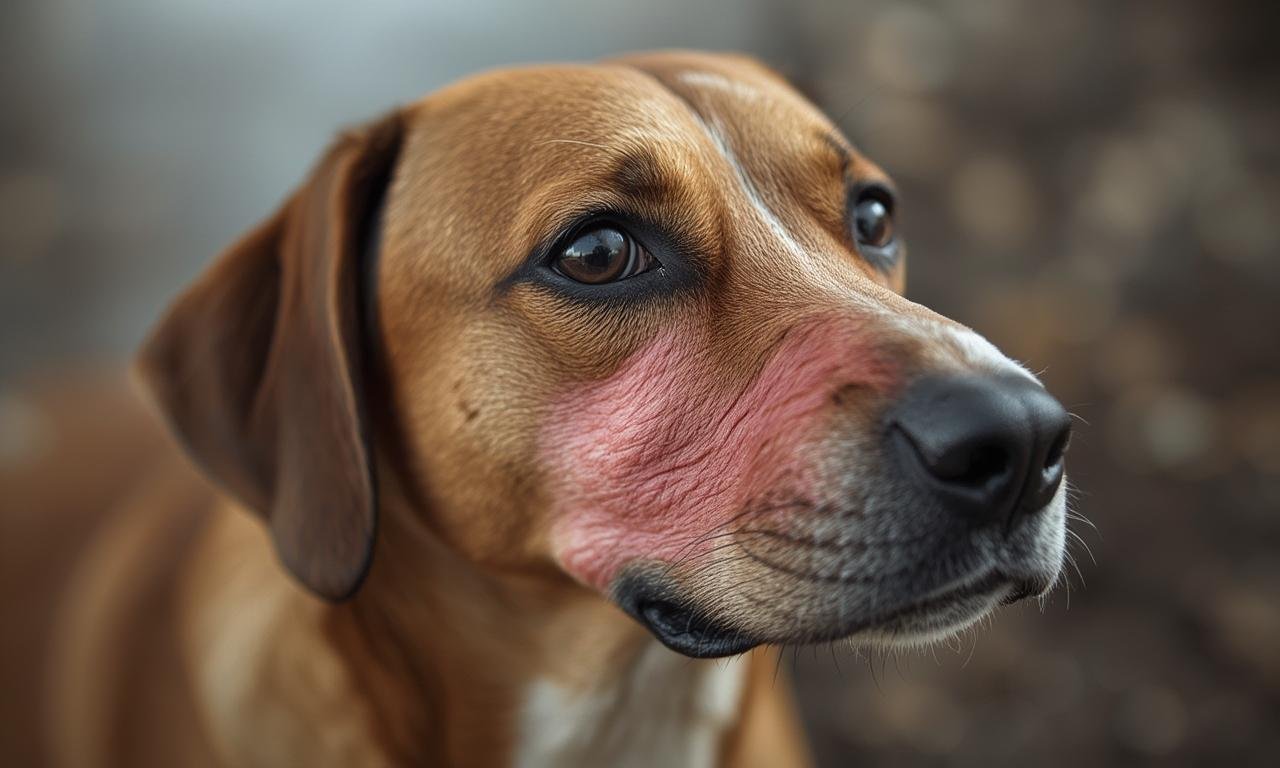
Most mild skin issues show improvement within 1-2 weeks of treatment. Seasonal allergies often flare up in spring/fall, while food-related reactions require a 6-8 week elimination diet for accurate diagnosis. Chronic conditions like atopic dermatitis need lifelong management.
Step-by-Step Skin Care Protocol

- Identify Triggers: Track symptoms (scratching, redness) alongside environmental changes or food introductions. Document patterns to distinguish between dog skin problems caused by allergens versus infections.
- Gentle Cleansing: Bathe every 7-10 days using lukewarm water. Massage shampoo into coat for 5+ minutes before rinsing thoroughly.
- Moisturize & Protect: Apply vet-approved creams to dry patches. Use booties during walks if pollen or grass triggers dog skin allergies.
- Diet Adjustment: Transition to hydrolyzed protein or novel protein foods under veterinary guidance.
Key Benefits of Proactive Skin Care
- Reduces secondary infections from scratching/licking
- Improves coat shine and skin elasticity with essential fatty acids
- Minimizes stress-related behaviors caused by chronic discomfort
- Saves long-term costs on emergency treatments
Alternative Approaches & Specialized Care
- Allergy Testing: Blood or intradermal tests pinpoint specific environmental triggers
- CBD Topicals: Emerging research shows reduced inflammation in 68% of dogs (Cornell University Study)
- Microbiome Support: Probiotic supplements balance skin flora against yeast overgrowth
Common Mistakes to Avoid

- Mistake: Over-bathing (strips protective oils)
Fix: Limit baths to 2x/month unless medicated
- Mistake: Using human shampoo
Fix: Always choose canine-specific formulas
- Mistake: Delaying vet visits for open sores
Fix: Seek care within 48 hours to prevent MRSA risk
- Mistake: Over-bathing (strips protective oils)
Long-Term Maintenance Tips
- Wash bedding weekly in hypoallergenic detergent
- Use monthly flea prevention year-round
- Trim paw hair to reduce allergen accumulation
- Schedule biannual dermatology check-ups for chronic conditions
Conclusion
Managing your dog’s skin health requires vigilance but pays off in tail wags and restored comfort. By recognizing early signs of dog skin problems and understanding common triggers for dog skin allergies, you can create a personalized care plan. Share your success stories in the comments below and explore our guide to probiotic-rich foods for enhanced skin immunity!
FAQs
Q: Can chicken cause skin allergies?
A: Yes – poultry is among the top 5 food allergens. Switch to salmon or venison-based diets if suspected.
Q: Are certain breeds more prone to skin issues?
A: Bulldogs, Retrievers, and Terriers have higher genetic predisposition due to skin fold anatomy.
Q: How often should I brush my dog’s coat?
A: 3-4x weekly for long-haired breeds, 1-2x for short coats to distribute natural oils.
Q: Are supplements effective for skin health?
A: Studies show omega-3s reduce itching in 59% of cases when used consistently for 60+ days.
List

Healthy Dog Treats for Training: Nutritious Snacks to Reward Your Pup

Best Cat Food for Senior Cats: Nourish Your Older Feline

Easy Homemade Dog Food Recipes: Delicious Meals Your Pup Will Love

Best Dog Food for Sensitive Stomachs: Top Picks for Digestion-Friendly Meals

Small Dog Breeds for Apartment Living