Healthy Dog Treats for Training: Nutritious Snacks to Reward Your Pup
Training your furry friend requires patience, consistency, and the right incentives. Using Healthy dog treats for training can make the process significantly more effective while ensuring your pet stays in optimal health. Many commercial options contain artificial preservatives, excessive calories, and potential allergens, which is why homemade alternatives are gaining popularity. Today, we’ll explore how to create nutritious, Low-Calorie Training Treats for Dogs that will keep your pup motivated without compromising their health.
Materials & Supplies
Before starting, gather these essential ingredients and tools:
Basic Ingredients:
– 2 cups whole wheat flour (or oat flour for grain-sensitive dogs)
– 1 cup pure pumpkin puree (not pie filling)
– 2 eggs
– 1/4 cup natural peanut butter (xylitol-free)
– 1 tablespoon coconut oil
Optional Flavor Enhancers:
– 1/4 cup unsweetened applesauce
– 2 tablespoons plain Greek yogurt
– 1 tablespoon honey
– Fresh herbs (parsley, mint)
Kitchen Equipment:
– Mixing bowls
– Baking sheets
– Parchment paper
– Cookie cutter (small size for training treats)
– Food processor or blender
– Measuring cups and spoons
– Airtight storage containers
Timing / Growing Schedule
The homemade treat-making process follows a predictable timeline:
Preparation Phase:
– Ingredient gathering: 15-20 minutes
– Mixing and preparing dough: 10-15 minutes
Cooking Phase:
– Baking time: 20-30 minutes (varies by recipe)
– Cooling period: 1-2 hours
Preservation Timeline:
– Room temperature storage: 3-5 days
– Refrigerated storage: 2 weeks
– Frozen storage: Up to 3 months
The total active time investment is approximately 45 minutes to an hour, with most recipes yielding 4-6 weeks of training treats when properly stored and portioned.
Step-by-Step Instructions
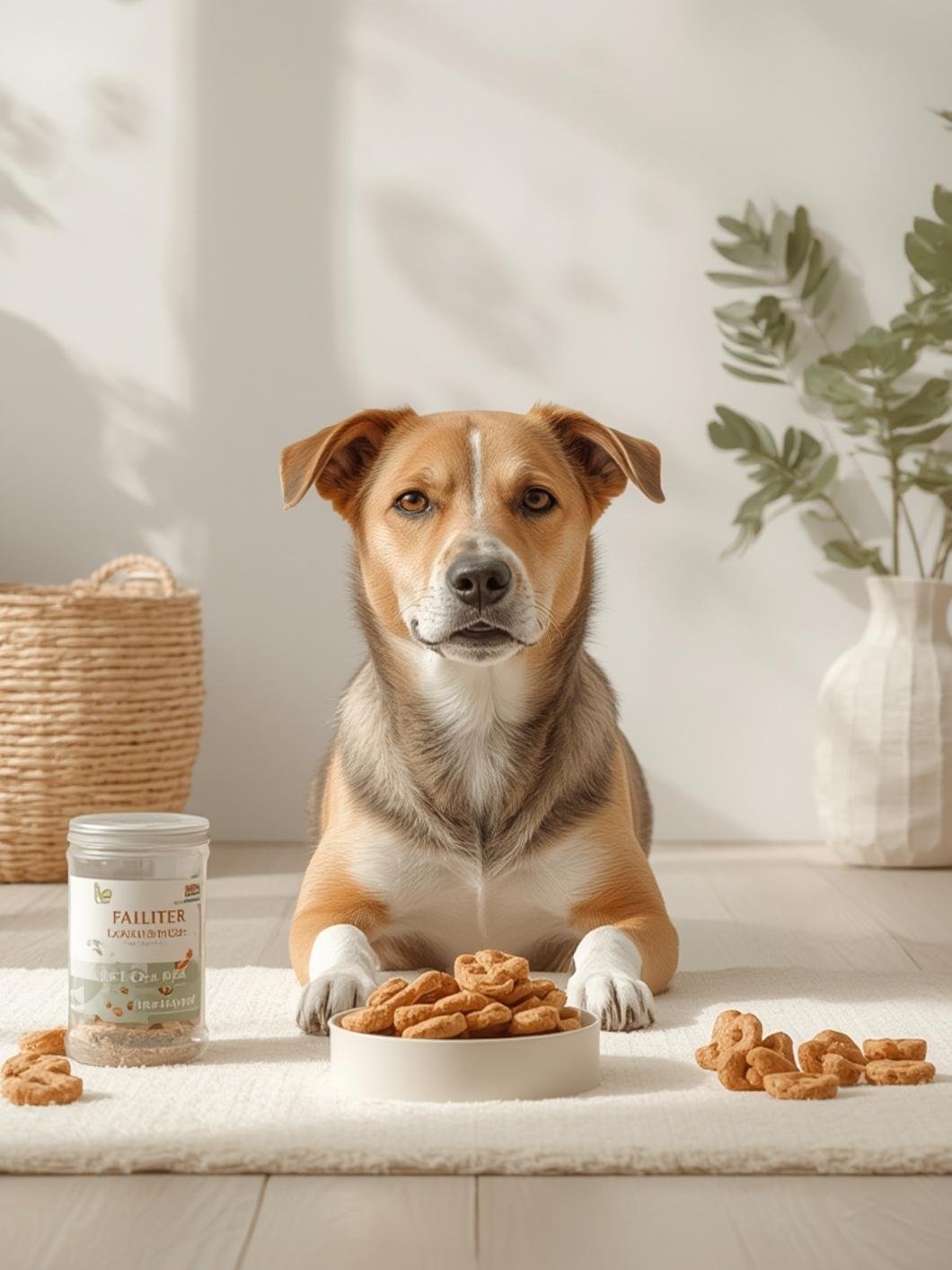
1. Preheat your oven to 350°F (175°C) and line baking sheets with parchment paper.
2. Mix wet ingredients in a large bowl – combine eggs, pumpkin puree, and peanut butter until smooth.
3. Incorporate dry ingredients by gradually adding flour to the wet mixture, stirring until a workable dough forms.
4. Roll out the dough to approximately 1/4-inch thickness on a lightly floured surface.
5. Cut into small pieces using a pizza cutter or small cookie cutter – remember that Healthy dog treats for training should be tiny (about the size of a pea for small dogs and a dime for larger breeds).
6. Arrange on baking sheets, leaving small spaces between treats.
7. Bake for 15 minutes, then reduce heat to 200°F and continue baking for another 10-15 minutes for crispier treats, making perfect Low-Calorie Training Treats for Dogs.
8. Allow to cool completely before serving or storing.
Nutritional Benefits / Advantages
These homemade treats offer significant advantages over commercial options:
– Controlled Ingredients: You decide exactly what goes into your dog’s rewards.
– Reduced Sodium: Most commercial treats contain excessive salt.
– No Artificial Preservatives: Homemade options eliminate BHA, BHT, and other questionable additives.
– Customizable for Dietary Needs: Easily adapted for allergies or sensitivities.
– Higher Quality Protein: Choose premium protein sources your dog loves.
– Freshness Factor: No long shelf-life additives means fresher taste that dogs prefer.
– Cost-Effective: Bulk preparation saves money compared to premium training treats.
Tips, Alternative Methods
– Size Matters: Smaller treats mean more rewards without calorie overload.
– Freezer-Ready Batches: Prepare multiple batches and freeze in portions.
– Protein Variations: Substitute cooked, shredded chicken or turkey for higher-value rewards.
– Single-Ingredient Options: Try dehydrated sweet potatoes, apples, or carrots as simple alternatives.
– Texture Adaptations: Some dogs prefer chewy treats, while others respond better to crunchy ones.
– Food Processor Method: Blend cooked lean meat with vegetables for quick, soft treats.
– Silicone Ice Cube Trays: Use tiny molds for perfectly portioned frozen treats.
Common Mistakes to Avoid
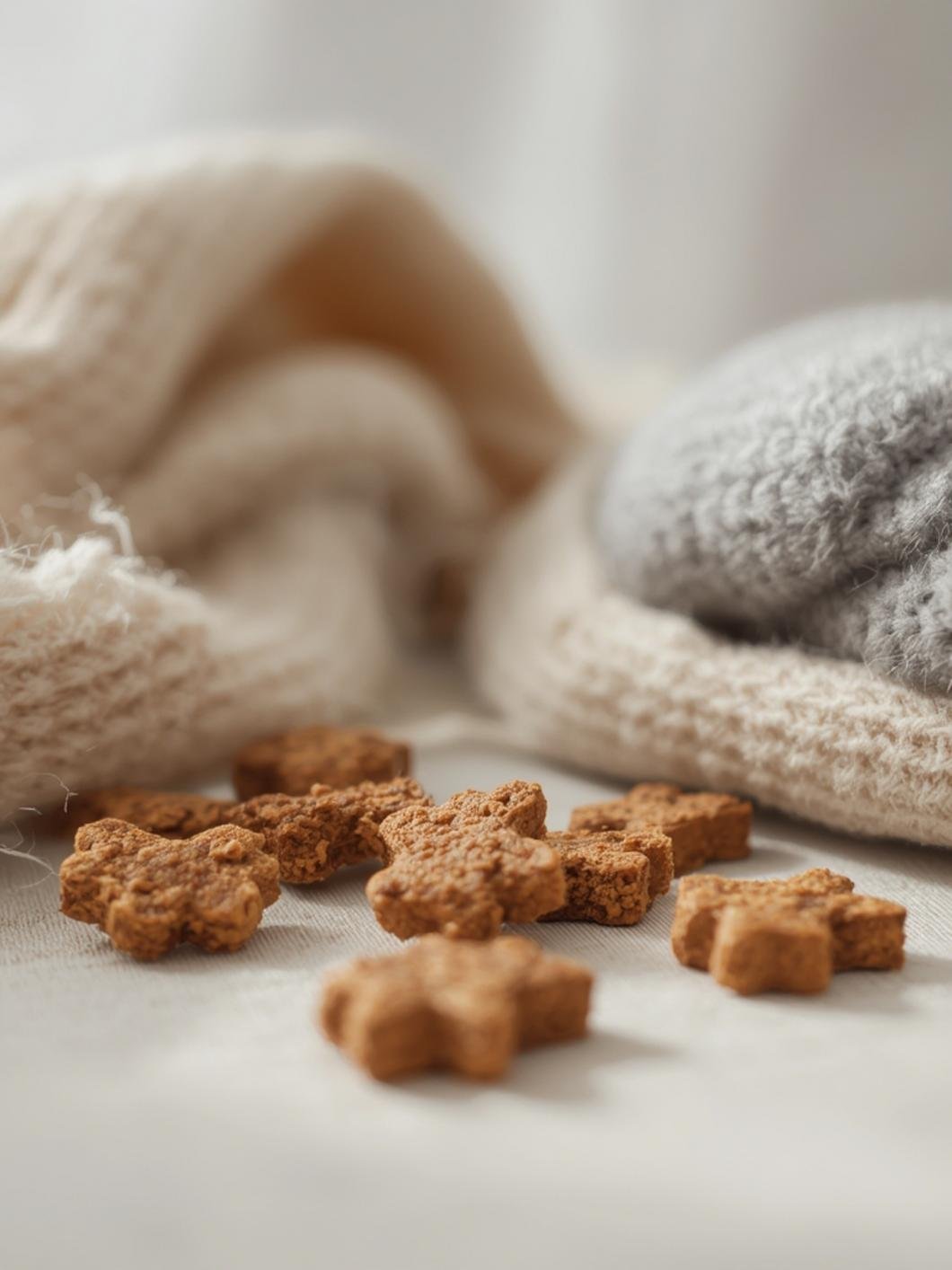
1. Oversized Treats: Training requires many repetitions; keep treats tiny to prevent weight gain.
2. Dangerous Ingredients: Never use chocolate, xylitol, grapes, raisins, onions, or garlic.
3. Too Much Variety: Introducing too many new ingredients at once can cause digestive upset.
4. Improper Storage: Homemade treats without preservatives spoil faster than commercial ones.
5. Ignoring Allergies: Always consider your dog’s specific dietary restrictions.
6. Nutritional Imbalance: Treats should complement, not replace, balanced meals.
7. Improper Texture: Hard treats may be inappropriate for puppies or seniors.
Storage / Maintenance Tips
Proper storage ensures your homemade treats remain fresh and safe:
– Counter Storage: Keep in airtight containers for 3-5 days maximum.
– Refrigeration: Extend shelf life to 2 weeks using sealed containers.
– Freezer Method: Portion treats in small freezer bags for up to 3 months.
– Dehydration: Using a dehydrator increases shelf stability significantly.
– Moisture Control: Include a food-safe silica packet to prevent mold growth.
– Labeling System: Mark containers with preparation dates to track freshness.
– Temperature Sensitivity: Avoid storing treats in hot or humid locations.
Conclusion
Creating your own Healthy dog treats for training allows you to prioritize your dog’s nutritional needs while maintaining the high-value reward system necessary for effective training. The process doesn’t need to be complicated – even simple recipes can produce excellent results that your dog will love. By preparing Low-Calorie Training Treats for Dogs at home, you’re investing in both your dog’s health and training success. Try these recipes today and watch how your pup’s engagement and motivation during training sessions improve!
FAQs
How long do homemade dog treats last?
Homemade treats typically last 3-5 days at room temperature, about 2 weeks when refrigerated, and up to 3 months when frozen. Always check for signs of spoilage before giving treats to your dog.
Can I use regular flour if I don’t have whole wheat?
Yes, regular all-purpose flour works fine, though whole wheat provides more fiber. For dogs with grain sensitivities, consider alternatives like oat, coconut, or chickpea flour.
How many treats should I give during training sessions?
Treats should make up no more than 10% of your dog’s daily caloric intake. For a typical training session, 20-30 tiny treats may be appropriate, but adjust based on your dog’s size and dietary needs.
Are these treats suitable for puppies?
Most homemade treats are appropriate for puppies, but ensure they’re soft enough for developing teeth and sized appropriately to prevent choking hazards.
Can I add supplements to these treats?
Yes, training treats make excellent vehicles for supplements like fish oil, glucosamine, or probiotics. Just ensure any additions are appropriate for your dog’s specific health needs and approved by your veterinarian.
List
Healthy Dog Treats for Training: Nutritious Snacks to Reward Your Pup
Best Cat Food for Senior Cats: Nourish Your Older Feline
Easy Homemade Dog Food Recipes: Delicious Meals Your Pup Will Love
Best Dog Food for Sensitive Stomachs: Top Picks for Digestion-Friendly Meals

Small Dog Breeds for Apartment Living