Dog Vaccination Schedule: The Essential Puppy-to-Senior Guide (With a Simple Chart)
Quick answer: Puppies get core vaccines (distemper, parvovirus, adenovirus and parainfluenza) every 3 to 4 weeks from 6 to 8 weeks old until at least 16 weeks, plus rabies at 12 to 16 weeks. Adult dogs get a booster at about one year, then core vaccines every 3 years and rabies every 1 to 3 years, depending on state law.
Bringing home a puppy comes with a surprising amount of paperwork. Somewhere between the crate, the leash and the chew toys, you’re handed a little card full of dates, abbreviations and “come back in three weeks.” If you’ve ever stared at it wondering what DAPP means or why your puppy needs so many shots, this is for you.
Below is a plain-English vaccination schedule for dogs, from the first puppy visit to the senior years, plus the “why” behind it. It follows the general approach used by major veterinary groups in the US, but every dog is different, and local disease risks and laws vary. Use this as a guide for a better conversation with your vet, not a replacement for it.
Why a Vaccination Schedule Matters
Puppies get some protection from their mother’s milk, but it fades over the first few months, and nobody can predict exactly when. That’s the reason puppies get a series of shots rather than just one. The goal is to make sure at least one dose “lands” after the mother’s antibodies drop, so the puppy builds its own immunity.
Adult dogs then get boosters to keep protection strong. A good vaccination schedule protects your dog against serious diseases like parvovirus, distemper and rabies, some of which are often fatal and, in the case of rabies, a danger to people too.
Core vs Lifestyle Vaccines
Vets usually split dog vaccines into two groups:
- Core vaccines are recommended for nearly every dog, no matter where they live. These are rabies and the combination vaccine often called DAPP or DHPP, which covers Distemper, Adenovirus (hepatitis), Parvovirus and Parainfluenza.
- Lifestyle (non-core) vaccines depend on where your dog lives, travels and spends time. Common ones are leptospirosis, Bordetella (kennel cough), canine influenza and Lyme disease.
Leptospirosis is worth a special mention. It spreads through water and soil contaminated by wildlife urine, including in cities, and it can also infect people. The American Animal Hospital Association now recommends it for most dogs in North America, so don’t be surprised if your vet includes it as standard.
Puppy Vaccination Schedule (Chart)
Here’s a typical puppy vaccination schedule. Your vet may adjust timing based on your puppy’s age at adoption, health, breed and local risks.
| Age | Common vaccines | Notes |
|---|---|---|
| 6–8 weeks | DAPP (1st dose) | Often given by the breeder or shelter |
| 10–12 weeks | DAPP (2nd dose); leptospirosis (1st dose) if recommended | Lifestyle vaccines may start here |
| 12–16 weeks | Rabies (timing set by state law); DAPP; leptospirosis (2nd dose) | Rabies is legally required in most US states |
| 14–16 weeks or older | Final DAPP dose | The last puppy dose should be given at 16 weeks or older |
| Optional, based on lifestyle | Bordetella, canine influenza, Lyme | Common for dogs going to daycare, boarding, grooming or tick areas |
DAPP doses are usually given every 2 to 4 weeks until your puppy is at least 16 weeks old. Some vets recommend an extra dose around 18–20 weeks for breeds or areas at higher risk of parvovirus.
Adult Dog Vaccination Schedule
Once the puppy series is finished, the vaccination schedule gets much simpler:
| Vaccine | First booster | After that |
|---|---|---|
| DAPP | About 1 year after the puppy series | Every 3 years for many dogs (your vet may use titer tests) |
| Rabies | 1 year after the first dose | Every 1 or 3 years, depending on the vaccine and state law |
| Leptospirosis | 1 year | Yearly |
| Bordetella | Varies | Often every 6–12 months for social dogs |
| Canine influenza | Two-dose start | Yearly if recommended |
| Lyme | Two-dose start | Yearly in tick-heavy areas |
The Rabies Part of the Vaccination Schedule
Rabies is the one vaccine that’s usually required by law. Most US states require dogs to be vaccinated, and the first dose is typically given around 12 to 16 weeks of age. A booster follows about a year later, then either yearly or every three years depending on the product used and your local regulations.
Keep your rabies certificate somewhere safe. You may need it for licensing, boarding, grooming, travel, or if your dog is ever involved in a bite incident. Missing a rabies booster can have legal consequences in some places, even if your dog never leaves the yard.
Starting Late or Unknown History?
Adopted an adult dog with no records? Rescued a puppy at 14 weeks who’s had only one shot? Don’t worry, that’s very common. Your vet will build a catch-up vaccination schedule. Adult dogs with unknown history often get an initial DAPP dose followed by a booster a few weeks later, plus rabies, then move onto a normal adult schedule.
If you have partial paperwork from a shelter or breeder, bring it. Even a sticker from a vaccine vial helps your vet plan.
Three Example Vaccination Schedule Timelines
Charts are helpful, but real dogs rarely fit neatly into them. Here are three made-up examples to show how a vaccination schedule can look in practice. They’re illustrations, not instructions.
Luna, a puppy from a breeder at 8 weeks. Luna had her first DAPP at 7 weeks. Her vet gives DAPP at 10, 13 and 16 weeks, adds leptospirosis at 13 and 16 weeks, and rabies at 16 weeks. She gets boosters around her first birthday, then moves to an adult vaccination schedule with DAPP every three years and lepto yearly.
Rocky, a 14-week-old shelter puppy. Rocky’s paperwork shows one DAPP dose at 9 weeks. His vet restarts the series with doses at 14, 17 and 20 weeks to be safe, gives rabies at 16 weeks, and adds Bordetella because Rocky’s family plans to use daycare.
Daisy, a 5-year-old rescue with no records. Daisy gets a DAPP dose and rabies at her first visit, then a second DAPP three to four weeks later. A year on, she joins a normal adult vaccination schedule tailored to her quiet, mostly-at-home lifestyle.
Notice that every vaccination schedule here was adjusted for the dog’s age, history and lifestyle. That’s exactly what your vet will do for yours.
Questions to Ask Your Vet About Your Dog’s Vaccination Schedule
- Which vaccines do you consider core for dogs in our area?
- Which lifestyle vaccines make sense for how my dog lives and travels?
- When is the final puppy dose, and when is it safe to walk in public?
- Is my dog’s rabies vaccine a one-year or three-year product, and what does our state require?
- Would titer testing be useful for my dog?
- What side effects should I watch for after today’s shots?
- Can you send reminders when the next part of the vaccination schedule is due?
Most vets are happy to explain their reasoning. If something doesn’t make sense, ask again. It’s your dog, and understanding the plan makes it much easier to stick to it.
Keeping Your Puppy Safe Before Shots Are Finished
This is a tricky balance. Puppies need early socialization, but they’re not fully protected until their vaccination schedule is complete. Parvovirus in particular can survive in the environment for a long time.
Safer ways to socialize during the puppy series:
- Carry your puppy in public places so they can see and hear the world without touching the ground.
- Invite healthy, vaccinated adult dogs you know to visit.
- Join a puppy class that requires vaccine records and cleans thoroughly.
- Avoid dog parks, pet store floors and busy rest areas until your vet gives the okay.
Our guide on how to socialize a puppy covers this critical window in detail.
What to Expect at Each Vaccine Visit
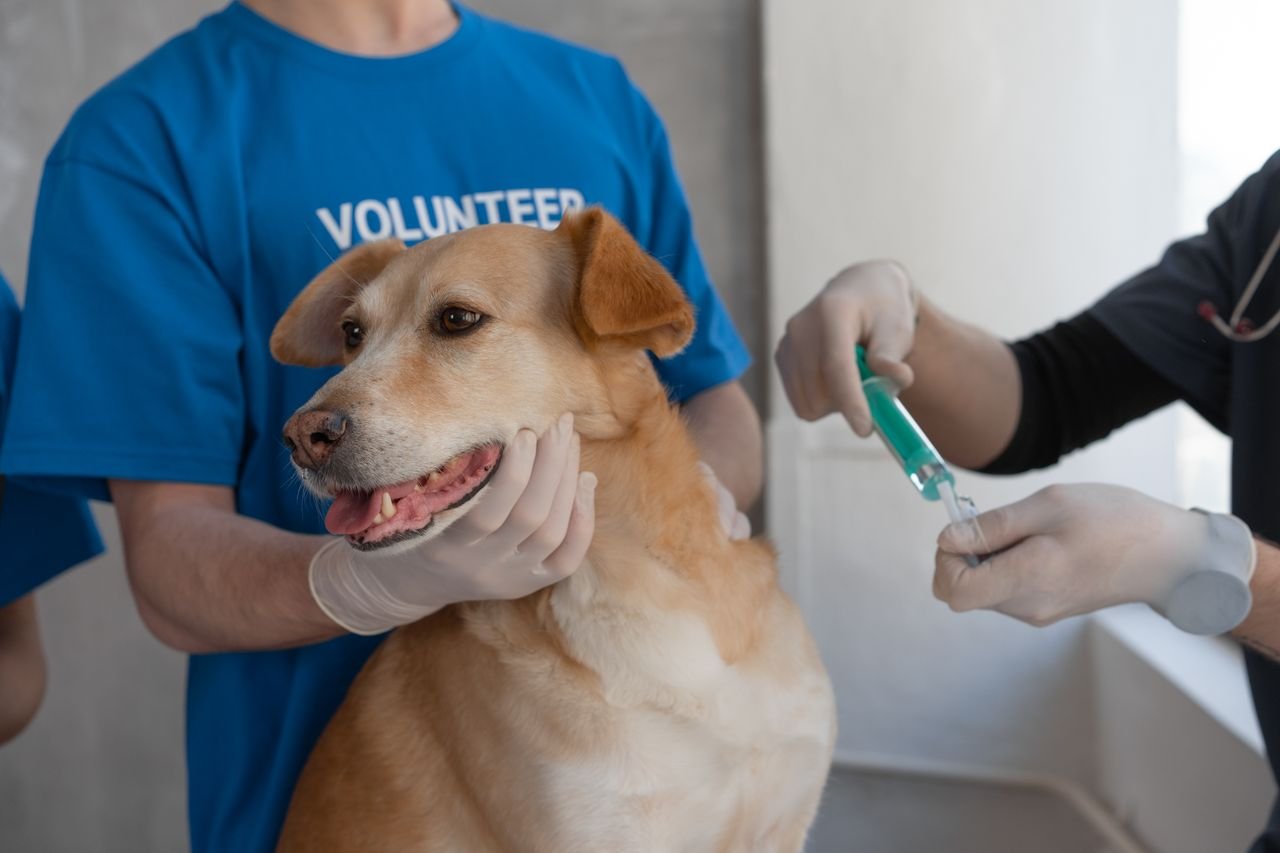
Vaccine visits are about more than the shots. Your vet will usually:
- Do a full physical exam: heart, lungs, eyes, ears, teeth, skin and weight
- Check a stool sample for parasites and give deworming medication if needed
- Start or continue flea, tick and heartworm prevention
- Talk about diet, house training, chewing and behavior
- Discuss spay/neuter timing and microchipping
Bring your questions written down. Puppy visits are a great time to ask about anything from biting to crate training. If you’re still building a routine, our puppy care guide lists what to cover in the first year.
Vaccines Are One Part of the Prevention Plan
Shots get most of the attention, but they’re only one piece of keeping your dog healthy. Around the same visits, your vet will usually talk about:
- Heartworm prevention, which is typically given monthly and is far easier than treating heartworm disease.
- Flea and tick control, especially important in areas with Lyme disease and other tick-borne infections.
- Deworming, since many puppies are born with or quickly pick up intestinal worms.
- Microchipping, a quick procedure that greatly improves the odds of getting a lost dog back. Remember to register the chip with your contact details.
- Dental care, starting with getting your puppy used to having their mouth handled.
Lining these up with your dog’s vaccine visits keeps everything in one routine and means fewer trips to the clinic overall.
Possible Side Effects
Most dogs handle vaccines with no trouble at all. Mild, short-lived reactions are fairly common and usually pass within a day or two:
- Sleepiness or seeming a bit “off”
- Mild soreness or a small lump at the injection site
- A slightly reduced appetite
- Sneezing for a few days after an intranasal Bordetella vaccine
Rarely, dogs can have an allergic reaction. Call your vet or an emergency clinic right away if you see facial swelling, hives, vomiting, diarrhea, trouble breathing or collapse, usually within minutes to hours after the shot. If your dog has reacted before, tell your vet; they may space out vaccines or pre-treat.
Titer Testing: An Option for Some Dogs
A titer test is a blood test that measures antibodies to certain diseases, most often distemper and parvovirus. For some adult dogs, a good titer result can support delaying a DAPP booster. It’s an option worth asking about, especially for dogs who’ve had vaccine reactions.
Keep in mind that titers don’t replace rabies vaccination where it’s required by law, and they’re not useful for every vaccine. Your vet can tell you whether it makes sense for your dog.
Senior Dogs and Vaccines
Older dogs still need protection. Their immune systems may weaken with age, and some diseases hit seniors harder. That said, vets often tailor the vaccination schedule more closely in the senior years, weighing lifestyle, health conditions and risk. A dog who rarely leaves the house may not need the same lifestyle vaccines as a busy daycare regular.
Senior visits are also a chance to check for arthritis, dental disease, kidney changes and lumps, so try not to skip them even if vaccines aren’t due.
Vaccines for Boarding, Daycare and Grooming
Most boarding kennels, daycares and many groomers require proof of vaccination. Common requirements include rabies, DAPP and Bordetella, and sometimes canine influenza. Check requirements a few weeks ahead, because some vaccines need two doses or a waiting period before they count.
If you groom at home, you might not need Bordetella for that reason alone. Our beginner’s dog grooming guide can help you get started.
Keeping Track of Your Dog’s Vaccination Schedule
A few simple habits make life easier:
- Take a photo of every vaccine certificate and keep it in a “Pet” album on your phone.
- Add reminders to your calendar for upcoming boosters.
- Ask your clinic whether they send email or text reminders.
- Keep paper copies in a folder with your dog’s adoption papers and microchip info.
Common Myths About the Vaccination Schedule
“One puppy shot is enough.”
It isn’t. Because maternal antibodies can block a vaccine, a single early dose may not protect your puppy at all. That’s why the puppy vaccination schedule includes a series, finishing at 16 weeks or older.
“My dog is fully protected the day of the last shot.”
Immunity takes a little time to build after the final dose, usually a week or two. Ask your vet when your puppy is considered protected before heading to busy dog areas.
“Adult dogs need every vaccine every year.”
Not necessarily. Many adult dogs follow a vaccination schedule where DAPP is given every three years, while some lifestyle vaccines, like leptospirosis, are yearly. Your vet will tailor it.
“Small dogs don’t need lifestyle vaccines.”
Size doesn’t change disease risk. A small dog who goes to daycare, visits groomers or walks through areas with wildlife may still benefit from Bordetella or leptospirosis.
“If my dog stays home, the vaccination schedule doesn’t matter.”
Even homebody dogs meet the world: vet visits, a door left open, a neighbor’s dog in the yard, shoes that carry parvovirus inside. Core vaccines still matter, and rabies is usually required by law.
Travel and Moving: Plan Ahead
If you’re traveling with your dog or moving to another state or country, check vaccine rules early. Some destinations require rabies vaccination a set number of days before arrival, a health certificate signed by an accredited vet, or extra paperwork. International moves can take months of preparation. Ask your vet to review your dog’s vaccination schedule well before your trip so nothing gets rushed at the last minute.
What About the Cost?
Vaccine prices vary a lot by region and clinic, and puppy visits often include exams, deworming and parasite prevention too. Many clinics offer puppy packages or wellness plans that spread the cost over the year. Some pet insurance companies also offer optional wellness add-ons that help with routine care, while standard accident and illness policies typically don’t cover vaccines. Our guide to pet insurance cost explains how wellness add-ons work.
Prevention is almost always cheaper than treatment. Parvovirus treatment, for example, often means several days in the hospital.
Quick Answers About the Dog Vaccination Schedule
When can my puppy go outside?
Your puppy can go in your own yard (if it hasn’t been used by unknown dogs) and be carried in public right away. Ask your vet when it’s safe to walk in public places, usually a week or two after the final puppy dose.
What if we missed a booster?
Call your vet. Depending on how late it is, they may simply give the booster now or restart part of the series.
Do indoor dogs need vaccines?
Yes, at least the core vaccines. Rabies is usually legally required, and diseases like parvovirus can be carried in on shoes.
Can my dog get several vaccines at once?
Often, yes. For small dogs or dogs with past reactions, vets may spread them out over separate visits.
The Bottom Line
A puppy vaccination schedule looks complicated at first, but the idea is simple: a series of shots early on, a booster around a year later, then regular boosters tailored to your dog’s lifestyle and local laws. Keep your records handy, set reminders, and ask your vet to explain anything that isn’t clear. A few short visits now can spare your dog from serious illness later, and they give your vet a chance to catch other small problems early, long before they turn into big ones. For more background on vaccine recommendations, the American Animal Hospital Association and the AVMA are reliable starting points.