How Often Should You Bathe a Dog – Grooming Schedule & Expert Tips
Bathing your dog is an essential part of pet care, but figuring out how often should you bathe a dog can be confusing for many pet owners. The truth is, the correct dog bathing frequency depends on several factors, including your dog’s breed, coat type, activity level, and any existing skin conditions. This comprehensive guide will walk you through everything you need to know about keeping your furry friend clean and comfortable.
Materials & Supplies
Before you start the bathing process, gather these essential items:
– Dog-specific shampoo (never use human shampoo)
– Conditioner (optional, but recommended for long-haired breeds)
– Several towels
– Non-slip mat for the tub or shower
– Detachable shower head or large cup for rinsing
– Brush appropriate for your dog’s coat type
– Cotton balls for ear protection
– Treats for positive reinforcement
– Dog-specific blow dryer (optional)
– Washcloth for face cleaning
– Dog toothbrush and toothpaste (for post-bath oral care)
Having everything within reach before you begin will make the process much smoother for both you and your dog.
Timing / Growing Schedule
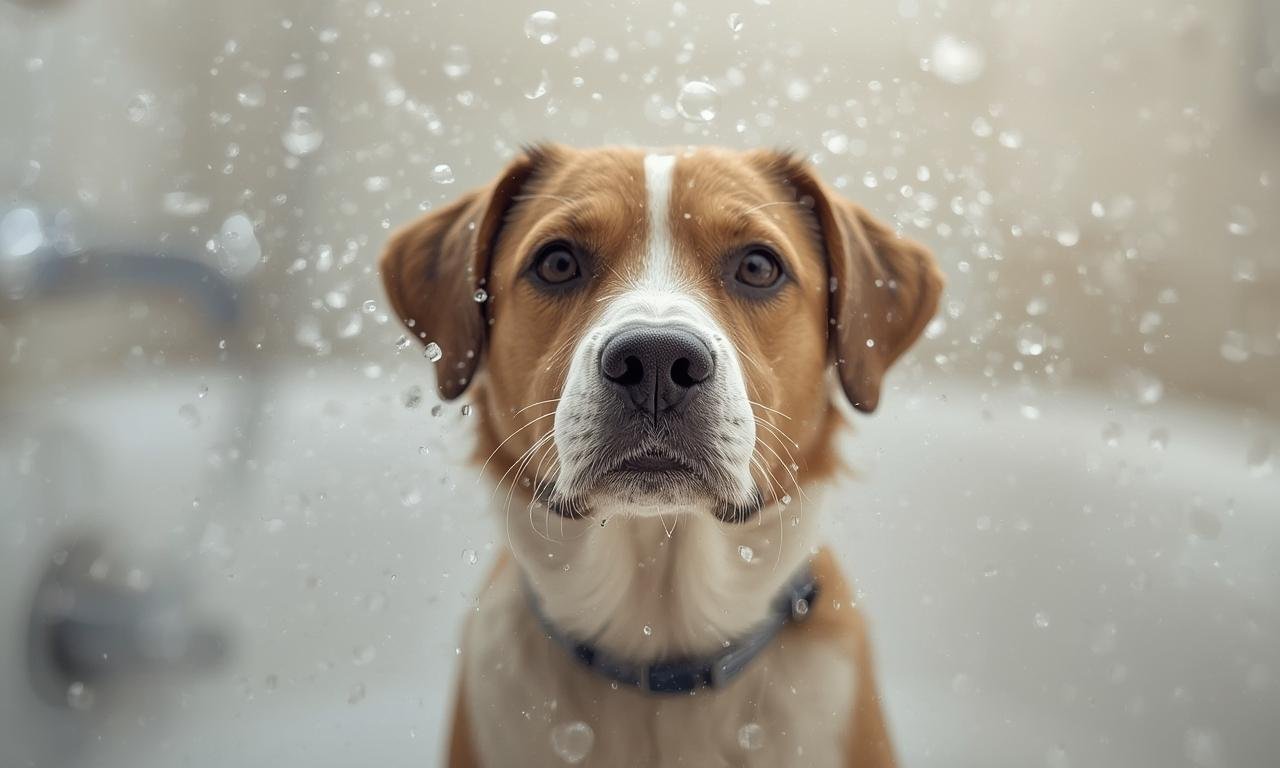
Understanding the proper timing for dog baths is crucial for maintaining healthy skin and coat. Here’s a general guideline:
– Short-haired, smooth-coated dogs (Beagles, Boxers): Every 4-6 weeks
– Medium-haired dogs (Border Collies, Australian Shepherds): Every 4-8 weeks
– Long-haired or double-coated breeds (Golden Retrievers, Huskies): Every 8-12 weeks
– Breeds prone to oily skin (Basset Hounds, Cocker Spaniels): Every 2-4 weeks
– Hairless breeds (Chinese Crested): Weekly
Remember that these are general guidelines. Active dogs who spend a lot of time outdoors may need more frequent baths, while indoor dogs might need fewer. The goal is to keep your dog clean without stripping essential oils from their skin.
Step-by-Step Instructions
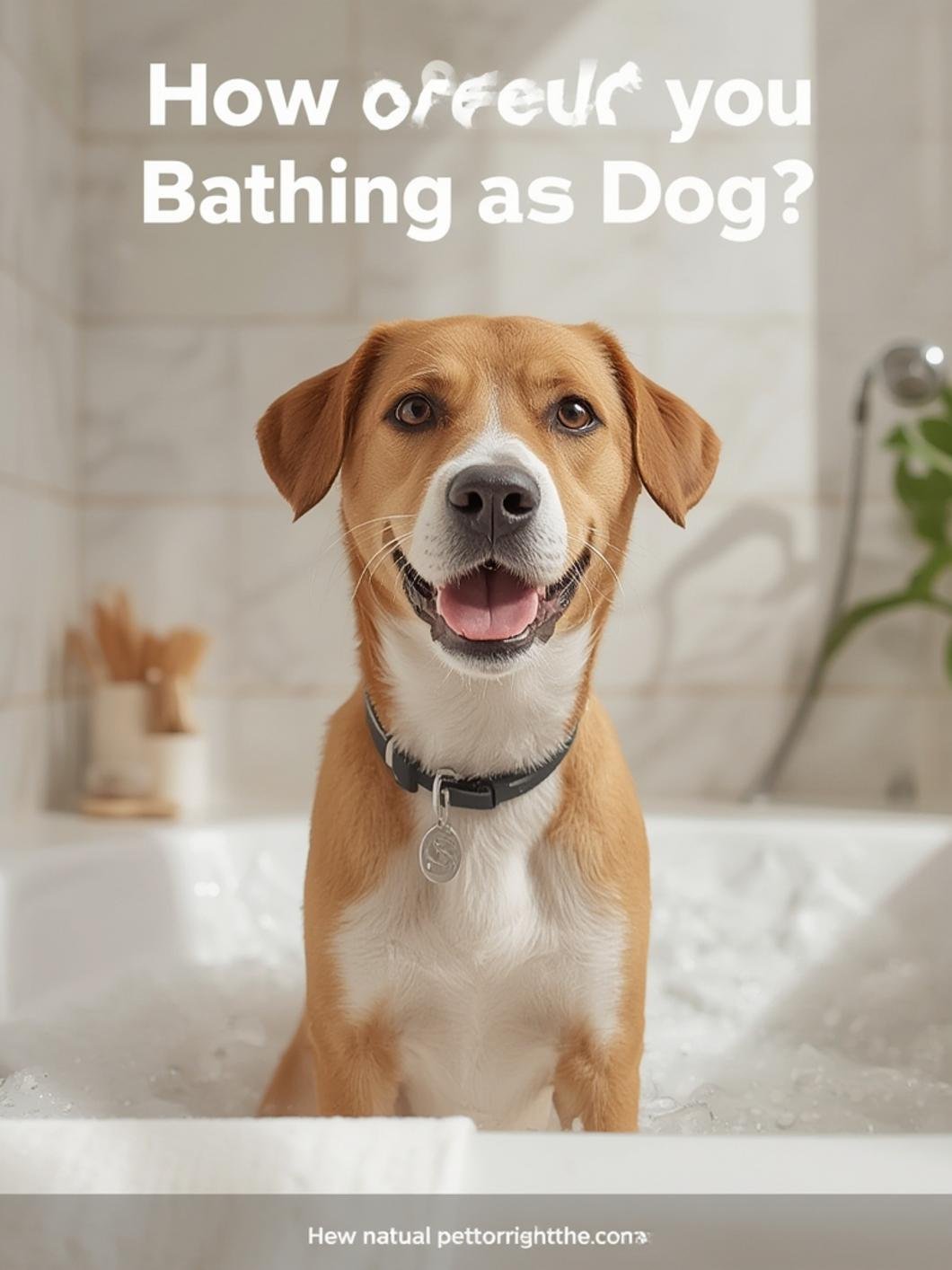
1. Brush Before Bathing: Remove tangles and loose fur before getting your dog wet.
2. Prepare the Bathing Area: Place a non-slip mat in the tub, gather all supplies, and ensure the water is lukewarm (not hot or cold).
3. Protect the Ears: Place cotton balls gently in your dog’s ears to prevent water from getting inside.
4. Wet Thoroughly: Starting from the neck and working down, completely wet your dog’s coat using a shower attachment or cup. Avoid spraying directly on the face.
5. Apply Shampoo: Use dog-specific shampoo and massage it into a lather. Understanding how often should you bathe a dog helps determine the type of shampoo needed—gentler formulas for frequent bathing, medicated options for less frequent dog bathing frequency.
6. Rinse Thoroughly: This is crucial—residual shampoo can irritate skin. Rinse until water runs clear.
7. Condition if Necessary: Apply conditioner for long-haired breeds, following product instructions.
8. Wash the Face: Use a damp washcloth without soap around the eyes and mouth.
9. Dry Properly: First towel dry, then use a dog-specific blow dryer on low heat if your dog tolerates it.
10. Reward: Offer treats and praise throughout the process to create positive associations.
Nutritional Benefits / Advantages
Regular bathing offers numerous benefits beyond just cleanliness:
– Removes allergens and irritants from coat
– Reduces shedding when combined with brushing
– Allows early detection of skin issues, lumps, or parasites
– Improves bond between dog and owner
– Reduces doggy odor in your home
– Helps distribute natural oils when proper products are used
– Can provide relief for dogs with certain skin conditions
– Reduces dander that can trigger human allergies
Tips, Alternative Methods
– For dogs who hate baths, try waterless shampoo or grooming wipes for quick cleanups.
– For anxious dogs, use a lick mat with peanut butter on the shower wall to distract them.
– Bath time is perfect for checking ears, teeth, nails, and skin for any issues.
– Consider professional grooming services for breeds with complex coat needs.
– Use a shower attachment with gentle pressure for more effective rinsing.
– For heavily soiled dogs, dilute the shampoo slightly for better distribution.
– Always praise calm behavior to reinforce positive bathing experiences.
Common Mistakes to Avoid
– Using human shampoo: The pH balance is wrong for dogs and can cause skin irritation.
– Bathing too frequently: Over-bathing strips natural oils and can lead to dry, itchy skin.
– Insufficient rinsing: Leftover shampoo residue can cause skin issues.
– Water too hot or cold: Always use lukewarm water to prevent stress or discomfort.
– Skipping the pre-bath brush: Bathing a matted coat can worsen tangles.
– Getting water in ears: This can lead to ear infections; always protect the ears.
– Frightening your dog: Rushing or using forceful methods can create bath anxiety.
Storage / Maintenance Tips
– Store all bathing supplies together in a waterproof container for easy access.
– Clean and disinfect bathing areas after each use to prevent mold or mildew.
– Regularly wash dog towels to prevent bacteria growth.
– Check shampoo expiration dates; most last 1-3 years once opened.
– Keep brushes clean by removing hair and washing occasionally.
– Maintain your dog’s coat between baths with regular brushing.
– Consider a handheld vacuum for quick cleanup of shed hair after brushing.
Conclusion
Bathing your dog is more than just a cleanliness routine—it’s an important bonding opportunity and health check. Understanding how often should you bathe a dog and the proper dog bathing frequency for your specific pet will help maintain their coat and skin health while strengthening your relationship. Remember that each dog is unique, so pay attention to your pet’s specific needs and adjust your bathing schedule accordingly. With the right approach, bath time can become an enjoyable experience for both you and your furry companion.
FAQs
Can I use human shampoo on my dog in an emergency?
No. Human shampoo has a different pH balance that can irritate your dog’s skin. In an emergency, plain water is better than human shampoo, or you can use a gentle baby shampoo once if absolutely necessary.
My dog hates baths. How can I make the experience less stressful?
Start slow with positive reinforcement, use treats liberally, try a lick mat with peanut butter, ensure the water temperature is comfortable, and consider using a quieter handheld sprayer instead of running water.
How do I bathe a puppy for the first time?
Use a puppy-specific shampoo, keep the bath short (5 minutes max), use a sink or small tub, maintain a calm voice, have treats ready, and thoroughly dry them afterward to prevent chills.
Should I bathe my dog before or after flea treatment?
Always bathe your dog before applying topical flea treatments, then wait 24-48 hours after the bath to apply the treatment. If using oral flea medication, timing doesn’t matter.
How do I bathe a dog with skin allergies or conditions?
Consult your veterinarian for a medicated shampoo recommendation, use lukewarm water, avoid over-bathing, rinse extremely thoroughly, and consider adding omega supplements to their diet for skin health.
List
Healthy Dog Treats for Training: Nutritious Snacks to Reward Your Pup

Best Cat Food for Senior Cats: Nourish Your Older Feline

Easy Homemade Dog Food Recipes: Delicious Meals Your Pup Will Love
Best Dog Food for Sensitive Stomachs: Top Picks for Digestion-Friendly Meals

Small Dog Breeds for Apartment Living