Easy Homemade Dog Food Recipes: Delicious Meals Your Pup Will Love
Growing your own vegetables specifically for canine consumption has become increasingly popular among pet parents who prioritize their dogs’ nutrition. Creating DIY Dog Food Recipes with homegrown produce ensures quality, freshness, and optimal nutrition for your furry friend. This comprehensive guide will walk you through the process of growing dog-friendly vegetables that are safe, nutritious, and perfect for incorporating into your homemade dog food recipes. Whether you have a spacious backyard or just a few containers on your patio, you can cultivate nutrient-rich vegetables that will enhance your pet’s meals and overall health.
Materials & Supplies
To start your dog-friendly vegetable garden, you’ll need:
– Garden space or containers (minimum 12 inches deep)
– High-quality organic potting soil
– Organic fertilizer safe for food crops
– Seeds or seedlings (dog-friendly vegetables like carrots, sweet potatoes, pumpkins, zucchini, green beans, spinach, peas)
– Garden tools (trowel, spade, pruning shears)
– Watering can or hose with spray nozzle
– Plant markers or labels
– Garden gloves
– Organic pest control solutions
– Compost bin (optional but recommended)
– Raised beds (optional, but helpful for accessibility)
– Harvest basket or container
Timing / Growing Schedule
Growing vegetables for your dog requires planning to ensure a continuous harvest. Here’s a general timeline:
Early Spring (4-6 weeks before last frost):
– Start cool-season crops indoors (spinach, kale, peas)
– Prepare garden beds or containers
Spring (after last frost):
– Transplant cool-season seedlings outdoors
– Direct sow carrots, radishes
– Start warm-season crops indoors (zucchini, pumpkin)
Early Summer:
– Transplant warm-season crops outdoors
– Begin harvesting early greens for immediate use in recipes
Summer:
– Maintain regular watering schedule (morning is best)
– Harvest green beans, zucchini, and summer squash
– Start planning fall garden crops
Fall:
– Harvest root vegetables (sweet potatoes, carrots)
– Harvest winter squash and pumpkins
– Plant cool-season crops for fall/winter harvest
Most leafy greens will be ready in 30-45 days, while root vegetables take 60-90 days. Squashes and pumpkins require 80-120 days to mature. Stagger plantings for continuous harvests throughout the growing season.
Step-by-Step Instructions
1. Select Your Location: Choose an area that receives at least 6-8 hours of sunlight daily. If using containers, ensure they have proper drainage.
2. Prepare Your Soil: Incorporate organic compost into your garden soil or use high-quality potting mix for containers. Test soil pH; most vegetables prefer slightly acidic to neutral soil (6.0-7.0).
3. Choose Dog-Friendly Vegetables: Select vegetables safe for dogs like carrots, sweet potatoes, green beans, peas, pumpkin, and zucchini. These are excellent ingredients for Homemade dog food recipes and provide essential nutrients.
4. Plant Correctly: Follow seed packet instructions for proper spacing and planting depth. Generally, plant seeds at a depth of 2-3 times their diameter.
5. Water Appropriately: Keep soil consistently moist but not waterlogged. Most vegetables need about 1-1.5 inches of water weekly.
6. Fertilize Naturally: Use organic fertilizers monthly or as directed. Avoid chemical fertilizers that could be harmful to your pet.
7. Control Pests Organically: Implement companion planting, introduce beneficial insects, or use pet-safe organic deterrents.
8. Harvest at Peak Nutrition: Pick vegetables when fully ripe but not overripe for maximum nutritional value in your DIY Dog Food Recipes.
Nutritional Benefits / Advantages
Growing your own vegetables for dog food provides numerous benefits:
– Higher vitamin and mineral content compared to store-bought produce
– No exposure to harmful pesticides or chemical fertilizers
– Reduced environmental impact from transportation and packaging
– Enhanced flavor that may entice picky eaters
– Cost savings, especially for larger dogs or multi-dog households
– Complete control over growing conditions and harvest timing
– Opportunity to grow specific vegetables tailored to your dog’s health needs
– Fresher ingredients with optimal enzyme content
– Therapeutic gardening benefits for both you and your dog
Tips, Alternative Methods
– Container Gardening: Use large pots (minimum 5 gallons) for growing vegetables in limited spaces.
– Vertical Gardening: Grow climbing vegetables like peas and beans on trellises to maximize space.
– Microgreens: Grow nutrient-dense microgreens indoors year-round for a constant supply of greens.
– Hydroponic Systems: Consider simple hydroponic setups for growing leafy greens without soil.
– Season Extension: Use cold frames or row covers to extend your growing season.
– Companion Planting: Plant marigolds and nasturtiums (both dog-safe) to naturally repel pests.
– Succession Planting: Sow new seeds every 2-3 weeks for continuous harvests.
Common Mistakes to Avoid
– Growing Toxic Plants: Avoid onions, garlic, grapes, and tomatoes, which are harmful to dogs.
– Over-fertilizing: Too much nitrogen can reduce vegetable quality and potentially harm your dog.
– Irregular Watering: Inconsistent moisture leads to stressed plants with fewer nutrients.
– Poor Air Circulation: Crowded plants invite disease and pests that could make vegetables unsafe.
– Harvesting Too Late: Overripe vegetables lose nutritional value and may develop molds.
– Using Chemical Controls: Even residual pesticides can be harmful to dogs.
– Ignoring Crop Rotation: Planting the same vegetables in the same spot depletes soil nutrients.
Storage / Maintenance Tips
– Clean harvested vegetables thoroughly to remove soil and potential contaminants.
– Store root vegetables in a cool, dark place or refrigerate in breathable bags.
– Blanch and freeze excess vegetables in portion sizes suitable for your dog’s meals.
– Dehydrate vegetables for longer shelf life and convenient meal additions.
– Consider fermenting certain vegetables to enhance digestibility and probiotic content.
– Label stored vegetables with harvest dates to ensure proper rotation.
– Regularly inspect stored vegetables and remove any showing signs of spoilage.
Conclusion
Growing vegetables specifically for your dog is a rewarding way to enhance their nutrition while connecting with nature. The effort invested in cultivating these fresh ingredients pays off in the health benefits your pet receives. By following this guide, you’ll be well-equipped to produce high-quality vegetables perfect for creating nutritious Homemade dog food recipes. Remember that balance is key in any DIY Dog Food Recipes, so combine your homegrown vegetables with appropriate protein sources and necessary supplements as advised by your veterinarian. Start small, learn from each growing season, and enjoy the satisfaction of feeding your beloved companion food you’ve grown with your own hands.
FAQs
How much garden space do I need to grow vegetables for my dog?
Even a 4×4 foot raised bed or several large containers can provide significant supplemental vegetables for a medium-sized dog. The exact space depends on your dog’s size and how much of their diet will come from homegrown vegetables.
Are there any vegetables I should avoid growing for dog food?
Yes, avoid growing onions, garlic, leeks, tomatoes, and potatoes (particularly green parts) as these can be toxic to dogs. Stick with dog-safe options like carrots, pumpkins, and green beans.
Do I need to cook all vegetables before adding them to dog food?
Most vegetables should be lightly cooked to break down cell walls and improve digestibility. However, some dogs enjoy and can digest finely grated raw carrots or zucchini in small amounts.
How do I balance my dog’s diet when using homegrown vegetables?
Vegetables should typically make up 10-30% of your dog’s diet. Partner with your veterinarian to ensure you’re creating balanced meals with appropriate protein, fat, and essential nutrients alongside your vegetables.
Can I grow herbs for my dog’s food too?
Yes! Dog-safe herbs like parsley, basil, and oregano can add flavor and nutritional benefits. Avoid toxic herbs such as chives and pennyroyal.
List

Healthy Dog Treats for Training: Nutritious Snacks to Reward Your Pup
Best Cat Food for Senior Cats: Nourish Your Older Feline
Easy Homemade Dog Food Recipes: Delicious Meals Your Pup Will Love
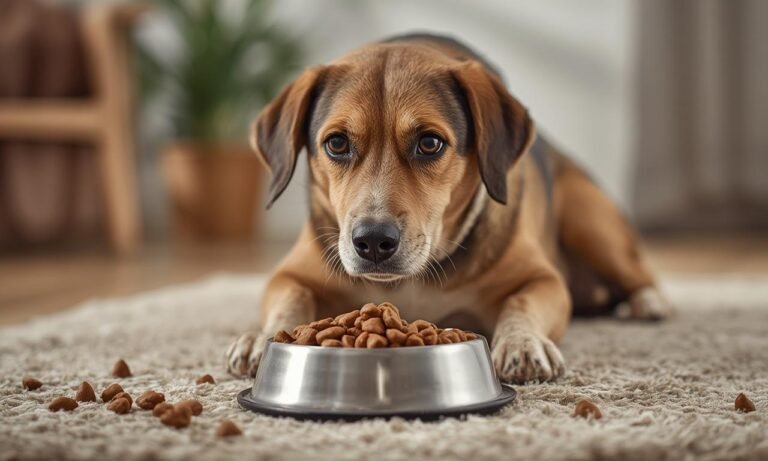
Best Dog Food for Sensitive Stomachs: Top Picks for Digestion-Friendly Meals

Small Dog Breeds for Apartment Living