
Best way to grow cat dental care 7 Tips
Table of Contents
The Cat Owner’s Guide to Healthy Teeth: Prevent Dental Disease & Create Pain-Free Smiles
Did you know 70% of cats show signs of dental disease by age 3? Yet most owners never notice until their pets stop eating or develop severe infections. Unlike dogs, cats often hide oral pain masterfully. This makes proactive cat dental care critically important – not just for fresh breath, but for preventing kidney disease, heart issues, and systemic inflammation linked to rotting teeth. Pairing veterinary cleanings with at-home strategies like cat dental treats and brushing can add years to your feline’s life. Let’s explore how to build an effective routine.
Materials & Supplies for Complete Feline Dental Care
- Finger toothbrushes or feline toothbrush: Soft-bristled options designed for cats
- Veterinary toothpaste: Never use human toothpaste (toxic to cats)
- Cat dental treats: VOHC-approved options like Greenies or Purina Dentalife
- Antimicrobial water additives (optional)
- Dental wipes for resistant cats
- Yearly veterinary oral exams
Timing / Dental Care Schedule

Ideal Lifespan of a Dental Routine: Start during kittenhood for easiest acclimation, but older cats can adapt with patience. Break training into 2-minute daily sessions. Adult cats need professional cleanings every 1-2 years under anesthesia (avg. cost: $300-$800). Daily brushing and cat dental care maintenance prevents 85% of periodontal issues long-term.
Step-by-Step Instructions for Home Dental Care
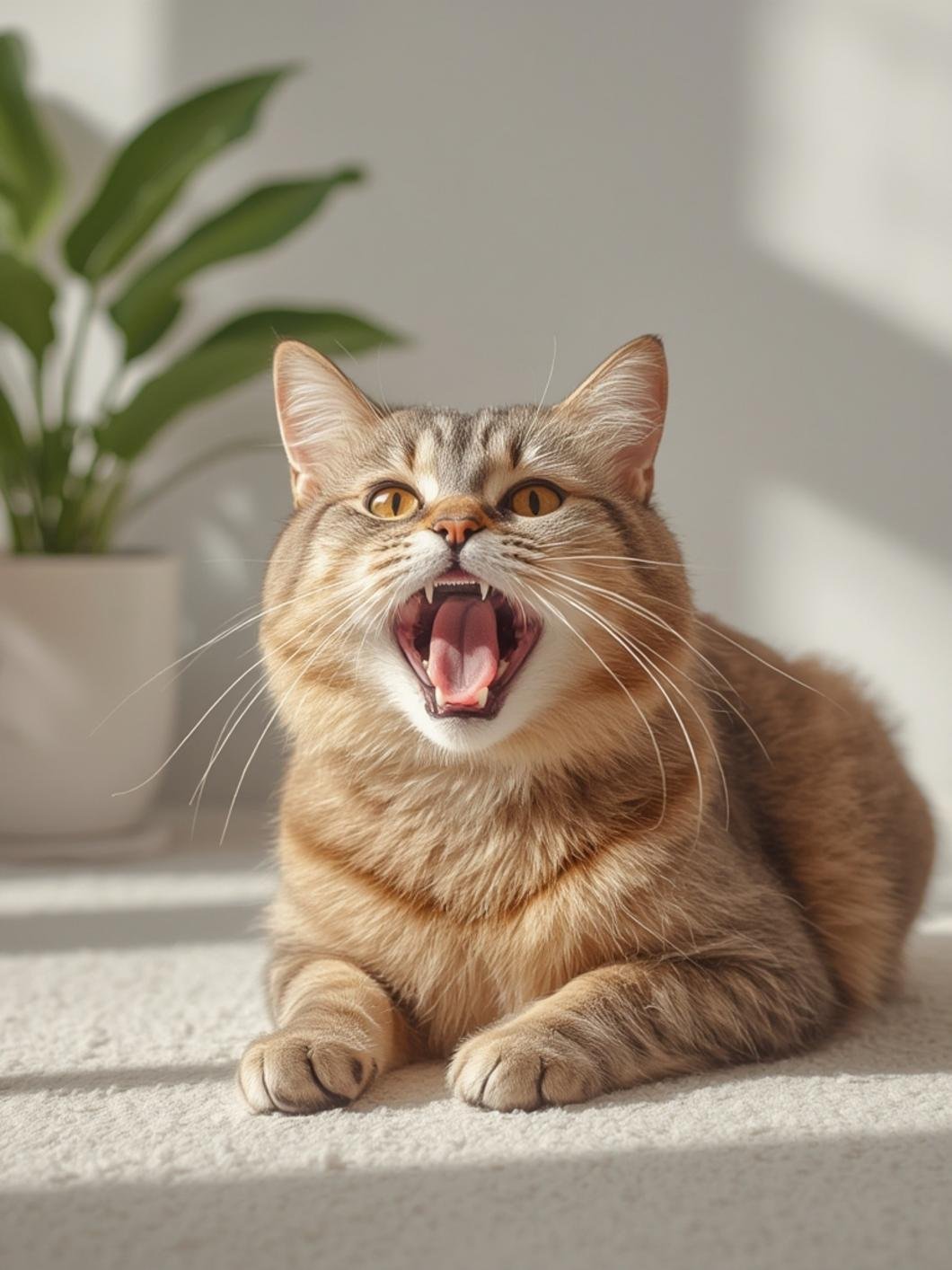
- Acclimate Your Cat: Rub cheeks/gums with tuna water for 1 week. Praise and reward.
- Introduce Brushing: Add vet toothpaste to brush. Focus on outer surfaces of upper teeth where plaque collects. Mention cat dental care consistency here.
- Supplement with Treats: Give VOHC-approved cat dental treats post-brushing to reduce tartar between sessions.
- Monitor for Warning Signs: Drooling, pawing at mouth, or foul odor need vet attention.
5 Life-Changing Benefits of Feline Dental Care
- Prevents tooth resorption (affects 60% of adult cats)
- Reduces risk of diabetes and kidney failure by 40%
- Eliminates pain-linked aggression or litter box avoidance
- Saves $2,000+ in emergency tooth extractions
- Extends lifespan by 2-5 years (AVMA studies)
Alternative Methods for Challenging Cats
Brushing-Resistant? Try These:
– Dental diets like Hill’s t/d (mechanically scrubs teeth)
– Silver vine sticks (natural chew alternative)
– Water additives like HealthyMouth™
– 10-minute play sessions to reduce stress before care attempts
3 Deadly Mistakes Cat Owners Make

- Delaying Vet Cleanings: Anesthesia-free “cleanings” miss 60% of disease under gums.
- Using Human Products: Xylitol and fluoride poison cats. ALWAYS use vet-supplied paste.
- Ignoring Subtle Signs: Slight appetite changes or less cheek rubbing often signal severe pain.
Maintenance & Storage
- Store toothpaste in fridge (extends flavor potency)
- Replace brushes every 3 months
- Keep dental treats sealed to preserve texture
- Schedule reminders for quarterly vet check-ins
Conclusion
Masterful cat dental care protects far more than teeth – it safeguards vital organs and quality of life. By combining daily brushing, veterinary cleanings, and plaque-fighting cat dental treats, you add years of pain-free cuddles. Share your success story below: How did dental care change your cat’s health?
FAQs
Q: How can I tell if my cat has dental pain?
A: Watch for reduced grooming, chewing on one side, or reluctance to eat hard food.
Q: Are anesthesia-free cleanings effective?
A: No – they clean only visible surfaces while dangerous disease hides beneath gums.
Q: My cat hates brushing. Alternatives?
A: Try CET enzymatic chews or Maxiguard gel rubbed on gums with gauze.
Q: When should kittens start dental care?
A: Begin handling mouths at 12 weeks. Start brushing when adult teeth erupt (6 months).
“`
List

Healthy Dog Treats for Training: Nutritious Snacks to Reward Your Pup

Best Cat Food for Senior Cats: Nourish Your Older Feline

Easy Homemade Dog Food Recipes: Delicious Meals Your Pup Will Love

Best Dog Food for Sensitive Stomachs: Top Picks for Digestion-Friendly Meals

Small Dog Breeds for Apartment Living